Just as I dove into the world of manufacturing, I discovered a wealth of insightful stories from industry leaders who faced seemingly insurmountable challenges. In this blog post, I will share how these remarkable individuals adapted, pivoted, and turned obstacles into opportunities, ultimately driving significant growth for their businesses. You will glean valuable lessons on resilience, innovation, and strategic thinking that can empower your own journey in the manufacturing sector.
The Landscape of Manufacturing Challenges
Before delving into the specifics of manufacturing challenges, it’s necessary to recognize that the industry today is navigating a complex environment. Factors such as economic fluctuations, regulatory pressures, and evolving consumer demands shape the landscape, prompting leaders to adapt and innovate. The challenges faced can create significant barriers but also opportunities for growth and transformation.
Supply Chain Disruptions
One of the most pressing challenges is supply chain disruptions, which can halt production and inflate costs. From raw material shortages to transportation delays, these issues require agile solutions. You may find that establishing diversified suppliers and implementing more robust logistics strategies can mitigate these risks.
Technological Advancements
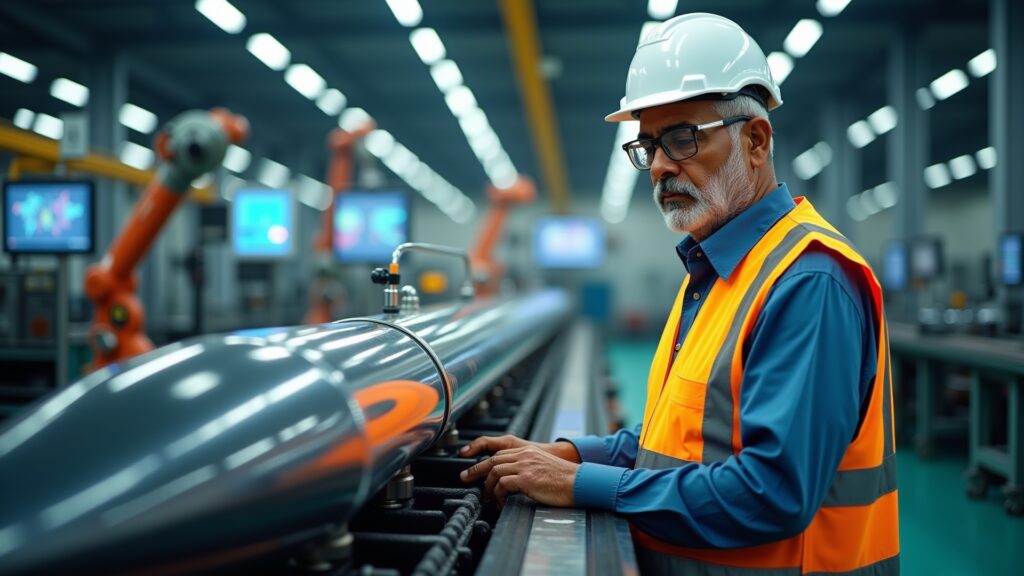
Advancements in technology present both challenges and opportunities for manufacturing leaders. I find that while integrating new systems can be daunting, leveraging automation and data analytics enhances operational efficiency and decision-making. It’s also vital to consider how cybersecurity threats can impact your digital landscape, necessitating a proactive approach to protect your assets.
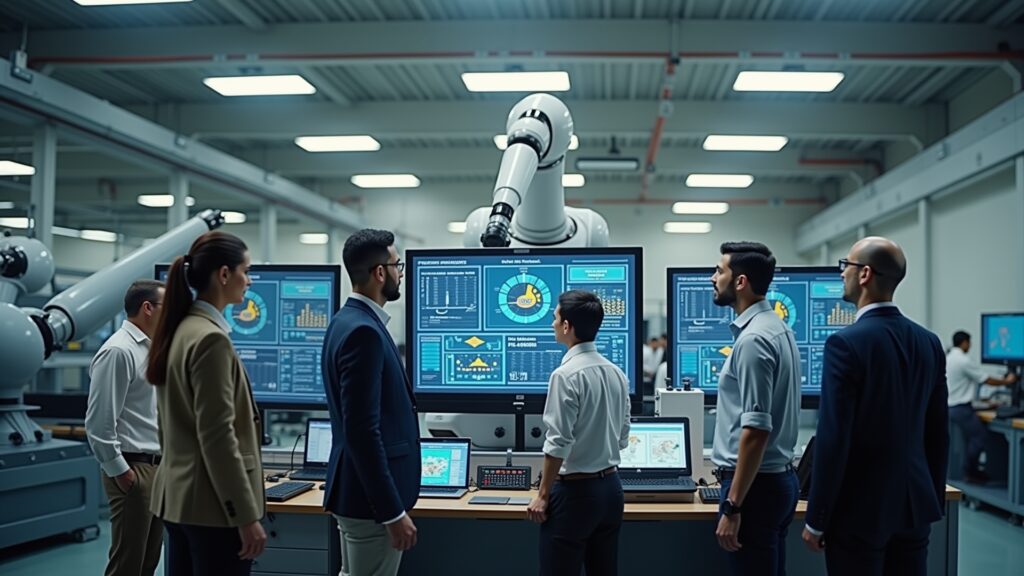
At the core of today’s manufacturing evolution, technological advancements are reshaping production processes and methodologies. You should consider embracing innovations like Industry 4.0 solutions, which integrate AI and IoT, allowing for greater customization and responsiveness. Moreover, staying ahead of cyber threats is increasingly vital as more systems become interconnected. By investing in training and research, you empower your workforce to utilize these technologies effectively, positioning your organization for sustainable growth amidst the shifting manufacturing landscape.
Case Studies: Manufacturing Leaders
One key to understanding the landscape of modern manufacturing is examining the journeys of influential manufacturing leaders. Here are a few compelling case studies that highlight their remarkable achievements:
- Leader One: Increased production efficiency by 25% within two years by implementing lean manufacturing techniques.
- Leader Two: Successfully navigated a global crisis, resulting in a 30% increase in market share.
- Leader Three: Achieved a 15% reduction in operational costs through innovative technology integration.
- Leader Four: Transformed workforce engagement to attain a 40% increase in employee satisfaction ratings.
Leader One: Innovative Solutions
Before venturing into his approach, this leader recognized the need for innovation at a fundamental level. By fostering an environment of creativity and collaboration, they embraced advanced technologies and methodologies to streamline operations and enhance productivity significantly.
Leader Two: Resilience in Crisis
After facing unprecedented challenges, this leader exemplified the power of resilience. By swiftly adapting strategies and focusing on core operations, they not only survived but thrived, propelling the organization to new heights.
Even during times of aggressive market fluctuations, this leader remained steadfast, emphasizing the importance of team cohesion and embracing innovative problem-solving. They initiated a robust communication plan, which provided clarity and support for employees, helping to mitigate fears and maintain morale. The result was a transformational journey where the company not only regained lost ground but also expanded, capturing a 30% increase in market share amid widespread uncertainty. This success story illustrates that with the right mindset and strategies, resilience can lead to significant growth.
Strategies for Overcoming Obstacles
Any manufacturing leader knows that challenges are part of the journey. To navigate these obstacles effectively, implementing strategic measures is imperative. Drawing from industry best practices and success stories, I have discovered that a combination of efficient processes, technology investment, and a strong team culture can significantly enhance resilience and foster growth in the manufacturing sector.
Lean Manufacturing Principles
Principles of lean manufacturing focus on maximizing value while minimizing waste. By streamlining processes and eliminating non-value-added activities, I can enhance productivity and improve operational efficiency. This approach not only reduces costs but also boosts employee morale as team members see their efforts directly contributing to organizational success.
Embracing Digital Transformation
For manufacturers today, embracing digital transformation is more than just a trend; it’s a necessity. Establishing a digital framework can enhance communication, optimize processes, and improve decision-making through data-driven insights.
With the rapid pace of technological evolution, integrating smart manufacturing technologies like IoT, AI, and automation can help you remain competitive. These tools allow for real-time data collection and analysis, enabling you to identify inefficiencies and adapt quickly. Moreover, a strong digital foundation enhances collaboration across departments, leading to stronger teamwork and faster problem resolution. The shift to digital can seem daunting, but with the right mindset and approach, it ultimately paves the way for sustainable growth and innovation in the manufacturing landscape.
The Role of Leadership in Growth
Your leadership approach directly influences your manufacturing organization’s ability to overcome challenges and achieve growth. By fostering a vision that aligns with the company’s goals, promoting effective communication, and encouraging collaboration, you can inspire your team to embrace change and actively participate in driving innovation. A strong leader not only set expectations but also empowers employees to take ownership of their roles, ultimately contributing to a culture of continuous improvement and success.
Cultivating a Growth Mindset
The cultivation of a growth mindset is crucial for leaders seeking to enable their teams to thrive amidst challenges. Encouraging your employees to view setbacks as opportunities for learning fosters resilience and adaptability within your organization. By celebrating small wins and promoting a culture of experimentation, you instill confidence in your team to take risks, innovate, and contribute to overall growth.
Building Agile Teams
Among the key strategies for driving growth is the ability to build agile teams capable of responding swiftly to changing market demands. This involves nurturing a culture that embraces flexibility, collaboration, and open communication.
Further, to build agile teams, I focus on creating a collaborative environment where members can share ideas freely and adapt to shifts in priorities. This means investing in cross-functional training, allowing team members to develop diverse skills and support one another effectively. The more your teams can pivot and adjust strategies, the more resilient they become in the face of challenges. Additionally, empowering team members to make decisions autonomously fosters a sense of ownership that can spark innovation and drive growth. The emphasis on agility not only enhances operational efficiency but also positions your organization to seize emerging opportunities in the ever-evolving manufacturing landscape.
Lessons Learned from Success Stories
After analyzing various success stories in the manufacturing industry, I found that innovation, adaptability, and strong leadership are often at the core of their achievements. These leaders encountered numerous challenges, yet they emerged stronger by leveraging their experiences, fostering a culture of collaboration, and investing in technology and staff development. Their journeys exemplify the importance of resilience and strategic planning in overcoming obstacles to drive growth.
Key Takeaways for Future Growth
An effective approach to future growth lies in embracing change and understanding market dynamics. I’ve observed that leaders who prioritize continuous improvement and stay informed about emerging trends often position themselves ahead of competitors. Establishing strong partnerships and investing in workforce skills are vital strategies that you should consider for sustainable success.
Common Pitfalls to Avoid
Success in manufacturing can be hindered by several pitfalls that you should actively avoid.
To steer clear of setbacks, I recommend being wary of a lack of flexibility in your operations, as rigid structures can stifle innovation. Another significant issue is underestimating the value of communication among teams; poor dialogue often leads to misalignment and missed opportunities. Furthermore, neglecting employee engagement can diminish morale, resulting in high turnover rates. By focusing on these aspects, you can create a more effective and resilient manufacturing organization.
Industry Trends Shaping the Future
Many innovative trends are emerging in the manufacturing sector, driving change and inspiring growth. With a focus on technology, sustainability, and efficiency, these trends pave the way for manufacturers to adapt and thrive in an ever-evolving landscape. By staying aware of these trends, you can better position your business for future success.
Sustainability in Manufacturing
Besides enhancing efficiency, sustainability in manufacturing has become a vital component for success. Many companies are now adopting eco-friendly practices to reduce their carbon footprint, which not only appeals to environmentally conscious consumers but also can lead to cost savings in the long run.
The Impact of Automation
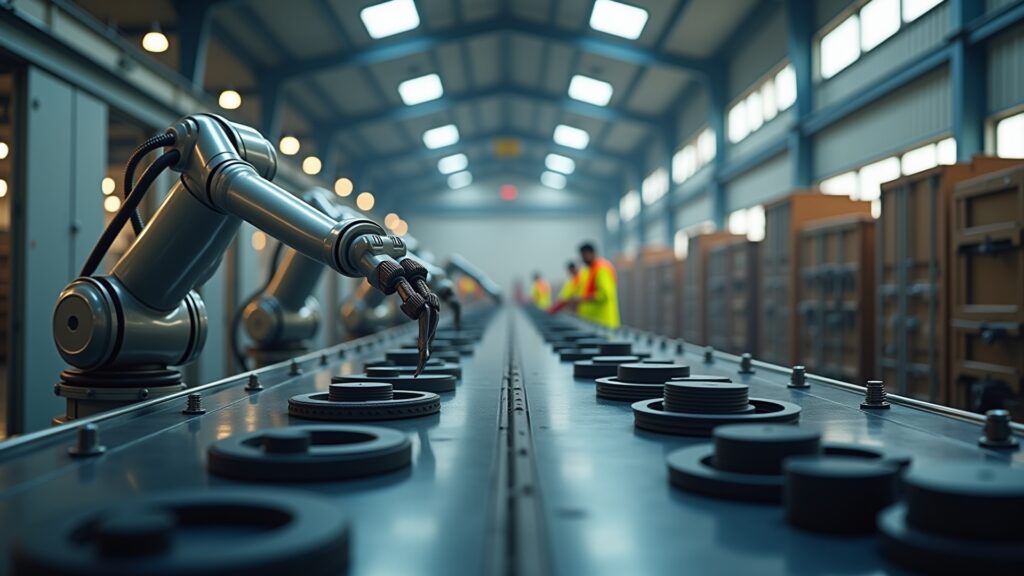
One of the most significant changes in the manufacturing landscape today is the impact of automation. As I explore how automation technologies can streamline processes, improve accuracy, and increase productivity, I realize that they are reshaping how you operate and compete in your industry.
At the forefront of this transformation, automation technologies empower manufacturing facilities by enhancing production lines and reducing human error. By implementing smart factories equipped with robotics and AI-driven systems, you can achieve superior efficiency and scalability. However, it is vital to address the potential challenges, including workforce displacement and the need for upskilling employees for more technical roles. Embracing this trend not only positions your business for long-term growth but also allows you to innovate continuously.
FAQ
Q: What are some common challenges faced by manufacturing leaders in the industry?
A: Manufacturing leaders often face a variety of challenges, including supply chain disruptions, skilled labor shortages, technological advancements, and fluctuating market demands. These obstacles can impact production efficiency and overall business growth. Many leaders have had to adapt their strategies to ensure that their operations remain resilient and competitive, often by investing in technology, retraining their workforce, or diversifying their supply chains.
Q: How have successful manufacturing leaders managed to grow their businesses despite these challenges?
A: Successful manufacturing leaders have employed several strategies to achieve growth. For instance, many have embraced automation and advanced manufacturing technologies to improve efficiency and reduce costs. Others have focused on building strong relationships with suppliers and customers to create a more stable supply chain. Furthermore, leaders have invested in employee development to enhance skills and foster a culture of innovation within their organizations, enabling them to respond quickly to market changes.
Q: Can you share an example of a manufacturing company that successfully overcame significant challenges?
A: One example is a mid-sized automotive parts manufacturer that faced severe supply chain disruptions due to global events. To overcome this, the company adopted a dual-sourcing strategy, allowing it to source materials from multiple suppliers rather than relying on a single source. This approach not only improved supply chain resilience but also led to negotiations for better pricing due to increased competition among suppliers. As a result, the company was able to grow its market share and maintain competitiveness in the automotive industry.