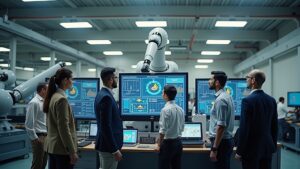
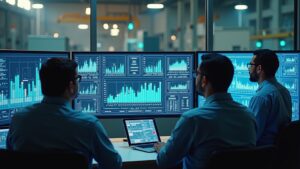
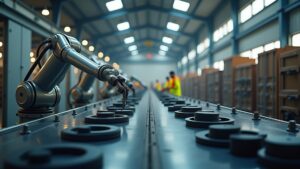
Over the past few years, I have witnessed firsthand how innovative technologies are reshaping the landscape of modern manufacturing. From automation and artificial intelligence to smart factories and data analytics, these advancements are not only enhancing efficiency but also driving sustainability. It’s imperative that you stay informed about these trends, as they can significantly impact your business operations and competitiveness in the industry. Join me as I explore the key developments that are redefining manufacturing today.
The Role of Automation in Manufacturing
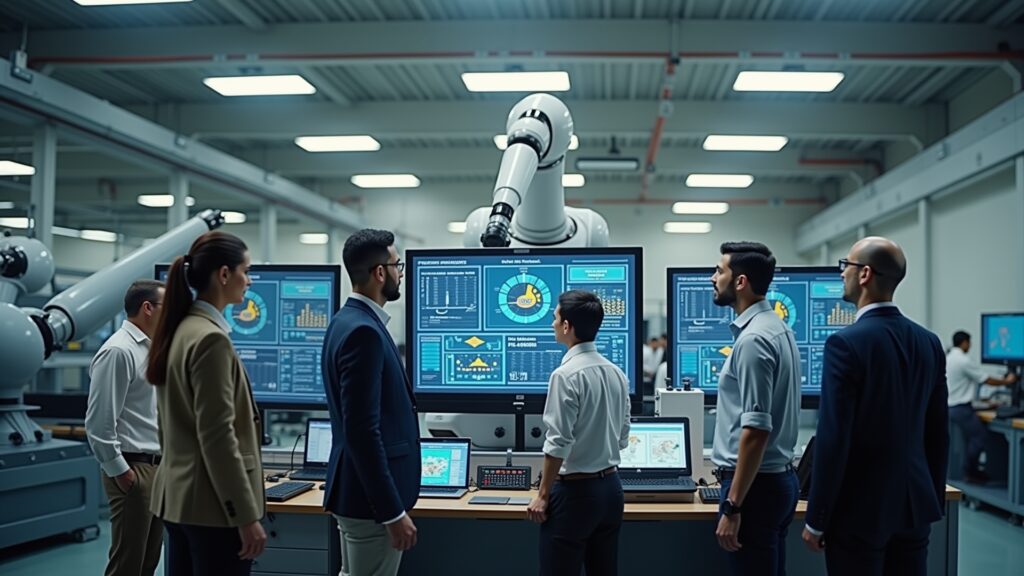
Your understanding of modern manufacturing would be incomplete without acknowledging the transformational impact of automation. This integration of technology not only increases production speeds but also enhances precision and reduces human error. As a result, manufacturing operations can improve overall productivity and lower operational costs, allowing businesses to remain competitive in this fast-paced environment.
Types of Automation Technologies
Your facility may benefit from various automation technologies that enhance operational efficiency:
- Robotics
- Programmable Logic Controllers (PLCs)
- Industrial Internet of Things (IIoT)
- Artificial Intelligence (AI)
- Automated Guided Vehicles (AGVs)
Any of these technologies can significantly improve workflow and output in manufacturing settings.
| Technology Type |
Description |
| Robotics |
Automated machines performing repetitive tasks. |
| PLCs |
Control systems for machinery through programmable logic. |
| IIoT |
Connectivity between machines via the Internet. |
| AI |
Mimicking human intelligence for decision-making. |
| AGVs |
Mobile robots for transporting goods. |
Benefits of Automation for Efficiency
Manufacturing processes greatly benefit from automation, resulting in decreased lead times and increased production quality. By employing automated systems, you gain significant control over your operations, allowing for real-time monitoring of processes, enhanced quality inspection, and reduced downtime. This can lead to increased labor productivity and minimized waste.
For instance, when I implemented automation in my facility, I saw a remarkable decrease in errors and defects, translating directly into enhanced customer satisfaction and loyalty. The integration of automated systems not only improved operational speed but also allowed us to allocate sensitive tasks to skilled workers who could focus on quality rather than repetitive tasks. Additionally, employing automation mitigates the risk of workplace injuries associated with manual handling. Thus, the overall productivity and profitability of the business will inevitably improve.
The Impact of IoT on Manufacturing Processes
Assuming you’ve been following the evolving landscape of modern manufacturing, you’ll notice that the Internet of Things (IoT) is playing a significant role in revolutionizing manufacturing processes. By connecting machines, tools, and devices, IoT facilitates seamless communication and data exchange. This not only enhances operational efficiency but also boosts productivity and fosters innovation across the supply chain.
Enhanced Data Collection and Analysis
Enhanced data collection and analysis enable you to obtain real-time insights from various manufacturing processes. IoT devices gather vast amounts of data, which are then analyzed to identify trends, forecast demands, and optimize resource allocation. This streamlining of data allows for informed decision-making and significantly reduces operational bottlenecks.
Real-Time Monitoring and Predictive Maintenance
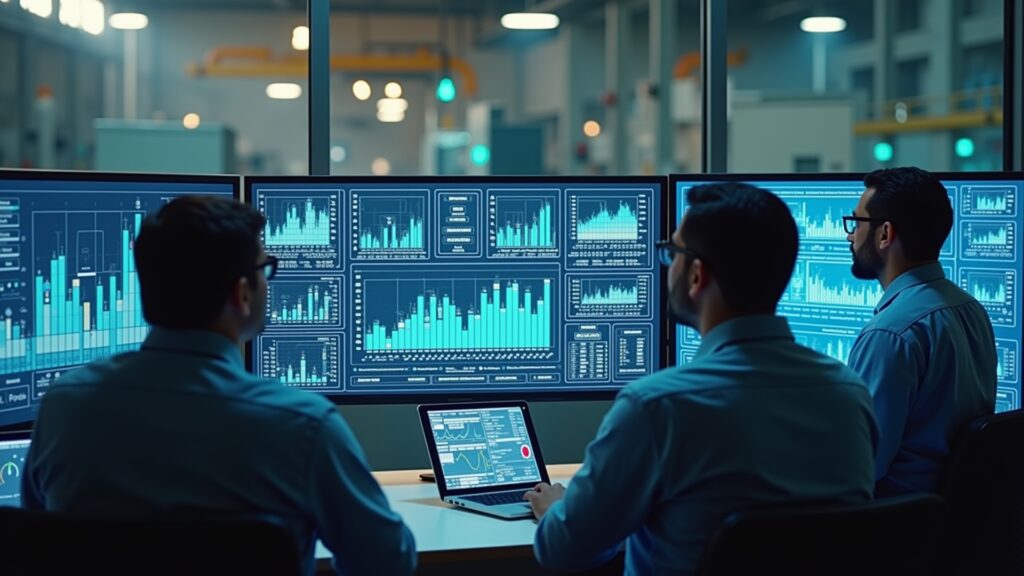
Against the backdrop of unpredictable machinery failures, real-time monitoring combined with predictive maintenance strategies can dramatically improve operational efficiency. By utilizing IoT sensors, you can continuously analyze equipment performance, enabling you to anticipate failures before they happen. This proactive approach not only minimizes downtime but also extends the lifespan of your machinery, ultimately leading to significant cost savings.
Due to the capability for real-time monitoring, you can pinpoint specific issues within your equipment and ensure they are addressed promptly. By collecting data continuously, I can analyze trends and predict when maintenance will be required, thus shifting towards a maintenance strategy that is more efficient and less disruptive. This means that scheduled downtime is no longer necessary, allowing for much better resource allocation and increased overall productivity. In today’s competitive landscape, implementing such advanced strategies can give you a significant advantage in maintaining operational excellence.
Advances in Robotics and AI Integration
The integration of robotics and artificial intelligence (AI) is revolutionizing modern manufacturing, making processes faster, more efficient, and flexible. With advanced robotics taking on repetitive and hazardous tasks, human workers are freed up to focus on more creative and strategic roles. AI systems are enhancing productivity by providing real-time data analysis, predicting maintenance needs, and optimizing supply chains. Manufacturers who adopt these technologies stand to gain a significant competitive advantage in an increasingly complex market.
Collaborative Robots (Cobots)
About collaborative robots, or cobots, these innovative machines are designed to work alongside humans in a shared workspace. They enhance productivity by taking on repetitive tasks, allowing human workers to focus on higher-level duties. With advanced sensors and user-friendly interfaces, cobots can safely perform various operations, increasing overall efficiency while minimizing workplace injuries.
AI-Driven Decision Making
After integrating AI into manufacturing processes, data analytics becomes a game changer. AI systems can analyze vast amounts of data in real time, allowing for informed decision-making. This leads to improved resource allocation, enhanced production schedules, and even predictive maintenance that saves costs and reduces downtime.
And leveraging AI-driven decision-making means you’re not just reacting to problems but proactively shaping your manufacturing strategy. By utilizing predictive analytics, you can anticipate equipment failures before they occur, resulting in reduced downtime and extended machinery life. This data-driven approach also ensures that resources are allocated efficiently, which can lead to substantial cost savings and improved operational functionality. Furthermore, AI can enhance overall quality control, ensuring fewer defects and better alignment with customer expectations. This transition to an AI-centric approach is paving the way for smarter, more responsive manufacturing practices.
The Shift Towards Sustainable Manufacturing
Despite advancements in efficiency and cost savings, the manufacturing industry is increasingly gravitating towards sustainable practices. This shift reflects a growing recognition of the environmental impacts associated with traditional manufacturing methods. As consumers demand more responsible production, manufacturers are innovating to reduce waste, energy consumption, and their overall ecological footprint. By embracing sustainable manufacturing, I find that companies not only attract environmentally conscious consumers but also position themselves favorably in a competitive market.
Green Technologies and Practices
Beside the traditional approaches, integrating green technologies and sustainable practices has become imperative for modern manufacturers. This involves utilizing renewable energy sources, reducing emissions, and implementing eco-friendly materials in the production process. By adopting these measures, I can significantly lower operational costs and foster a positive brand image that resonates with today’s eco-aware consumers.
Circular Economy in Manufacturing
The circular economy model is redefining how I view production, consumption, and waste. Instead of following a linear path where products are made, used, and discarded, a circular approach emphasizes reusability and recyclability. This shift not only conserves resources but also minimizes the environmental burden of manufacturing operations, creating a positive impact on both profit and planet.
But, embracing the circular economy isn’t without its challenges. It requires a fundamental change in my manufacturing processes, supply chain management, and design strategies. However, the benefits are worth the effort: enhancing resource efficiency, reducing production costs, and achieving long-term sustainability. By focusing on recycling and reusing materials, I’ve found that businesses can create a positive feedback loop, reducing waste and promoting a more sustainable future. This not only protects our planet but also opens doors to phenomenal revenue opportunities by tapping into the growing market of eco-conscious consumers.
The Importance of Cybersecurity in Smart Manufacturing
After the integration of advanced technologies in modern manufacturing, the significance of cybersecurity has never been greater. As organizations employ IoT devices and interconnected systems, they become vulnerable to potential cyber threats that can disrupt operations and compromise sensitive data. Ensuring robust cybersecurity measures not only protects your assets but also fosters trust with partners and clients in an increasingly connected environment.
Threats to Manufacturing Systems
Beside the usual risks of data breaches and malware, manufacturing systems face unique challenges. Ransomware attacks can halt production, while unauthorized access to intellectual property can jeopardize competitive advantage. Moreover, the complexity of smart manufacturing systems creates opportunities for cybercriminals to exploit vulnerabilities, putting your enterprise at risk.
Best Practices for Cyber Defense
The implementation of strong cybersecurity measures is vital for safeguarding manufacturing operations. Regularly updating your software, using multifactor authentication, and conducting frequent security audits can significantly reduce vulnerabilities. Training employees on recognizing phishing attempts and ensuring that they follow security protocols further supports your defense strategy.
Cybersecurity is an ongoing process that requires your constant attention and adaptation. Prioritizing a culture of security within your organization is key; encourage ongoing training so that your team is well-versed in identifying threats. Additionally, having a response plan in place ensures that you can act swiftly in the event of a breach. Investing in state-of-the-art security solutions tailored to your manufacturing environment can further enhance your defense, protecting not just your operations, but also your reputation in the market.
Workforce Development in the Era of Technology
Now, as technology continues to reshape the manufacturing landscape, workforce development has become an vital focus. In this rapidly evolving environment, employers must prioritize upskilling their teams to keep pace with new innovations and increase productivity. As I navigate this transformation, I see that organizations that invest in their workforce are better positioned to adapt and thrive in a competitive market.
Skills Gap and Training Needs
Needs arise regarding the talent not only to operate advanced machinery but also to analyze data and drive process improvements. Employers must recognize the gaps that exist and take proactive steps to implement comprehensive training programs. Addressing these needs ensures your team is equipped with the right skills to leverage the latest technologies effectively.
The Role of Education and Industry Partnerships
Any successful strategy to bridge the skills gap involves strong collaborations between education providers and industries. These partnerships can create a symbiotic relationship where educational institutions understand the specific needs of employers, and companies gain access to a skilled talent pool. This collaboration fosters a tailored learning environment that benefits both parties.
Further, by fostering strong connections between educational institutions and industry partners, we can promote a workforce that is adaptable to change. Through internships, apprenticeships, and real-world projects, students gain firsthand experience and develop the practical skills needed in modern manufacturing. These mutually beneficial relationships not only equip new entrants with valuable skills but also ensure that your organization has access to a workforce ready to tackle emerging challenges in the sector.
Summing up
Drawing together the insights from recent industry trends, I see that technology is fundamentally reshaping modern manufacturing. By embracing automation, data analytics, and advanced materials, you can enhance productivity and streamline operations like never before. Your ability to adapt to these technological advancements will not only improve efficiency but also position your business competitively in a rapidly evolving marketplace. As we move forward, staying informed about these changes will empower you to make strategic decisions that drive success in the manufacturing sector.
FAQ
Q: What are the key technologies currently shaping modern manufacturing?
A: Several technologies are playing a significant role in transforming modern manufacturing, including artificial intelligence (AI), the Internet of Things (IoT), additive manufacturing (3D printing), automation, and robotics. AI enhances decision-making and predictive maintenance, while IoT devices enable real-time monitoring and data analytics. Additive manufacturing allows for rapid prototyping and the creation of complex parts, whereas automation and robotics streamline repetitive tasks, improve precision, and increase overall efficiency in the production processes.
Q: How do Industry 4.0 technologies integrate into existing manufacturing systems?
A: Industry 4.0 technologies integrate into existing manufacturing systems through a combination of software and hardware solutions. Manufacturers can adopt modular systems that complement their current infrastructure rather than replacing it entirely. For instance, integrating IoT sensors into machines enables data collection and analysis without necessitating a complete overhaul of production lines. Additionally, legacy systems can be enhanced with cloud computing and edge computing capabilities, allowing for greater connectivity and real-time data sharing across the facility, ultimately leading to smarter, more efficient operations.
Q: What impact does technology have on the workforce in manufacturing?
A: The impact of technology on the manufacturing workforce is multifaceted. While there is concern about job displacement due to automation and robotics, technology also creates new roles that require advanced skills in areas such as data analysis, programming, and machine maintenance. Upskilling and reskilling initiatives become vital as companies adapt to these technological changes, ensuring that workers are equipped to handle new tools and processes. Additionally, technology can improve workplace safety and productivity, as repetitive and hazardous tasks can be delegated to machines, allowing human workers to focus on more complex and strategic functions.