Exports play a vital role in shaping the landscape of manufacturing and international markets. As I explore the transition from local to global trade, I invite you to consider how your products can reach broader horizons. The positive impact of exports includes increased revenue, job creation, and vital access to new technologies. However, the challenges such as market volatility and trade barriers can pose significant risks to manufacturers. Understanding these dynamics is key for anyone looking to thrive in today’s interconnected economy.
The Role of Exports in Manufacturing
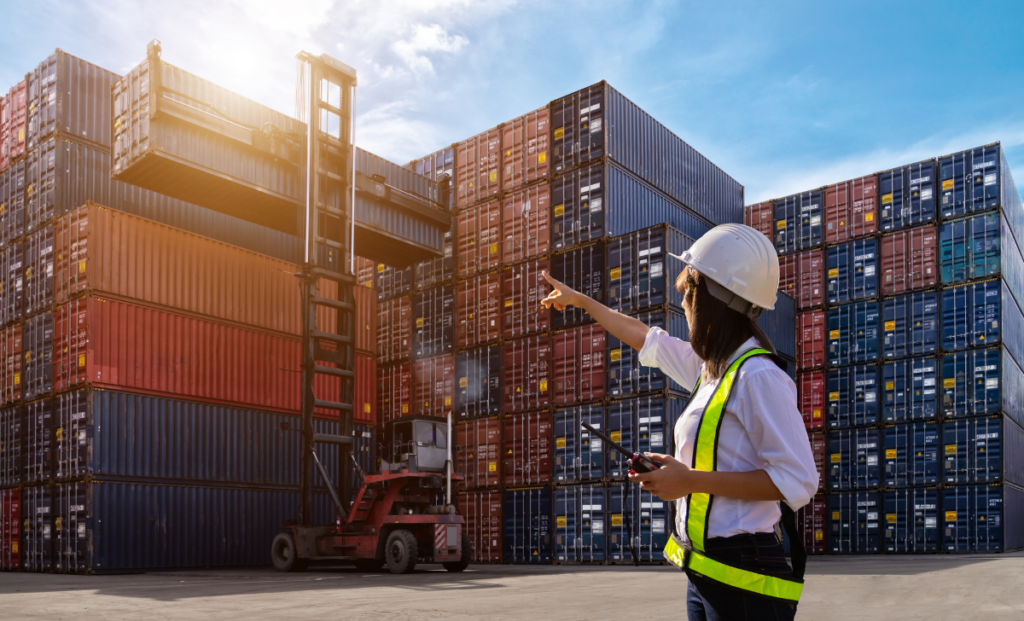
The role of exports in manufacturing cannot be understated. They serve as a driving force for growth, allowing manufacturers to expand their reach beyond local borders and tap into international markets. By exporting goods, companies not only increase their revenue potential but also diversify their market presence, reducing dependency on domestic sales. This strategic approach enables manufacturers to boost production, innovation, and job creation within their local communities.
Economic Growth through Exports
About the importance of exports is that they contribute significantly to economic growth. When companies enter international markets, they experience enhanced sales, which leads to increased production capacities. This, in turn, stimulates job creation and contributes to a healthier economy. Export activities can lead to higher wages and improved living standards, thereby benefiting communities as a whole.
Enhancing Competitiveness in Global Markets
By entering the global market, manufacturers enhance their competitiveness, allowing them to innovate and improve their offerings. The exposure to international standards and consumer preferences pushes businesses to adopt new technologies and practices, fostering a culture of continuous improvement. This drive for excellence not only helps strengthen your business but also contributes positively to the overall economy by maintaining sustainable growth.
Also, being competitive in global markets requires adaptability and an understanding of diverse consumer needs. Manufacturers must invest in research and development to innovate and stay ahead of trends, ensuring they meet international quality standards. Furthermore, collaboration with local suppliers can enhance efficiency and reduce costs, positioning your business as a formidable player on the world stage. Ultimately, embracing exports can lead not only to expanded markets but also to a stronger competitive edge in an increasingly interconnected world.
Trends in Global Manufacturing
If you’re closely observing the manufacturing landscape, you’ll note significant trends reshaping the industry. Over the past few years, globalization has accelerated, influencing how and where goods are produced. Advancements in technology, shifting consumer demands, and geopolitical factors all play a role in this ongoing transformation.
Shifts in Production Locations
For many companies, the shift in production locations has become a key strategy. Businesses are gradually moving their manufacturing bases closer to consumer markets, optimizing logistics and reducing costs. This trend allows for greater flexibility and responsiveness in meeting customer demands.
The Rise of Emerging Markets
For organizations looking to tap into new opportunities, emerging markets offer a wealth of potential. These regions are not only experiencing rapid economic growth but are also becoming centers for manufacturing due to lower labor costs and increasing foreign investments. However, navigating these markets requires attention to political stability and infrastructure challenges, ensuring a thorough understanding of their dynamics.
Understanding the rise of emerging markets reveals both opportunities and challenges. As your business explores these regions, you’ll encounter a diverse landscape filled with skilled labor forces and innovative industries, which can boost your manufacturing capabilities. However, you must also be wary of regulatory hurdles and the potential for market volatility. Establishing strong local partnerships and conducting thorough market research will prove important for your success in these evolving markets.
Export Strategies for Manufacturers
Any manufacturer aiming to expand beyond domestic markets must develop effective export strategies. This includes identifying target markets, conducting competitive analysis, and adapting products to meet international standards. By recognizing the unique preferences and regulations of foreign markets, you can create a tailored approach that maximizes your chances of success, ultimately enhancing your brand’s global presence.
Market Research and Entry Tactics
The foundation of a successful export strategy lies in comprehensive market research. You need to analyze market demand, potential competitors, and consumer behavior in your target regions. This insight will inform your entry tactics, whether through direct exporting, partnerships, or local distributors, ensuring that your approach aligns with market conditions.
Building International Partnerships
On your path to global expansion, forming strong international partnerships can accelerate your success. Collaborating with local businesses not only provides insights into regional markets but also strengthens your distribution network.
Understanding the significance of building international partnerships can lead to shared resources, knowledge, and networks that benefit both parties. Successful partnerships require trust and clear communication to navigate different business cultures and practices. I find that seeking out partners who possess complementary strengths can mitigate risks and enhance market entry. Additionally, leveraging each other’s networks can open doors to new opportunities, facilitating faster penetration into foreign markets, ultimately boosting your manufacturing growth. Building these relationships can be transformational in your export journey, providing a strong support system as you navigate international landscapes.
The Impact of Trade Policies on Exports
For manufacturers, the landscape of international markets is significantly influenced by trade policies. These policies dictate how easily products can cross borders, affecting pricing, accessibility, and competitiveness. I have seen firsthand how supportive trade regulations can foster growth for local industries while stringent measures can hinder expansion efforts. Understanding the nuances of these policies allows you to navigate the complexities of exporting, ensuring that your business can thrive on a global scale.
Tariffs and Trade Agreements
An effective trading environment relies heavily on tariffs and trade agreements. When I analyze trade tariffs, I observe their dual nature—while some protect local industries, they can also raise the cost of goods, limiting market access for exporters like you. Trade agreements, however, can create more favorable trading conditions, providing opportunities for expansion and increased sales. Engaging with these agreements is important for optimizing your export strategy.
Regulatory Challenges for Exporters
Tariffs often accompany complex regulatory frameworks that exporters must navigate. I have encountered various hurdles such as customs documentation, compliance with foreign standards, and differing safety regulations. These can be overwhelming for businesses aiming to penetrate new markets. Your ability to adapt to these regulations can significantly impact your export success and overall market competitiveness.
Agreements between countries might simplify some regulatory challenges, but they also introduce their own complexities. I know that staying informed about international regulations is necessary; this includes understanding export licenses, adhering to environmental controls, and managing intellectual property rights. These elements can become daunting but also offer a pathway to interlinked global partnerships. By addressing these regulatory challenges head-on, you can create a robust export strategy that not only mitigates risks but also capitalizes on the growing opportunities in international markets.
Technology’s Role in Facilitating Exports
To thrive in the increasingly competitive global market, leveraging technology is imperative for manufacturers looking to expand their reach through exports. Innovations in production processes, communication tools, and logistics management have transformed how businesses operate, allowing them to streamline operations and access international customers more effectively.
Automation and Efficiency in Manufacturing
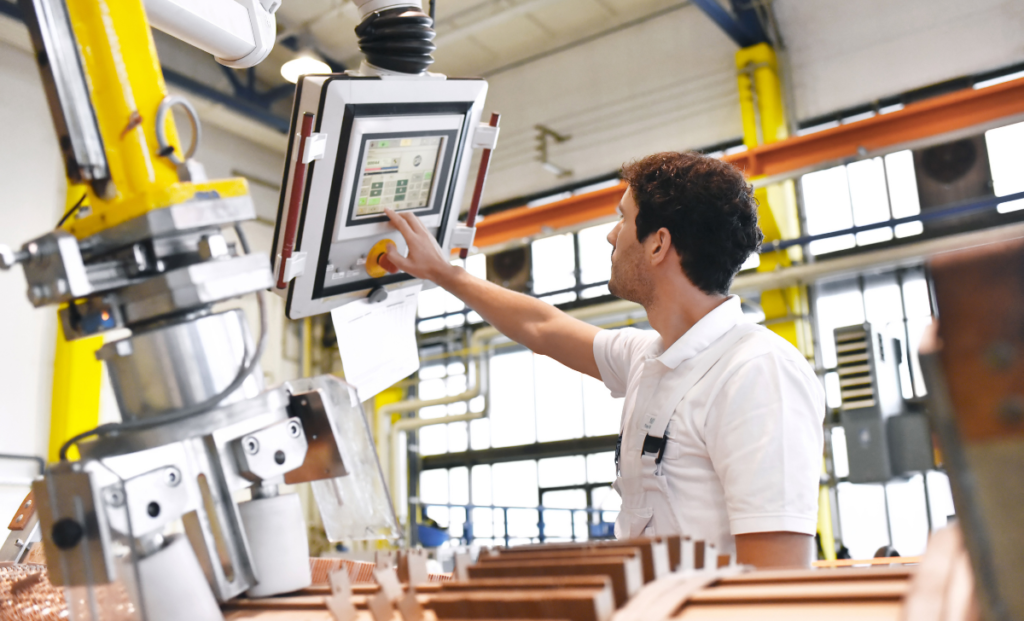
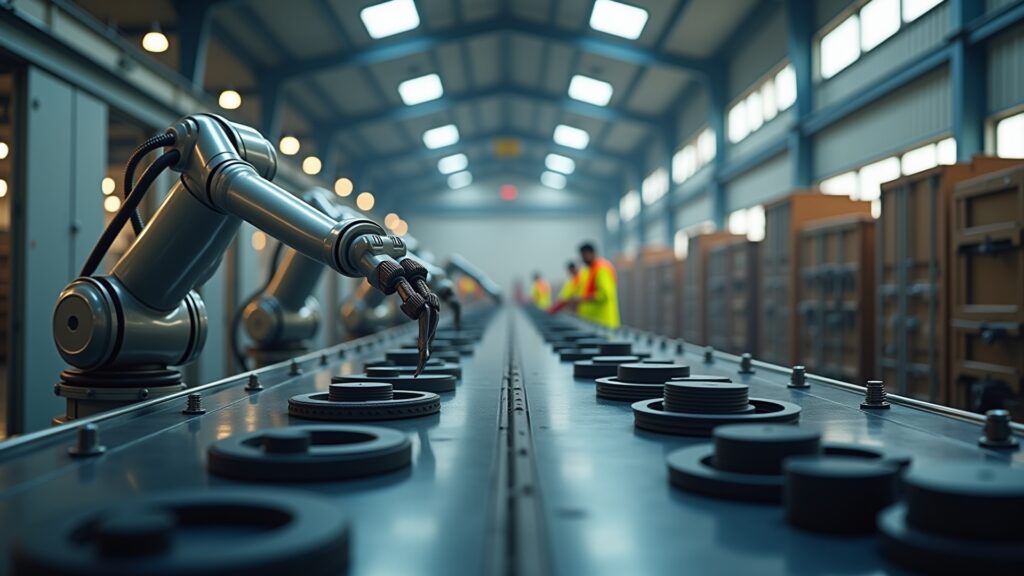
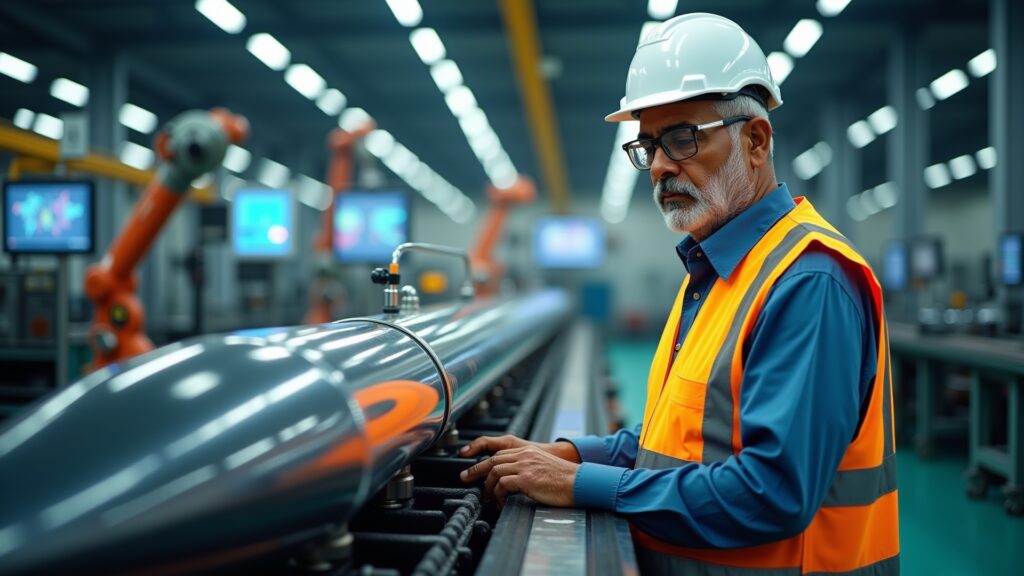
Below is a discussion on how automation has significantly improved manufacturing processes. By implementing automated systems, manufacturers can enhance productivity, reduce errors, and lower operational costs. This capability allows for faster production times and helps businesses respond to international demand with agility.
E-commerce and Global Reach
With the rise of e-commerce platforms, your business can now reach a global audience like never before. These platforms break down geographical barriers, enabling you to sell products internationally without the need for a physical presence in each market.
Efficiency is key to successfully navigating the global e-commerce landscape. By utilizing online marketplaces, you can showcase your products to customers worldwide, while also benefiting from built-in payment systems and customer support. Moreover, as you scale, it’s imperative to consider the logistics of shipping products efficiently to different countries, ensuring timely delivery, which in turn can enhance customer satisfaction. The positive implications of embracing e-commerce include increased visibility and the potential for substantial growth, while also being mindful of the challenges such as navigating international regulations and competition.
Case Studies of Successful Exporting Firms
Keep in mind the following case studies, presenting companies that effectively harnessed the power of exports to expand their market reach:
- XYZ Manufacturing: Increased revenue by 50% after entering the European market in 2022.
- ABC Electronics: Grew its export sales by 60% over three years, tapping into Southeast Asian markets.
- DEF Apparel: Achieved a 20% market share in South America following a strategic marketing campaign.
Lessons from Traditional Industries
Exporting traditionally has been a major avenue for growth for industries such as textiles and agriculture. I’ve found that understanding cultural nuances and adapting products to local tastes can significantly enhance market success. By investing in local partnerships, companies have managed to create a sustainable and loyal customer base that respects their brand.
Innovations in High-Tech Exporters
Studies show that high-tech exporters have revolutionized the traditional approach to international sales. I’ve observed that companies leveraging cutting-edge technologies often see exponential growth in their global footprint.
Hence, the integration of advanced analytics and AI-driven marketing strategies has transformed how high-tech firms operate in global markets. Many organizations using data analytics reported more than a 30% increase in export efficiency, enabling them to identify and respond to emerging market trends swiftly. This adaptation to evolving dynamics allows your firm to not only compete but thrive internationally, cementing its place as a leader among global innovators.
Final Words
Summing up, I believe that the journey from local to global through exports significantly shapes manufacturing and international markets. Your ability to tap into broader markets enhances not just your business growth but also bolsters the economy on a larger scale. By understanding the dynamic relationship between exports and manufacturing, I encourage you to explore how you can position your operations to thrive in this interconnected world. This not only elevates your company but also contributes to a more robust global economy.
FAQ
Q: How do exports influence the growth of local manufacturing industries?
A: Exports play a significant role in the growth of local manufacturing industries by opening new markets for their products. When local manufacturers engage in international trade, they can achieve economies of scale, reduce per-unit costs, and increase production levels. This demand from global markets encourages manufacturers to innovate and improve their production processes. Additionally, increased exports can lead to job creation within the local economy, as more workers are needed to meet higher production demands.
Q: What are the potential challenges faced by manufacturers when expanding into international markets?
A: Manufacturers face various challenges when venturing into international markets, including navigating complex regulatory environments, understanding foreign trade laws, and dealing with varying consumer preferences. Additionally, cultural differences can impact marketing strategies, requiring businesses to adapt their approaches for different audiences. Economic factors, such as exchange rate fluctuations and tariffs, can also pose risks that manufacturers must negotiate to maintain profitability and competitiveness in the global market.
Q: How can local businesses prepare to compete on a global scale?
A: Local businesses can prepare to compete globally by investing in market research to understand international consumer behavior and trends. Strengthening supply chains and enhancing product quality are vital for meeting global standards. Developing partnerships with export agencies or trade organizations can provide guidance on market entry strategies and regulations. Furthermore, businesses should focus on building a strong online presence to reach a broader audience and consider diversifying their product offerings to cater to different markets.