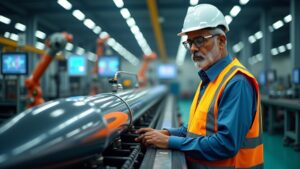
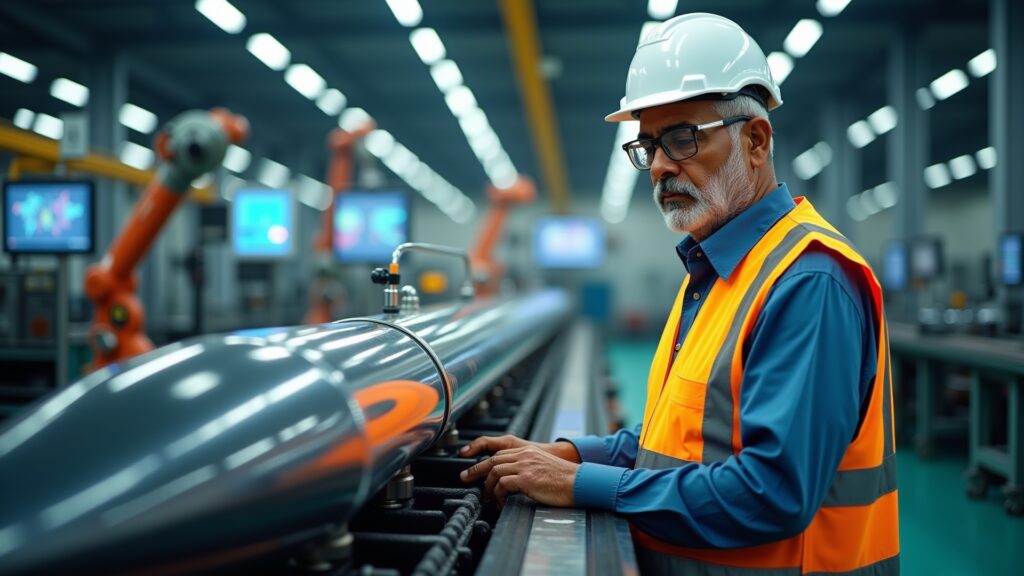
Insights into the evolving landscape of manufacturing reveal that we are at a pivotal moment of transformation. As technology advances and the demand for sustainability rises, I see both opportunities and challenges shaping our future. Through automation, AI, and innovative practices, you can leverage these trends to enhance your operations. However, navigating this rapid change requires careful consideration of the potential risks involved, such as workforce displacement and environmental impact. Join me as I explore into the key trends and insights that will define the manufacturing industry in the coming years.
Current State of Manufacturing
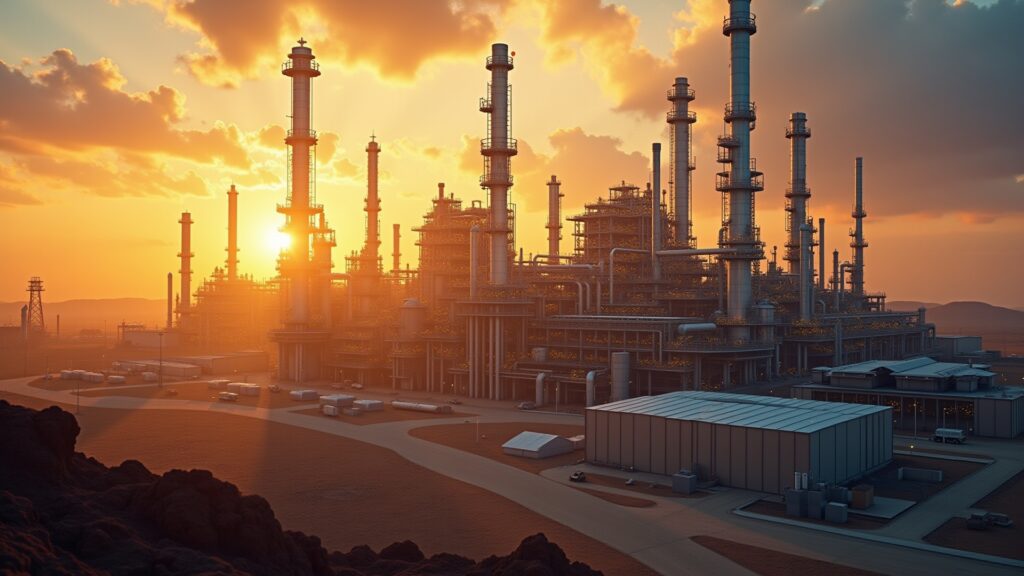
The manufacturing industry is experiencing profound transformation characterized by increased automation, digital integration, and evolving supply chain dynamics. As I observe this sector, it’s evident that manufacturers are adapting to new challenges and opportunities, striving for efficiency and innovation. More than ever, sustainability and resilience are at the forefront, shaping the operational strategies of companies globally.
Technological Advancements
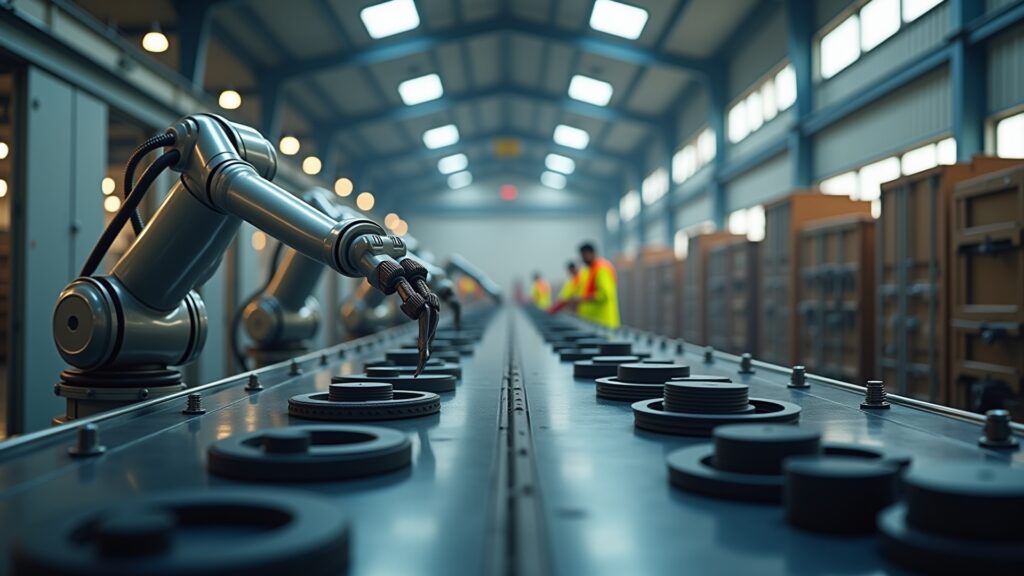
For manufacturers, the integration of advanced technologies such as artificial intelligence, machine learning, and the Internet of Things (IoT) is revolutionizing production processes. These innovations not only enhance efficiency but also improve product quality, enabling firms to stay competitive in a rapidly evolving landscape.
Workforce Dynamics
On the other hand, the workforce within manufacturing is undergoing significant changes, reshaping the skills and roles required. As automation takes over mundane tasks, there is a growing demand for skilled workers who can handle complex machinery and technology.
Another key aspect to consider is that the transition to a more automated manufacturing environment can create barriers for unskilled workers, leading to a potential skills gap. This gap can be particularly worrying as older employees retire and younger generations enter the workforce. However, this shift also presents an opportunity for employee development, emphasizing the need for ongoing training and upskilling programs to equip your workforce with the necessary competencies. By investing in these initiatives, I can help create a workforce that not only adapts to new technologies but thrives in them, ultimately driving innovation and growth in the manufacturing sector.
The Role of Automation
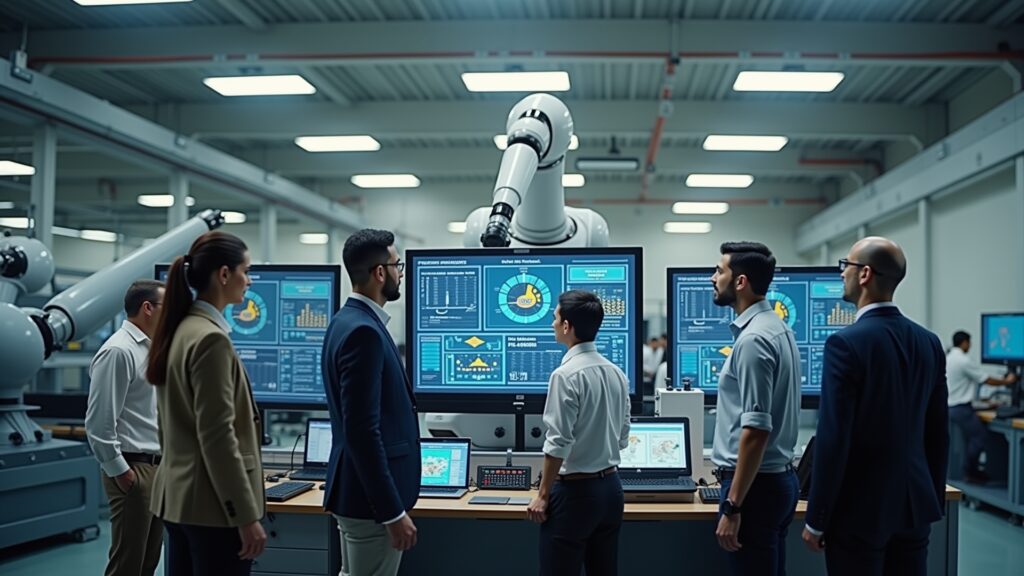
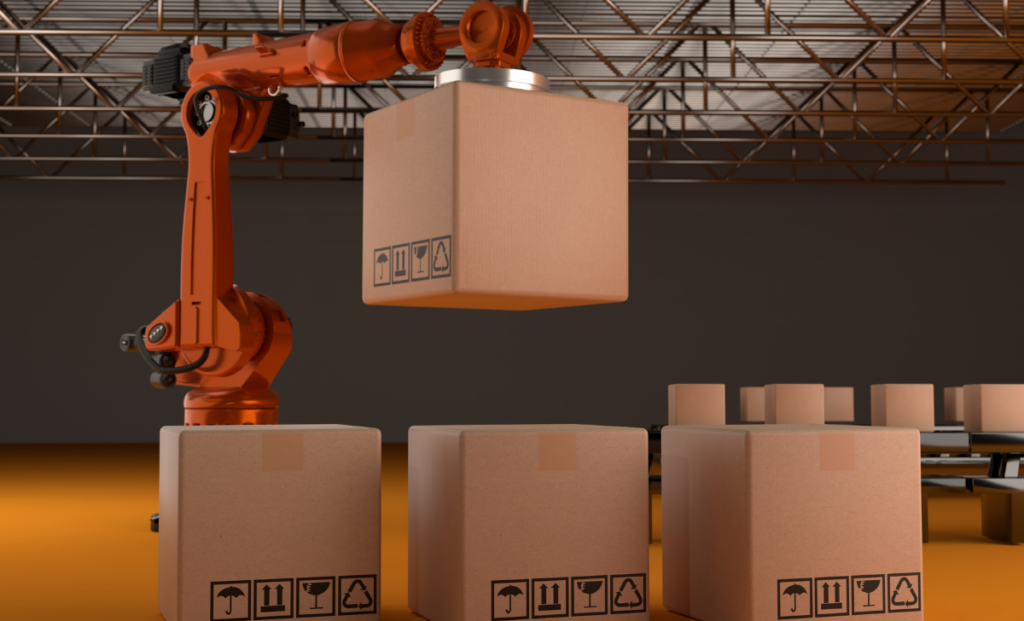
Some experts believe that automation will redefine the manufacturing landscape, enhancing efficiency and productivity while allowing human workers to focus on more complex tasks. As this technology continues to evolve, it will play a pivotal role in streamlining production processes and improving overall output quality. By integrating advanced robotics and intelligent systems, manufacturing facilities can adapt swiftly to market demands, ensuring they remain competitive in a rapidly changing world.
Benefits of Automation
Against traditional manufacturing methods, automation brings significant advantages, including faster production rates, decreased human error, and elevated safety for workers. By leveraging technology, manufacturers can achieve higher precision and consistency in their output, ultimately leading to improved product quality and customer satisfaction. Automation also enables companies to operate with reduced labor costs, reallocating resources toward innovation and growth.
Challenges and Considerations
Above the benefits, I must emphasize that adopting automation is not without its challenges. Transitioning to automated systems can require substantial upfront investment, and manufacturing employees may need retraining or upskilling to adapt to new technologies. Additionally, there can be concerns about potential job losses, leading to resistance from the workforce and stakeholders.
For instance, when integrating automation, it’s necessary to address the potential job displacement that may occur, sparking apprehension among your employees. Additionally, you need to gauge the return on investment, as the initial costs of automation can be significant. Assessing how automation will impact your existing workforce dynamics is vital, ensuring that you foster a culture of collaboration between humans and technology. Moreover, it’s critical to stay updated with rapid technological changes to maintain competitiveness and avoid falling behind as industry standards evolve.
Sustainability in Manufacturing
You are part of a pivotal moment in manufacturing where sustainability is not just an option, but a necessity. The industry’s focus on reducing its environmental footprint is reshaping operations, driving innovations, and improving overall efficiency. Embracing sustainable practices ensures that we can meet consumer demands while safeguarding the planet for future generations.
Environmental Impact
At the heart of sustainability in manufacturing lies the need to address the significant environmental impact of production processes. This includes reducing waste, minimizing emissions, and using resources more efficiently. As manufacturers assess their operations, it’s apparent that fostering eco-friendly practices can lead to both positive environmental outcomes and improved operational efficiency.
Sustainable Practices and Innovations
At the forefront of this movement are sustainable practices and innovations that transform traditional methods. By implementing strategies such as lean manufacturing, recycling materials, and utilizing renewable energy, manufacturers can drastically decrease their environmental footprint. These innovations not only align with regulatory requirements but also enhance organizational resilience amid shifting market dynamics.
Indeed, the push for sustainability in manufacturing underscores the importance of adopting innovative practices that focus on reducing waste and enhancing resource efficiency. For instance, implementing automation technologies can optimize production processes, while the use of biodegradable materials can drastically lower waste levels. Additionally, collaborations with supply chain partners to develop sustainable materials can lead to significant advancements in product life cycles, ensuring that environmental responsibilities are met without sacrificing economic viability. This transformation offers a positive impact on profitability and a sustainable future.
Global Supply Chain Shifts
Unlike the past, where businesses relied on centralized production hubs, today’s manufacturing landscape is witnessing significant shifts in global supply chains. These changes are driven by the need for greater flexibility and responsiveness to unexpected disruptions. Companies now prioritize local sourcing and adaptive logistics strategies to better navigate the uncertainties of international trade, ensuring that they can maintain efficiency even amid global challenges.
Impact of Geopolitical Changes
Changes in political landscapes across the globe have directly influenced supply chain dynamics. For instance, trade tariffs, sanctions, and changing alliances can disrupt established routes and increase costs. As I assess these shifts, I observe that companies must adapt quickly to mitigate these challenges and safeguard their operations against worsening geopolitical tensions.
Supply Chain Resilience Strategies
For businesses to thrive in an unpredictable world, adopting robust supply chain resilience strategies is important. This might include diversifying suppliers, investing in technology for real-time data analytics, and creating contingency plans to respond promptly to disruptions. By proactively addressing potential vulnerabilities, companies can ensure a more stable operational footing.
But even with the best strategies in place, I find that there are inherent risks to navigate. The need to embrace diversification comes with the challenge of managing multiple supplier relationships, which can introduce complexities. Furthermore, investing in technology can be expensive, yet the benefits of real-time insights can outweigh the initial costs. Ultimately, focusing on collaboration and transparency across your supply chain network will enhance your ability to respond to unexpected events effectively, positioning you for sustainable growth in a changing world.
Smart Manufacturing and Industry 4.0
After witnessing the rapid evolution of technology, it’s clear that Smart Manufacturing and Industry 4.0 are redefining the manufacturing landscape. This technological revolution integrates advanced automation, data exchange, and advanced analytics to create more agile and efficient manufacturing processes. By adopting these innovations, businesses can improve operational performance, reduce costs, and lead in a fiercely competitive market.
Integration of IoT and Big Data
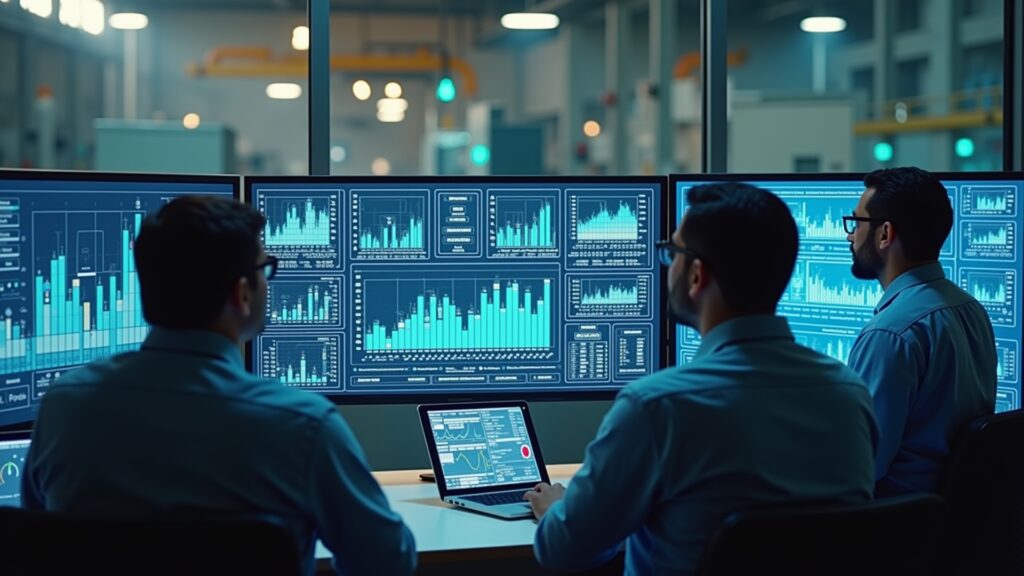
One of the most transformative elements of Industry 4.0 is the integration of the Internet of Things (IoT) with Big Data. This combination enables real-time data collection from connected devices, allowing for analytics that drive informed decision-making. Manufacturers can optimize maintenance schedules, predict equipment failures, and enhance production efficiency, ultimately leading to increased profitability.
Case Studies of Successful Implementations
Manufacturing companies are leveraging Industry 4.0 technologies to achieve remarkable results. Here are some noteworthy case studies:
- Dell – Implemented IoT solutions, resulting in a 20% reduction in assembly time.
- Siemens – Achieved 50% energy savings in their Amberg plant through smart technology integration.
- General Electric – Realized a 10% increase in operational efficiency using predictive analytics in their factories.
- Procter & Gamble – Improved product quality by 30% after introducing machine learning algorithms into their production process.
It is evident from these case studies that adopting Industry 4.0 technologies can lead to significant benefits. For example, Dell’s implementation of IoT has not only expedited assembly times but has also enhanced overall workflow, leading to increased customer satisfaction. Siemens and General Electric have reported impressive savings and efficiency gains, demonstrating how leveraging smart manufacturing solutions can propel your business forward. Adopting these insights is crucial if you aim to stay competitive in this rapidly evolving industry.
Future Skills and Workforce Development
To thrive in a rapidly changing manufacturing landscape, it is vital to focus on future skills and workforce development. Companies must prioritize cultivating talent that is adaptable and possesses a keen understanding of advanced technologies. This will not only boost productivity but also ensure sustainability in a competitive market. As we steer toward innovation, equipping employees with the right skill set becomes paramount for success.
Emerging Skill Sets
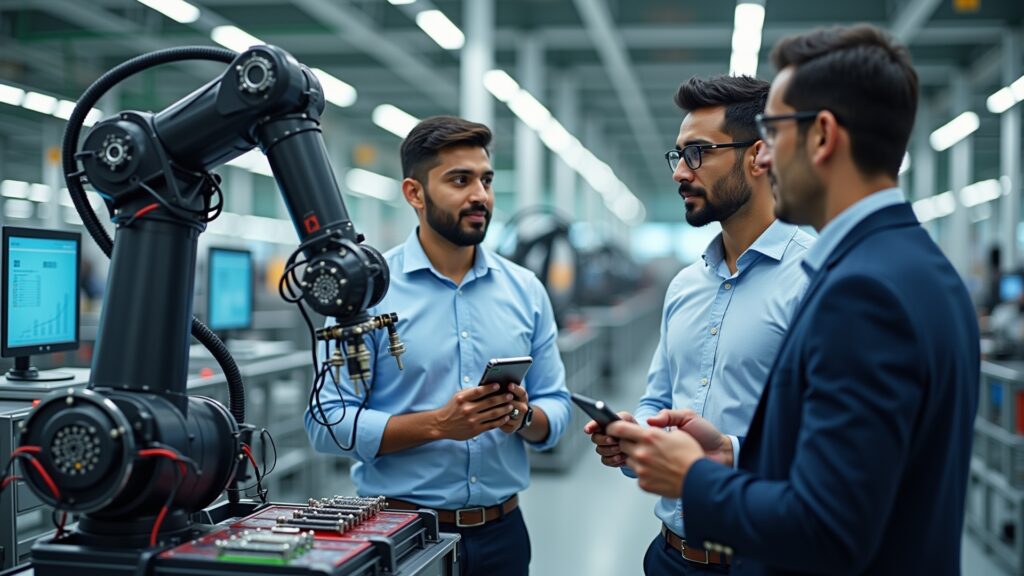
An increasing demand for skills in automation, data analytics, and artificial intelligence is reshaping the manufacturing sector. Workers need to be proficient in technology that supports smart manufacturing and collaborative robotics, ensuring they can operate alongside these advanced systems effectively.
Educational and Training Initiatives
Below, we see a growing emphasis on educational and training programs that align with industry requirements. Initiatives like apprenticeships, upskilling workshops, and partnerships between educational institutions and companies contribute to building a robust talent pipeline. This approach enhances the capability of the workforce and fosters a culture of continuous learning.
Also, I find it important to highlight that these initiatives are often supported by government funding and industry collaboration, aiming to create a highly skilled workforce for the future. By investing in technical training and leadership development, organizations not only improve employee retention but also encourage innovation and productivity. The commitment to ongoing education ensures that your workforce remains adaptable, tech-savvy, and prepared to meet the evolving demands of the manufacturing sector.
Final Words
Considering all points, I believe that the future of manufacturing will be defined by adaptability and technological innovation. As you navigate this rapidly changing landscape, embracing trends such as automation, sustainability, and digital transformation will be imperative for success. Your ability to stay informed and agile will determine how well you respond to market demands and challenges. By leveraging insights and trends, you can position yourself and your organization for growth and resilience in this dynamic industry.
FAQ
Q: What are the key trends shaping the future of manufacturing?
A: Several key trends are currently influencing the future of manufacturing, including the rise of automation and robotics, the integration of artificial intelligence and machine learning, and the adoption of sustainable practices. Automation and robotics help increase efficiency and reduce costs, while AI and machine learning enable manufacturers to analyze large amounts of data for better decision-making. Additionally, the push towards sustainability is driving the industry to adopt environmentally friendly processes and materials, effectively responding to consumer demand for responsible manufacturing.
Q: How is digital transformation impacting the manufacturing sector?
A: Digital transformation is significantly impacting the manufacturing sector by enhancing productivity and connectivity. Technologies such as the Internet of Things (IoT) and advanced analytics are enabling real-time monitoring of equipment and operations, resulting in reduced downtime and optimized processes. Furthermore, digital tools facilitate improved collaboration within teams and with supply chain partners, leading to a more agile manufacturing environment. This transformation also enables manufacturers to respond rapidly to market changes and customer needs, maintaining a competitive edge.
Q: What role does sustainability play in future manufacturing strategies?
A: Sustainability is becoming a central component of future manufacturing strategies as companies recognize the importance of minimizing their environmental impact. This includes adopting practices such as reducing waste, utilizing renewable energy sources, and implementing circular economy principles, where products are designed for reuse and recycling. Embracing sustainability not only meets regulatory requirements but also aligns with changing consumer preferences for eco-friendly products. As a result, manufacturers that prioritize sustainability are likely to improve their brand reputation and achieve long-term profitability.