It’s important to streamline your supply chain and logistics to achieve efficiency in manufacturing operations. By focusing on strategic planning and utilizing advanced technologies, you can improve your workflow, reduce costs, and enhance overall productivity. In this blog post, I will share valuable insights and practical tips to help you optimize your supply chain, ensuring that your manufacturing processes run smoothly and meet your business goals. Let’s explore how you can make a significant impact on your operations!
Understanding Supply Chain Management
A supply chain comprises interconnected elements that enhance the flow of goods, services, and information from suppliers to customers. Effective supply chain management integrates these components to streamline processes, reduce costs, and improve overall operational efficiency. By aligning various functions such as procurement, production, and distribution, I can ensure that manufacturing operations run smoothly and meet demand efficiently.
Key Components of Supply Chain
With a successful supply chain, several key components work in harmony. These include procurement, production planning, inventory management, logistics, and demand forecasting. Each component plays a significant role in ensuring that your products reach customers on time while minimizing waste and optimizing resources. By meticulously managing these elements, you can enhance your supply chain’s resilience and responsiveness.
Challenges in Supply Chain Optimization
Chain disruptions, fluctuating demand, and logistical complexities present significant challenges in optimizing the supply chain. These factors can lead to inefficiencies that increase operational costs, delay deliveries, and diminish customer satisfaction. To combat these issues, it’s crucial to leverage technology, streamline communication, and foster robust relationships with suppliers and partners.
Supply chain optimization can be jeopardized by several significant challenges. Among these are unexpected disruptions that can halt operations, high transportation costs that eat into profit margins, and the risk of stockouts or excess inventory that complicates management efforts. Addressing these issues requires continuous monitoring and a proactive approach to adapt strategies to meet evolving needs. By investing in technology and leveraging data analytics, I can make more informed decisions and enhance the resilience of your supply chain, ultimately leading to improved manufacturing operations.
The Role of Logistics in Manufacturing
While the manufacturing process heavily relies on raw materials and production flow, logistics serves as the backbone that connects these elements. Efficient logistics oversees the movement of goods, ensuring that materials arrive on time and products reach customers without delays. I have seen firsthand how a well-structured logistics system not only enhances productivity but also reduces costs and improves overall operational effectiveness.
Importance of Efficient Logistics
On a fundamental level, efficient logistics can make or break your manufacturing operations. It streamlines processes, reduces lead times, and minimizes waste. By optimizing logistics, you enhance customer satisfaction while keeping operational expenses in check, underscoring the need for a logistics strategy that aligns with your manufacturing goals.
Logistics Strategies for Manufacturers
To effectively optimize your logistics, one must implement targeted strategies that address specific challenges in manufacturing. This may include adopting just-in-time delivery systems, utilizing advanced tracking technologies, or collaborating closely with suppliers to ensure a smooth flow of materials. Each of these tactics plays a vital role in maintaining your manufacturing efficiency.
Further, I have found that employing inventory management software and leveraging data analytics can significantly enhance visibility across your supply chain. Additionally, focusing on supplier relationships ensures a reliable flow of materials, while embracing sustainable logistics solutions satisfies growing industry demands for eco-friendliness. When you integrate these strategies effectively, you create a robust logistics framework that supports your manufacturing initiatives and leads to improved performance and profitability.
Technologies Transforming Supply Chain and Logistics
If you want to stay competitive in today’s fast-paced market, embracing innovative technologies is vital for optimizing your supply chain and logistics. Technologies such as automation, data analytics, and artificial intelligence are reshaping traditional practices, improving efficiency, reducing costs, and enhancing decision-making processes. By adopting these solutions, you can streamline operations, ultimately delivering better value to your customers and solidifying your position in the industry.
Automation and Robotics
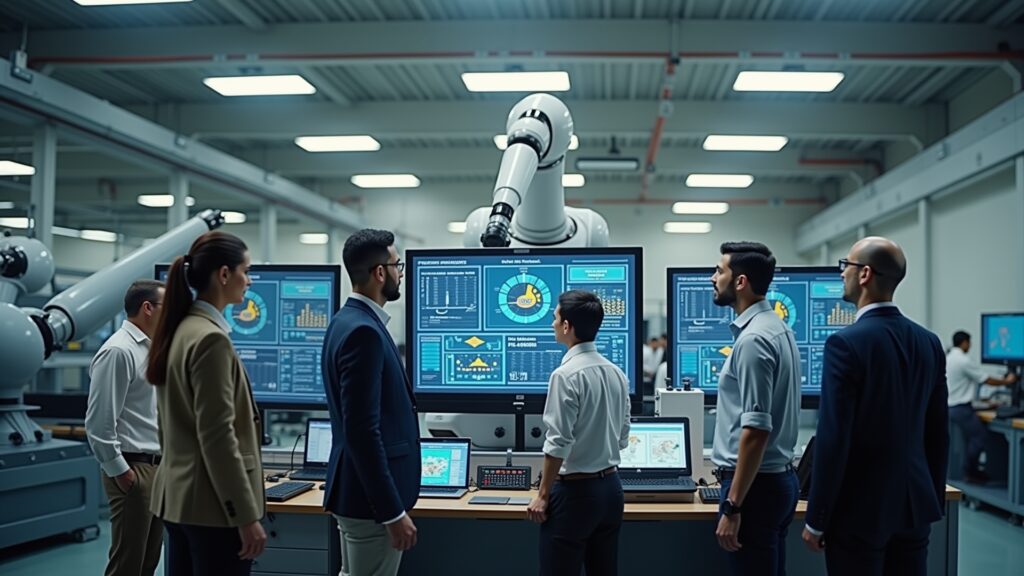
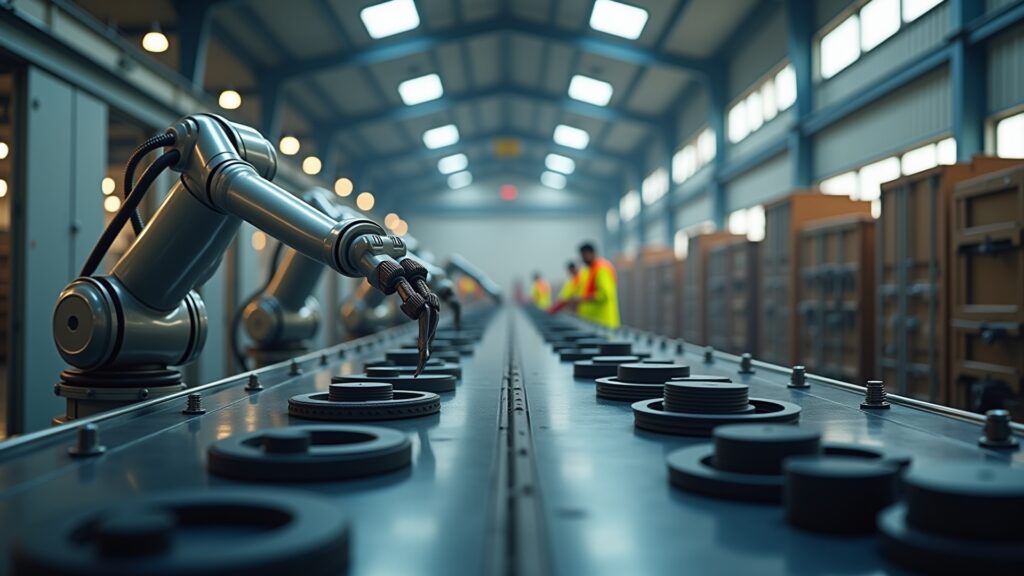
With the rise of automation and robotics, supply chain and logistics operations have transformed remarkably. Automated systems can handle repetitive tasks, reducing human error and increasing speed in manufacturing processes. This allows you to allocate your human resources to more strategic roles, enhancing productivity and efficiency across your operations.
Data Analytics and AI Integration
Between the vast amounts of data generated in supply chain operations and the capabilities of AI, businesses can unlock insights that were previously unattainable. By integrating data analytics and AI, you can predict demand patterns, optimize inventory levels, and improve overall operational efficiency.
Considering the impact of data analytics and AI integration on supply chain management, I see it as a game-changer in optimizing logistics. These technologies allow you to harness real-time data, which leads to informed decisions that can mitigate risks. For instance, by predicting supply chain disruptions through advanced algorithms, you can proactively adjust your operations, thus minimizing idle time and resource wastage. Moreover, AI can uncover hidden trends in your data, empowering you to make strategic decisions that enhance efficiency and drive growth. The key is to find a balance between utilizing the technology effectively while ensuring that human oversight is maintained for optimal outcomes.
Best Practices for Supply Chain Optimization
For effective supply chain optimization, it’s crucial to regularly assess your processes, identify bottlenecks, and implement strategies that enhance efficiency. Focusing on technology integration, such as automation and real-time data analytics, can provide significant visibility and responsiveness in your operations. Additionally, fostering a culture of continuous improvement will empower your team to develop innovative solutions that drive productivity and reduce waste.
Inventory Management Techniques
Along with keeping inventory levels in check, adopting techniques like Just-In-Time (JIT) and ABC analysis can greatly enhance your supply chain. JIT minimizes excess stock and ensures quick response times, while ABC analysis categorizes inventory based on value and turnover, allowing for more focused management strategies. Optimizing stock levels reduces carrying costs and improves cash flow.
Collaboration and Communication
To optimize your supply chain, collaboration and communication among stakeholders are crucial. Establishing clear channels of communication with suppliers, manufacturers, and logistics partners fosters transparency, ensuring everyone is aligned on goals and expectations. This synergy not only streamlines processes but also enhances problem-solving capabilities when challenges arise.
Techniques such as regular strategy meetings, shared digital platforms, and joint forecasting efforts can significantly strengthen your overall supply chain network. By creating an open dialogue, you pave the way for real-time data sharing, which can lead to quicker decision-making. Additionally, empowering your team to communicate their insights and challenges helps identify opportunities for improvement. Ultimately, a collaborative approach not only enhances operational efficiency but also builds stronger relationships with your partners.
Case Studies of Successful Optimization
All organizations striving for efficiency can benefit from examining specific examples of successful optimization in supply chains and logistics. Here are some notable case studies:
- Company A: Reduced lead times by 25% through advanced demand forecasting.
- Company B: Increased overall productivity by 30% by implementing a new inventory management system.
- Company C: Enhanced distribution efficiency by 15%, resulting in a 20% reduction in transportation costs.
- Company D: Streamlined operations that led to a 40% decrease in waste.
Industry-Specific Examples
To illustrate the impact of optimized logistics, I will explore how various industries have tailored their approaches. In manufacturing, implementing automated inventory tracking resulted in significant waste reduction, while in retail, enhancing last-mile delivery processes improved customer satisfaction.
Lessons Learned
IndustrySpecific case studies provide invaluable insights into how successful optimization can be achieved. I found that organizations benefit from clear metrics, collaborative approaches, and leveraging technology to drive improvements. Each example illustrates that adaptability plays a vital role in facing unique industry challenges.
Examples from various case studies highlight that maintaining flexibility in your operations is important. The most successful companies prioritize data analysis and real-time monitoring to identify issues quickly, enabling prompt corrective actions. Additionally, fostering strong communication lines among teams proved to be a positive factor in achieving seamless integration of logistics, ultimately enhancing overall supply chain performance.
Future Trends in Supply Chain and Logistics
Despite rapid advancements in technology and shifting market demands, the future of supply chain and logistics is expected to focus on enhanced automation, real-time data analytics, and smarter inventory management. As businesses strive for efficiency, adopting cutting-edge technologies such as artificial intelligence and the Internet of Things will be key in streamlining operations and achieving greater responsiveness to customer needs.
Sustainability Initiatives
Between increasing consumer demand for eco-friendly products and the pressure to reduce carbon footprints, companies are integrating sustainability initiatives into their supply chain strategies. This shift not only focuses on improving operational efficiency but also enhances brand reputation and meets regulatory standards, ultimately leading to a more sustainable future for manufacturing.
Globalization and Resilience
With ongoing geopolitical changes and unpredictable global events, businesses are re-evaluating their supply chain strategies to prioritize resilience. This means diversifying suppliers, adopting flexible logistics solutions, and enhancing visibility throughout the supply chain. Ensuring your operations can adapt to external disruptions will ultimately safeguard your company’s stability.
For instance, the COVID-19 pandemic exposed vulnerabilities in global supply chains, highlighting the importance of redundant suppliers and transparent communication among stakeholders. Companies that pivoted quickly to diversify their sourcing and build stronger relationships with local suppliers not only weathered the storm but also found opportunities for growth. Emphasizing risk management and flexible logistics models can help your business navigate uncertainties, ensuring longevity and stability in an ever-changing global landscape.
To wrap up
From above, I’ve highlighted the importance of optimizing supply chain and logistics to enhance your manufacturing operations. Streamlining processes not only improves efficiency but also reduces costs and enhances customer satisfaction. By leveraging technology, fostering strong relationships with suppliers, and continuously assessing your operations, you can create a more agile and responsive supply chain. Implementing these strategies will position your business for long-term success in a competitive landscape. I encourage you to take actionable steps to refine your supply chain and logistics, ultimately driving better outcomes for your manufacturing endeavors.
Q: What are the key components of an optimized supply chain for manufacturing?
A: An optimized supply chain for manufacturing involves several key components including supplier relationships, inventory management, demand forecasting, production planning, and logistics coordination. Effective supplier relationships allow for timely deliveries and better pricing, while efficient inventory management ensures that materials are available when needed without overstocking. Demand forecasting helps in predicting customer needs, and production planning ensures seamless operation on the manufacturing floor. Lastly, logistics coordination ensures that products are delivered to customers efficiently, minimizing delays and costs.
Q: How can technology aid in improving supply chain efficiency in manufacturing?
A: Technology plays a significant role in enhancing supply chain efficiency. Tools such as ERP (Enterprise Resource Planning) systems help integrate various processes, providing real-time data and insights into inventory, order management, and production schedules. Automation and IoT (Internet of Things) can streamline operations by monitoring equipment and tracking inventory levels automatically. Additionally, advanced analytics can forecast demand patterns, allowing for proactive adjustments in production and procurement strategies, leading to cost savings and improved service levels.
Q: What practices can manufacturers adopt to enhance logistics operations?
A: Manufacturers can adopt several best practices to enhance their logistics operations. These include optimizing transportation routes to reduce delivery times and costs, leveraging third-party logistics (3PL) providers for specialized services, and implementing a robust warehouse management system (WMS) that improves inventory tracking and order fulfillment. Furthermore, establishing strong communication channels with all stakeholders in the supply chain ensures transparency and facilitates quick resolution of issues. Continuous evaluation of logistics performance metrics can also help in identifying areas for improvement.