The recent surge in India’s defence production to ₹1.27 lakh crore in 2023-24 is more than just a headline figure—it’s a transformative milestone that you, as a manufacturing leader or stakeholder, cannot afford to overlook. This significant jump reflects not only India’s ambitions for strategic autonomy but also signals a profound shift in the country’s manufacturing landscape, presenting new avenues for growth, innovation, and competitiveness.
Why This Matters to You
Imagine the ripple effects this surge creates across your factory floor, supply chain, and investment decisions. The accelerated growth in defence manufacturing means your business can now tap into a domain fiercely backed by government policy, capital infusion, and cutting-edge technology integration. It’s a domain where precision engineering, automation, and industrial AI converge to set new standards for quality and efficiency.
The implications stretch beyond defence alone. As a manufacturing entrepreneur, operations leader, or investor, you stand at the cusp of a strategic moment where aligning with this growth can enhance your export potential, bolster supply chain resilience, and elevate your competitive positioning in an era of global realignment and localisation.
What Is Happening in India’s Defence Manufacturing?
Traditionally dependent on imports, India’s defence manufacturing sector has leapt forward with indigenous production reaching ₹1.27 lakh crore in the fiscal year 2023-24. This growth is driven by a mix of focused policy frameworks like the Defence Production Policy and Atmanirbhar Bharat initiatives that incentivize localisation and innovation.
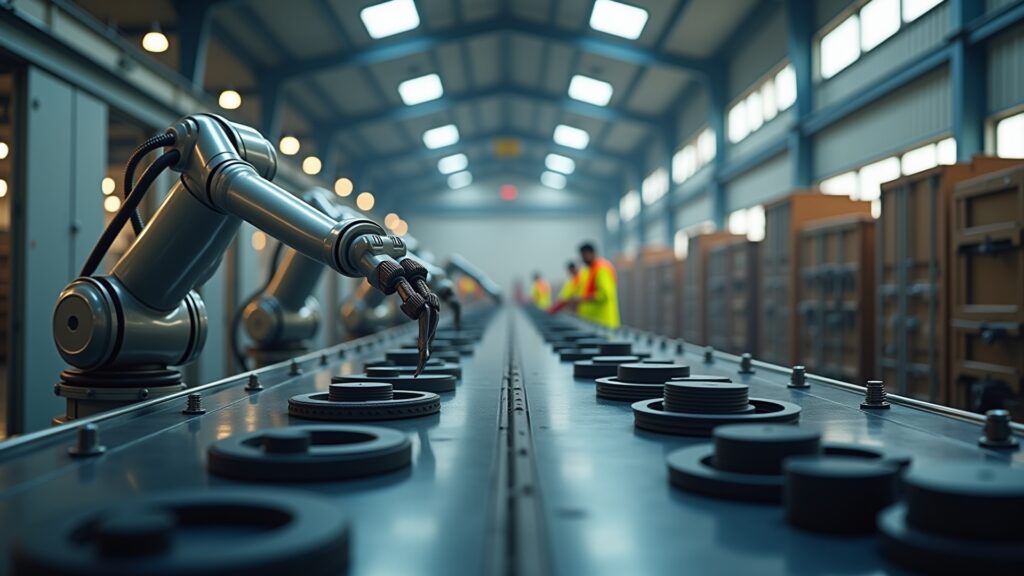
The expansion isn’t merely in volume but also in capability. Advanced manufacturing technologies, robotics, and smart factory solutions are becoming integral to defence production lines. This signals growing sophistication and a move to meet stringent global standards and certifications, an evolution that reshapes the industrial ecosystem.
Key Business and Manufacturing Impacts
- Technology Spillover: The investments flowing into defence enable cross-sector innovation, especially in aerospace, automotive, and heavy engineering—driving materials science, robotics, and digital manufacturing forward.
- Supply Chain Resilience: Deepening local supplier networks reduces foreign dependency, an asset amidst geopolitical uncertainties and supply chain diversification strategies like China+1.
- Export Competitiveness: Indian defence manufacturing is positioning itself to become a formidable player in global markets previously dominated by a few countries, offering you fresh export opportunities.
- Employment & Skills: This scale-up facilitates the development of a skilled workforce specialized in high-precision and advanced manufacturing technologies, elevating the talent pool for your operations.
Strategic Insight: What This Means for You
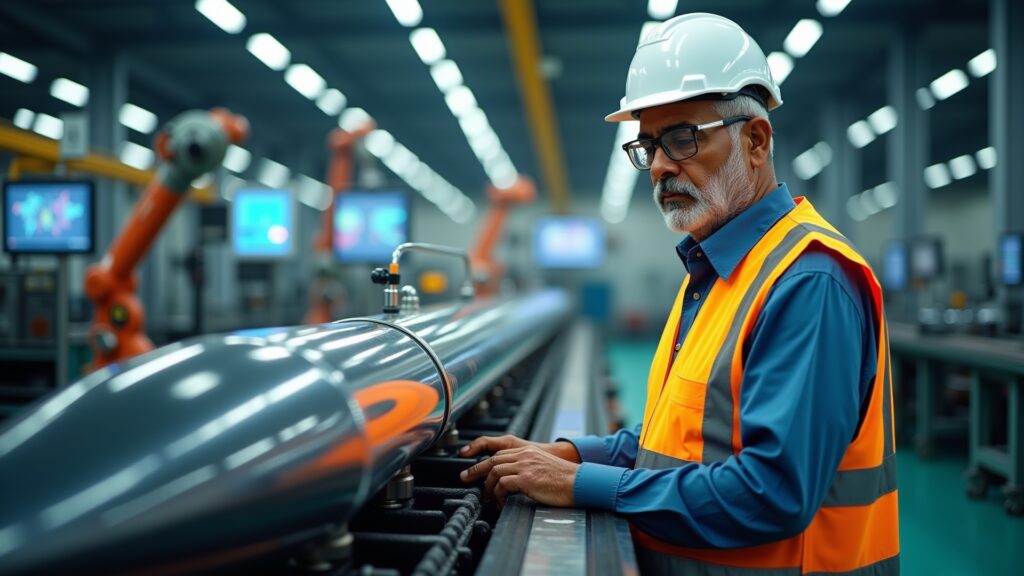
For you, whether steering a manufacturing start-up or running an established plant, this surge demands a shift in strategy. Integrating robotics, predictive maintenance, and industrial AI is no longer optional—it’s essential for meeting defence quality benchmarks and production efficiency.
“In manufacturing, scale matters — but resilience and precision are what create durable advantage.”
Engaging with the evolving defence vendor ecosystem can secure you steady demand bolstered by policy support. It is a chance to rethink capital allocation towards innovation-driven growth segments within your portfolio.
Practical Takeaways to Prioritize Now
- Understand the evolving policy landscape: Keep abreast of government incentives and certification norms in defence manufacturing.
- Invest in advanced manufacturing: Upgrade your facility with automation, robotics, and AI to meet quality and efficiency standards.
- Build localised supply chains: Strengthen relations with Indian suppliers to enhance supply chain stability and reduce external risks.
- Monitor export market openings: Evaluate potential defence export opportunities to diversify revenue streams.
- Focus on workforce skill development: Develop capabilities in precision engineering and smart manufacturing technologies.
Expert Perspective
“The real edge is not only in producing more, but in producing faster, smarter, and closer to where demand is shifting.”
“When automation, supply-chain discipline, and execution quality align, manufacturing growth becomes far more sustainable.”
Potential Risks and Challenges Ahead
Despite this promising trajectory, you must be aware of challenges. Sustaining growth requires continuous innovation funding and collaboration between industry and academia. The complexity of defence manufacturing also raises certification barriers demanding sustained quality and compliance vigilance.
Energy efficiency and sustainability will become critical not just for regulatory compliance but also for cost competitiveness. Transitioning to greener production methods will require strategic foresight and investment.
What to Watch Next
Keep an eye on how India’s defence policy evolves, particularly around R&D funding and industrial incentives. New collaborations between government, industry, and academic institutions will shape the technology pipeline and workforce development, ultimately impacting your strategic decisions.
Also, track global geopolitical shifts and supply chain diversification trends that impact sourcing and export dynamics for defence and related sectors.
Conclusion
The defence production growth in India in 2023-24 is more than a sector milestone—it’s a strategic lever for industrial transformation that you must recognize and harness. Aligning your manufacturing strategy with this trend offers a pathway to enhanced capability, resilient supply networks, and lucrative export prospects, securing your place in India’s evolving industrial future.
Incorporate advanced manufacturing technologies, foster localisation, and invest in skilled talent to capitalize fully on this opportunity. This surge charts a course toward a smarter, more self-reliant, and globally competitive manufacturing sector—one where your leadership and strategic choices will define success.