As a manufacturing leader or investor, you understand that global competitiveness hinges not just on what you produce, but how quickly and precisely you bring it to market. The evolving India-Japan manufacturing partnership offers a pivotal blueprint for navigating this challenge. This collaboration is transforming how factories scale, innovate, and compete internationally by emphasizing two critical pillars: speed and quality. For your manufacturing operations, supply chain strategies, and export ambitions, grasping these elements is essential to leveraging this partnership’s full potential.
Why This Matters to You
The India-Japan manufacturing partnership has significant implications for your business growth and industrial strategy. As supply chains recalibrate globally with the China+1 approach, India is emerging as a preferred hub for advanced manufacturing. Japan brings decades of expertise in automation, quality control, and process excellence. But beyond technology infusion, your capacity to accelerate decision-making and operational execution while ensuring impeccable quality will define your competitive advantage. This means faster factory expansions, higher production reliability, and a stronger global reputation for Indian manufacturing that you can capitalize on today.
The Dynamics of the India-Japan Manufacturing Collaboration
India’s ambition to become a global manufacturing powerhouse is gathering pace, aligned closely with Japan’s continued industrial leadership. However, this partnership is not a mere exercise in capital investment or technology transfer. It demands recalibrated operational agility and a rigorous focus on quality—two intertwined facets that will enable you to capture shifting market demands effectively and sustainably.
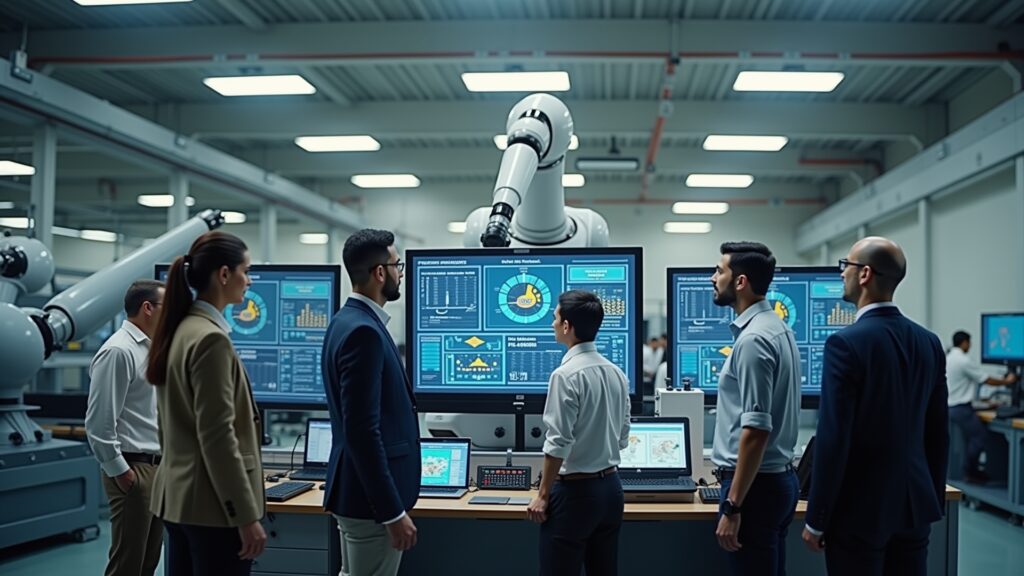
Speed is more than moving fast; it is about accelerating project approvals, streamlining supply chains, and adopting smart factory technologies including robotics and industrial AI. Quality, on the other hand, is ensuring your manufacturing outputs meet—or exceed—stringent international norms, solidifying your position in higher-value industrial sectors and expanding export potential.
The Business Impact: Faster Execution as a Competitive Imperative
You know that delayed timelines can erode market share and investor confidence. The India-Japan partnership highlights the urgency of rapid factory scale-up and capacity creation. Streamlined regulatory approvals, agile supplier networks, and increased automation can dramatically compress your time-to-market. By embedding these speed-focused practices, your manufacturing operations gain resilience against global disruptions and become more adaptive to consumer demands.
Quality: The Bedrock of Sustainable Industrial Growth
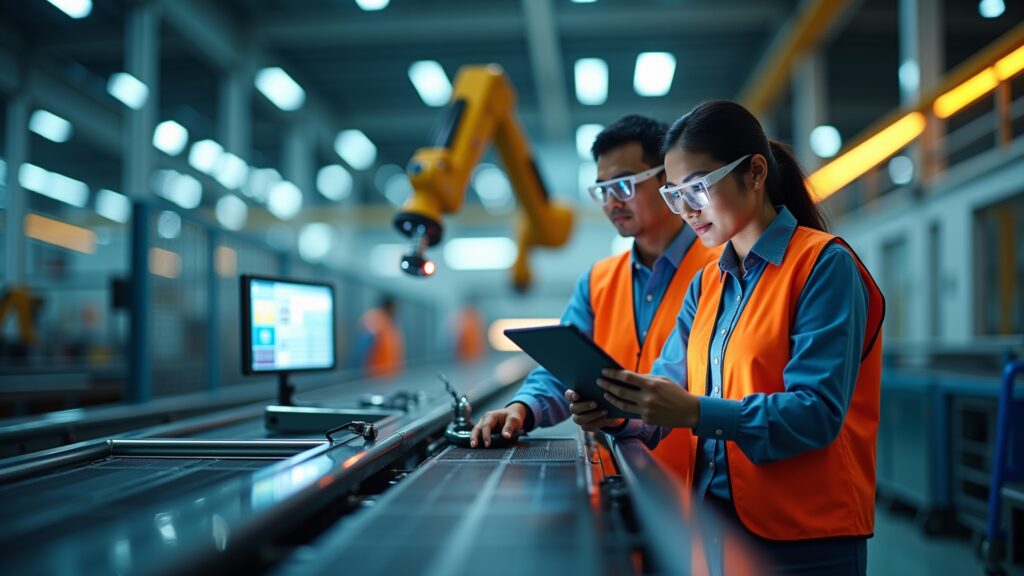
Quality remains at the heart of Japan’s manufacturing ethos and must be integral to your strategy. Leveraging advanced manufacturing technologies and industrial AI enables predictive quality controls that reduce defects and enhance product reliability. This level of precision not only attracts premium global customers but also aligns with India’s push towards adding local value and meeting rigorous export standards. Quality assurance will be your strongest lever for operational excellence and brand reputation on the international stage.
Strategic Insights for Policy, Leadership, and Innovation
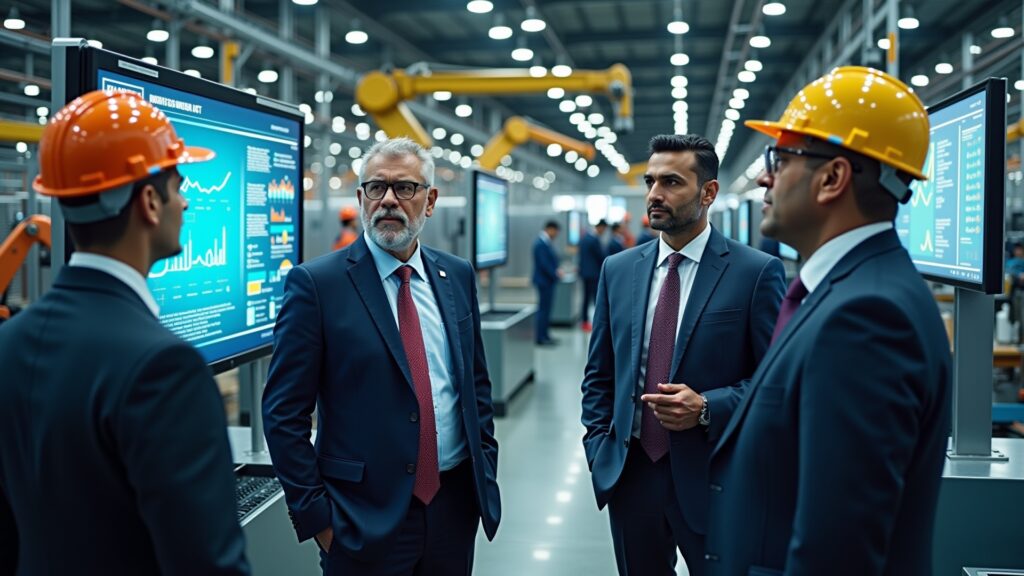
The partnership underscores the need for policies that incentivize quality certifications, automation adoption, and local content. As a leader, fostering workforce upskilling and investing in industrial infrastructure improvements will be crucial for sustaining momentum. For your capital allocation decisions, prioritizing scalable, automated, and sustainable manufacturing projects offers long-term returns and reinforces your competitive positioning.
“In manufacturing, scale matters — but resilience and precision are what create durable advantage.”
“The real edge is not only in producing more, but in producing faster, smarter, and closer to where demand is shifting.”
Practical Takeaways: What You Should Do Next
- Understand the critical role of speed and quality in the evolving India-Japan manufacturing ecosystem.
- Monitor policy developments and incentives supporting automation, quality certifications, and local value addition.
- Invest in smart factory technologies, including robotics and industrial AI, to enhance execution speed and quality assurance.
- Champion workforce development initiatives that build skills aligned with advanced manufacturing practices.
- Prioritize supply chain agility and streamlined decision-making processes to reduce time-to-market.
- Evaluate export opportunities underpinned by stringent quality standards and local innovation.
Risks and Challenges to Navigate
While speed and quality offer a powerful competitive formula, the journey is not without obstacles. Misaligned policies, insufficient infrastructure, and skill gaps can undermine efforts. Overemphasis on speed without quality compromises brand reputation and export credibility. Conversely, focusing solely on quality without accelerating execution risks losing market opportunities. Balancing these priorities demands deliberate leadership and continuous industrial innovation.
What You Should Watch Next
Keep a close eye on evolving government incentives that support industrial automation and quality certification. Follow advances in artificial intelligence that drive predictive manufacturing performance. Track supply chain developments aligned with the China+1 strategy, especially partnerships enhancing localisation. Lastly, observe how India’s export markets respond to the improved quality and faster delivery capabilities emerging from this partnership.
Conclusion: Prioritizing Speed and Quality to Future-Proof Your Manufacturing
The India-Japan manufacturing partnership underscores a profound strategic imperative for your business—success lies in marrying speed with quality. This dual focus will unlock new levels of productivity, supply chain resilience, and export competitiveness that are crucial for India’s global industrial ascent. For you, the opportunity is clear: to build factories and supply chains that are not only swift but flawless. This approach will architect a robust manufacturing future where your enterprise thrives in the global marketplace.
“When automation, supply-chain discipline, and execution quality align, manufacturing growth becomes far more sustainable.”