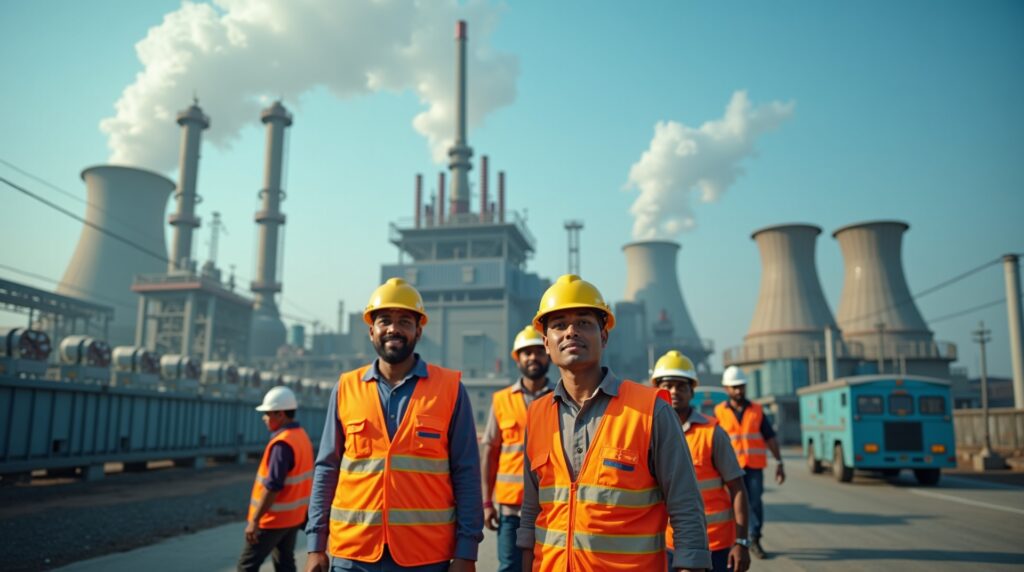
The recent 5.1% increase in India’s industrial output, led predominantly by manufacturing, is more than a headline—it’s a pivotal signal for you as a factory leader, industrial investor, or manufacturing strategist. This milestone reflects not only a quantitative boost in production but also a fundamental transformation in how Indian manufacturing is positioning itself to compete on a global scale. Understanding the nuances of this growth enables you to anticipate shifts in capacity, technology adoption, and supply chain integration that directly impact your operational and strategic decision-making.
Why This Matters to You
Whether you oversee plant operations, shape investment portfolios, or drive industrial policy, India’s manufacturing-led output growth has tangible implications. Your factory’s competitiveness, supply chain robustness, export potential, and long-term sustainability practices hinge on acknowledging and responding to this trend. As domestic demand intensifies and export markets open wider, you need clarity on how to leverage advanced manufacturing techniques, factory scale-ups, and digital transformation to stay ahead. This growth isn’t just about quantity; it’s about creating resilient, efficient, and globally integrated industrial ecosystems.
What Is Happening: Manufacturing as the Engine of Industrial Expansion
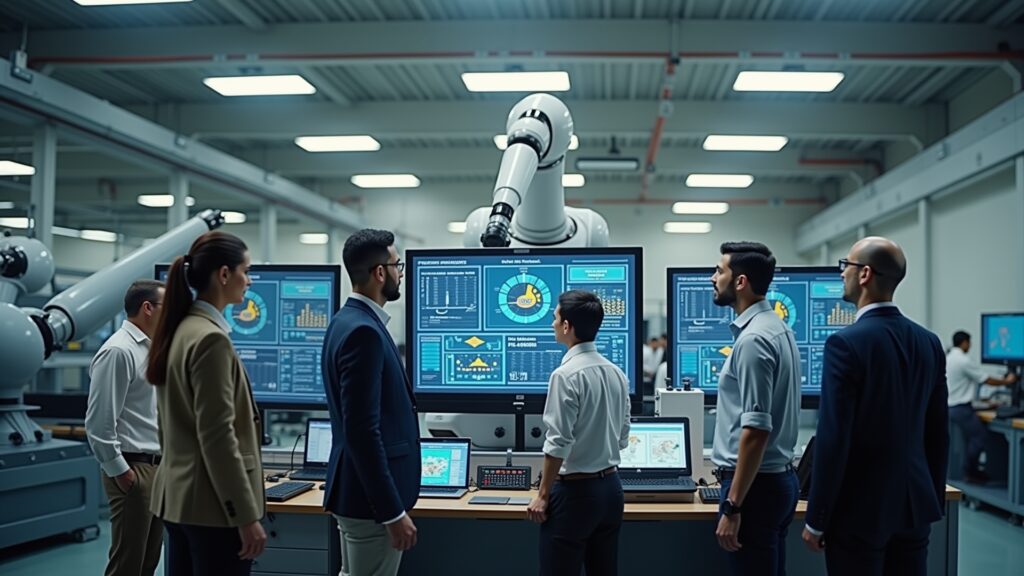
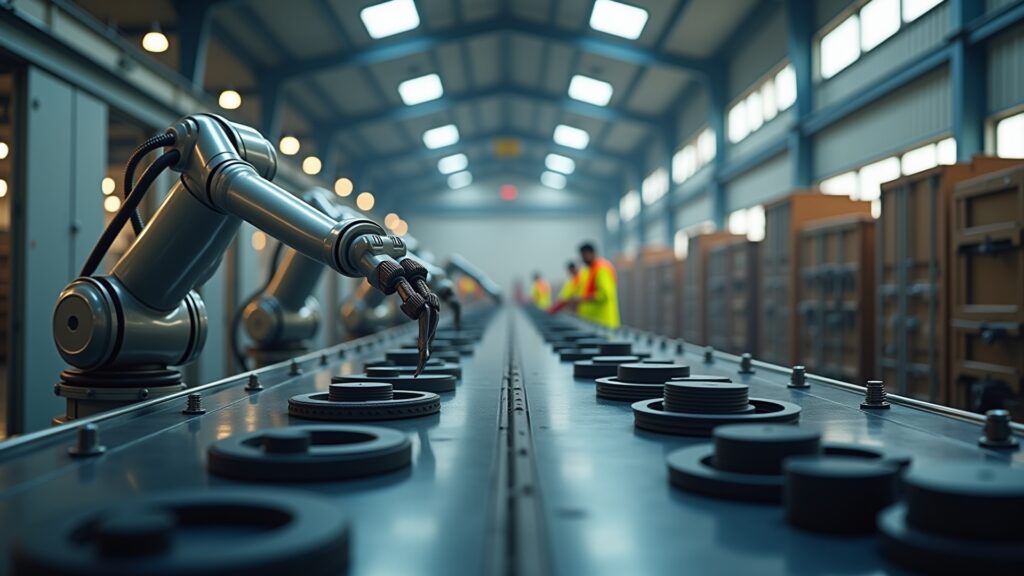
The 5.1% industrial output growth marks a turning point predominantly powered by manufacturing advancements. Behind this figure lies a strategic shift: Indian factories are expanding capacities, accelerating automation, and embedding smart technologies to increase productivity. This momentum reflects not only higher production volumes but also a maturation of manufacturing capabilities—embracing Industry 4.0 elements such as industrial AI and predictive maintenance to drive operational excellence.
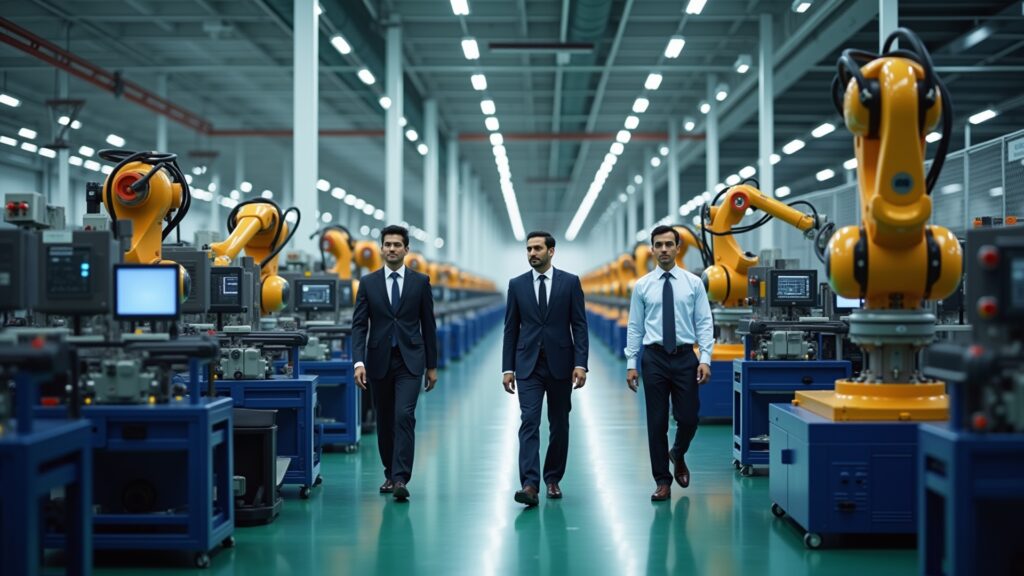
As you scale up your factory’s capacities, this amplified output signals an evolving industrial landscape where quality, speed, and integration into global supply chains become decisive. The interplay of technology and capacity creation equips manufacturers to meet diverse demands—from growing domestic consumption to fulfilling complex export orders—while enhancing flexibility and responsiveness.
Key Business and Strategic Impacts on Manufacturing and Supply Chain
- Capacity Creation and Capital Investment: Sustaining output growth depends heavily on ongoing capital expenditure to expand factory footprints and upgrade machinery. This trend suggests you should prioritize investments that enhance throughput and support advanced manufacturing processes.
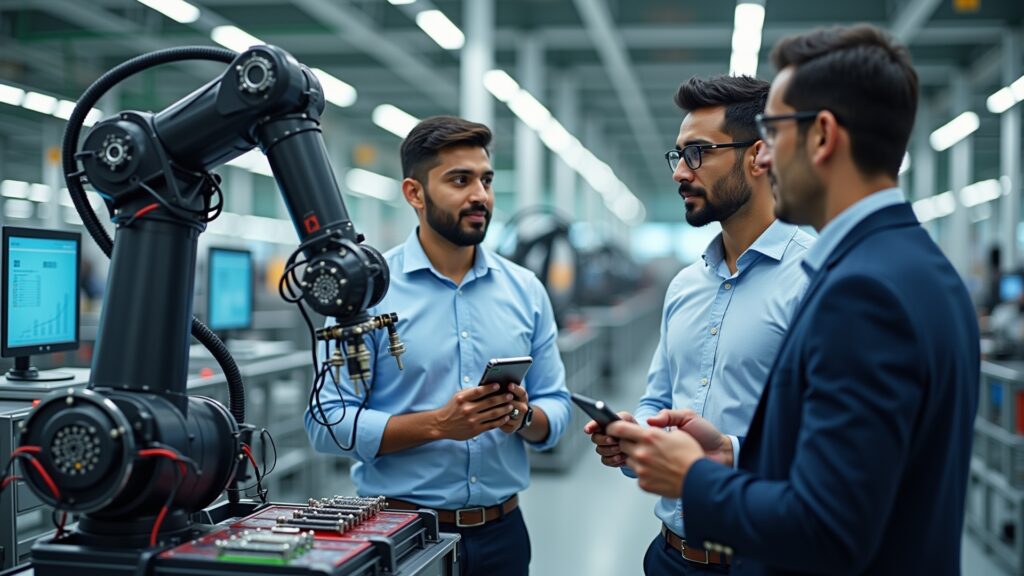
- Digital Transformation: Embedding digital technologies—including AI-driven predictive maintenance and industrial IoT—will be central to improving cost efficiency and minimizing downtime. You must assess how integrating these tools can optimize your operations and reduce lifecycle costs.
- Supply Chain Resilience and Localisation: The growing emphasis on localising inputs and reinforcing trusted supplier relationships enhances your supply chain’s responsiveness amid global uncertainty. India’s positioning as a China+1 alternative makes developing robust, localized value chains essential to competitive advantage.
- Policy Alignment and Export Strategy: Aligning your growth plans with government incentives, export promotion policies, and infrastructural support can unlock new markets and enhance profitability. Strategic navigation of these programs becomes a critical differentiator as global trade dynamics evolve.
Strategic Insights: What This Means for Your Manufacturing Leadership
Manufacturing’s lead role in industrial growth redefines how you must approach business strategy. Increasing output is not merely about scaling existing operations but about embedding deeper agility, operational intelligence, and sustainability into your factory’s DNA.
“In manufacturing, scale matters — but resilience and precision are what create durable advantage.”
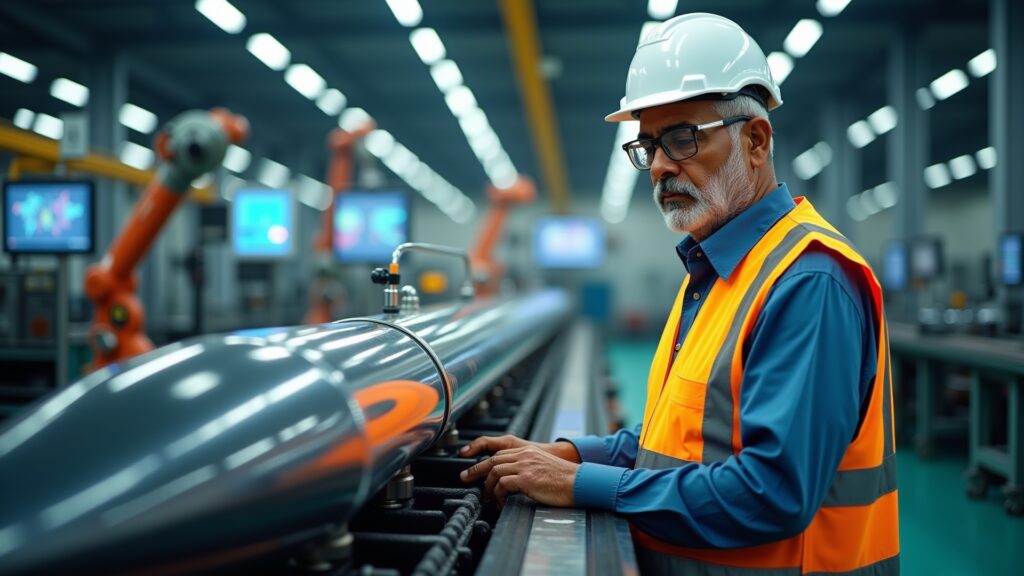
You should view automation not just as a cost-saving tool but as a foundational element that drives faster time-to-market and enhances product quality. The integration of industrial AI enables predictive insights that transform maintenance schedules from reactive to proactive, directly improving equipment uptime and operational consistency.
Furthermore, supply chain localisation isn’t just a risk mitigation tactic; it’s a strategic avenue for value creation. By forging strong supplier partnerships within India, you enhance supply reliability and reduce dependency on volatile international logistics, which directly impacts your factory’s ability to deliver on time and maintain competitive costs.
Practical Takeaways for Industrial Executives and Investors
- Prioritize investment in expanding production capacity aligned with smart factory design to maximize scale and flexibility.
- Accelerate adoption of digital technologies—particularly AI and IoT—to enhance operational efficiency and reduce costs.
- Develop a robust supplier base focused on local sourcing to safeguard against global supply chain disruptions.
- Engage proactively with government programs and export incentives for market diversification and cost benefits.
- Champion sustainability initiatives within your factory operations to secure long-term industrial resilience and investor confidence.
Expert Perspective
“The real edge is not only in producing more, but in producing faster, smarter, and closer to where demand is shifting.”
“When automation, supply-chain discipline, and execution quality align, manufacturing growth becomes far more sustainable.”
Risks and Challenges to Navigate
Despite the promising growth, you must remain vigilant to structural challenges. Capacity expansion requires substantial capital allocation, and misaligned investments can strain finances if market demand fluctuates. Digital transformation demands workforce upskilling and cultural change, which can delay benefits if not managed effectively. Supply chain localisation, while beneficial, must be balanced against cost competitiveness and quality standards.
Moreover, the evolving geopolitical and trade landscape continues to impose uncertainties. You need contingency plans to address potential export market disruptions, input cost inflation, and shifting policy priorities.
What You Should Watch Next
- Government policy updates on manufacturing incentives, infrastructure development, and export facilitation.
- Trends in industrial automation adoption and emerging smart-factory capabilities within your sector.
- Supply chain innovations focusing on sustainability and localization progress.
- Global trade dynamics, particularly those affecting India’s positioning as a China+1 alternative.
- Investment flows into manufacturing sectors prioritized for export growth and technological advancement.
Conclusion: Seizing the Momentum of India’s Manufacturing-Led Industrial Output Growth
The 5.1% jump in India’s industrial output, fueled by manufacturing, signals a transformative moment for your factory, your business strategy, and the broader industrial ecosystem. This growth represents a strategic shift toward advanced, integrated, and resilient manufacturing—one that demands you align investments, innovate through technology, and strengthen supply-chain networks. Embracing this trajectory decisively can unlock unparalleled competitive advantage for your operations and position India as a formidable player on the global manufacturing stage.
By strategically investing in capacity creation, automation, localisation, and sustainability, you ensure your manufacturing enterprise is not just part of this growth story, but a driving force behind it.