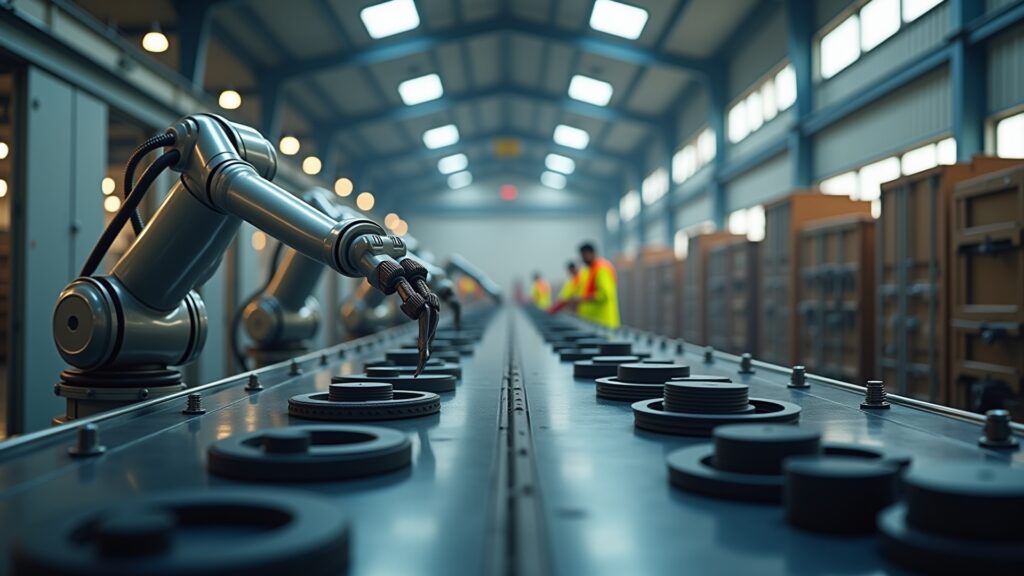
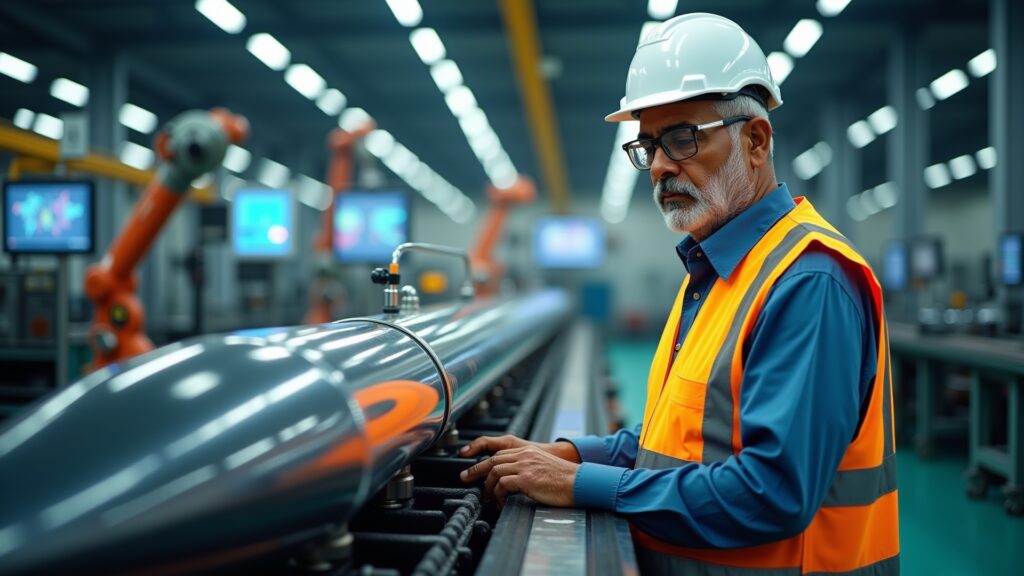
With the increasing complexity of modern production demands, you need to leverage smart manufacturing techniques to transform your job shop operations. By integrating advanced technologies and data-driven strategies, you can achieve greater efficiency, minimize chaos, and establish a reliable scheduling system. This blog post will guide you through the fundamental principles of smart manufacturing, helping you harness its potential to enhance your workflow and improve your overall productivity.
Key Takeaways:
- Implementing smart technologies can optimize scheduling and reduce downtime in job shops.
- Data analytics enables better decision-making and improves responsiveness to changes in demand.
- Integration of machinery and software systems fosters communication and enhances overall efficiency.
Understanding Smart Manufacturing
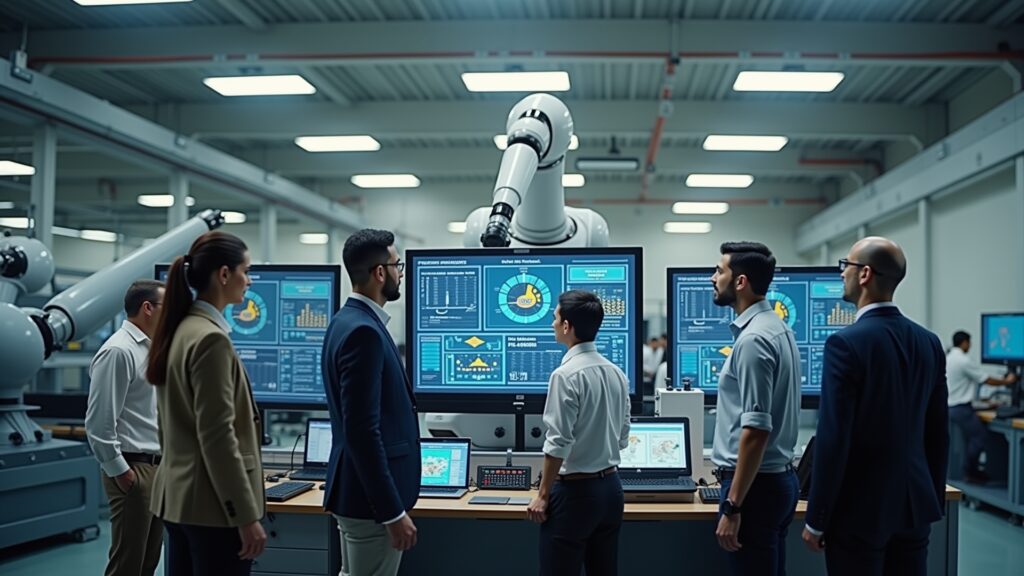
Smart manufacturing integrates advanced technologies, data analytics, and connected systems to enhance production efficiency and flexibility. By utilizing IoT devices, automation, and real-time data, you can streamline processes, reduce waste, and improve decision-making. This approach transforms traditional manufacturing into a more agile and responsive model, critical for meeting today’s market demands.
Definition and Key Concepts
Smart manufacturing encompasses a range of technologies such as the Internet of Things (IoT), artificial intelligence (AI), and automation. These elements work together to create interconnected production environments where machines and systems communicate, optimize processes, and provide actionable insights. Understanding these concepts allows you to implement solutions tailored to your job shop’s specific needs.
Benefits for Job Shops
Implementing smart manufacturing in your job shop can significantly enhance productivity, reduce lead times, and improve overall efficiency. By leveraging advanced technologies, you gain insights into production bottlenecks and resource utilization, allowing for timely adjustments. Furthermore, with enhanced scheduling capabilities, you can meet customer demands more effectively, leading to increased satisfaction and repeat business.
Consider a job shop that adopted IoT sensors to monitor machine performance. After analyzing the collected data, they identified an 18% decrease in machine downtime and a 25% boost in throughput within six months. Additionally, predictive maintenance was implemented based on real-time alerts, preventing costly breakdowns. These changes not only enhanced their scheduling reliability but also provided a competitive edge in their market. Such tangible benefits are the key reasons to embrace smart manufacturing in your operations.
Challenges in Traditional Job Shop Scheduling
Traditional job shop scheduling often leads to disorganization and inefficiencies, resulting from the intricate dynamics of multiple, overlapping tasks. The varying priorities of different jobs, coupled with limited resources and manual scheduling processes, create a chaotic environment that complicates meeting deadlines and customer expectations. You may find that adjusting schedules on-the-fly becomes a constant struggle, further exacerbating the challenges of communicating changes with your team and clients.
Common Pain Points
Within traditional job shops, common pain points include unexpected machine breakdowns, last-minute order changes, and a lack of real-time visibility into production statuses. These issues not only disrupt workflows but also lead to delays and increased costs. As you juggle multiple projects, the inability to dynamically adapt to shifts in demand can significantly hinder your operational efficiency.
Impact on Efficiency and Productivity
The inefficiencies stemming from traditional job shop scheduling can drastically hinder overall productivity levels, often leading to extended lead times and underutilized resources. When schedules are not effectively managed, valuable time is wasted as workers wait on tasks that could have been completed sooner. This stagnation not only impacts your bottom line but also strains relationships with clients who rely on timely deliveries.
By quantifying the impact, consider that a study revealed that job shops experience up to a 30% reduction in productivity due to poor scheduling practices. Machines remain idle waiting for their next job, and skilled labor may be underutilized, leading to decreased motivation and increased turnover. Implementing smart manufacturing solutions can address these challenges, ensuring seamless workflows that maximize resource allocation and enhance overall operational performance.
Implementing Smart Manufacturing Solutions
To effectively implement smart manufacturing solutions in your job shop, you must focus on adopting the right technologies tailored to your operations. This involves not only acquiring advanced machinery and software but also fostering a culture that embraces change. By prioritizing training and integration, you can streamline processes and heighten productivity, ultimately turning chaos into a stable schedule.
Technology Integration
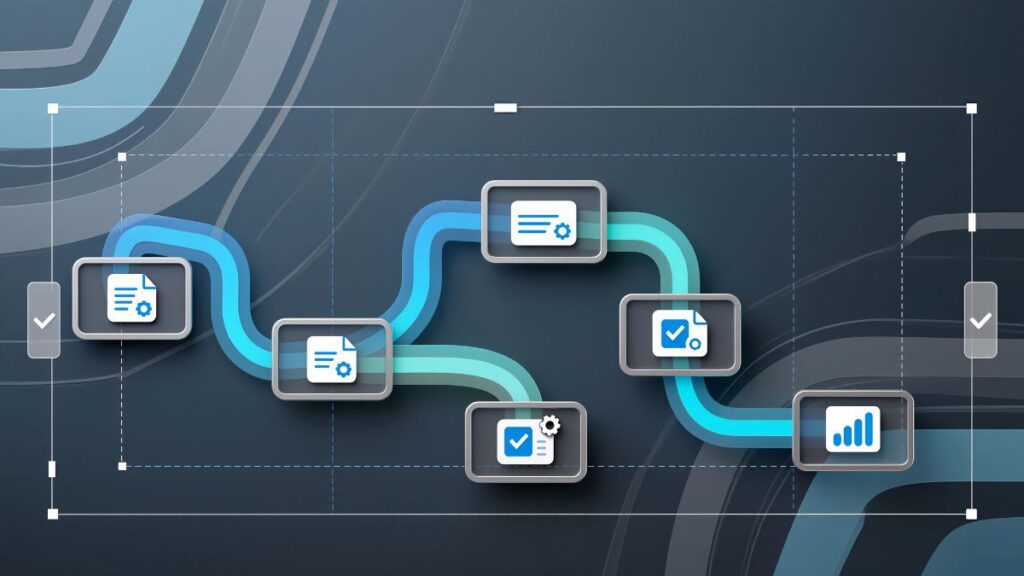
Integrating technology across your production floor is vital for achieving efficiency. Utilize IoT devices to connect machines and gather real-time data, allowing for seamless workflows. Cloud-based platforms can centralize information, making it easier for teams to access vital data and collaborate effectively on scheduling and resource allocation.
Data-Driven Decision Making
Harnessing data analytics empowers you to make informed decisions about your manufacturing processes. Real-time data insights enable you to identify trends, optimize scheduling, and predict potential bottlenecks before they disrupt production.
Data-driven decision-making allows you to leverage historical data and predictive analytics effectively. For instance, using advanced algorithms, you can analyze past production patterns and forecast future demands with accuracy. Case studies show that companies utilizing data analytics reported a 20% increase in on-time delivery and a significant reduction in lead times. This predictive capability helps you allocate resources efficiently and set realistic timelines, ensuring your job shop operates smoothly and meets customer expectations.
Real-Time Monitoring and Optimization
Utilizing real-time monitoring and optimization transforms your job shop from a reactive environment into a proactive one. By integrating smart technologies, you gain insights into workflow efficiencies, enabling adjustments to schedules and processes on-the-fly. This agility can significantly increase productivity and enhance customer satisfaction by ensuring timely delivery.
Tools and Techniques
Your toolkit for real-time monitoring should include sensors, IoT devices, and advanced data analytics platforms. These tools allow you to track machine performance, monitor resource utilization, and analyze workflow patterns in real time. Employing techniques such as predictive analytics and machine learning further refines your scheduling and operational strategies, providing a competitive edge.
Case Studies of Success
Several job shops have successfully implemented real-time monitoring, achieving impressive results. These case studies illustrate actionable strategies and the tangible benefits of embracing smart technologies.
- Company A increased production efficiency by 30% within six months of implementing IoT sensors for real-time equipment tracking.
- Company B reduced lead times by 25% through the use of predictive analytics, streamlining their scheduling processes.
- Company C achieved a 40% reduction in downtime by utilizing real-time monitoring dashboards to quickly identify and address machine issues.
- Company D improved on-time delivery performance from 70% to 90% by implementing adaptive scheduling software.
These examples underscore the profound impact of real-time monitoring on job shop performance. Each case highlights measurable improvements, demonstrating how targeted investments in technology can directly influence operational success and profitability. By leveraging these case studies, you can draw inspiration and practical insights applicable to your own job shop scenarios.
Workforce Engagement and Training
Your workforce is the backbone of your job shop’s success, and effective engagement and training are crucial for harnessing their full potential. By investing in comprehensive training programs, you enhance employees’ skill sets and foster a proactive attitude toward smart manufacturing practices. Engaging your team in the implementation process not only boosts morale but also drives innovation, resulting in a more efficient and collaborative workplace.
Preparing Employees for Change
Transitioning to smart manufacturing requires that you equip your employees with the tools and knowledge needed to adapt effectively. This means providing access to training resources, workshops, and hands-on learning opportunities that help staff embrace new technologies and processes. By proactively addressing their concerns and demonstrating the benefits of change, you can alleviate resistance and encourage a smoother transition.
Building a Culture of Continuous Improvement
Fostering a culture of continuous improvement inspires your team to seek out innovative solutions and optimize processes consistently. Encourage open communication and collaboration, where employees feel safe to share ideas and feedback. Implement regular training sessions and workshops focused on problem-solving and efficiency, making continuous improvement an integral part of your organization’s values.
Establishing a culture of continuous improvement requires commitment from both management and staff. Regularly scheduled team meetings to discuss performance metrics and project outcomes can create a shared accountability for results. Incorporating methodologies such as Lean or Six Sigma offers structured frameworks for analyzing inefficiencies and implementing changes. Organizations that prioritize these practices often experience enhanced productivity and employee satisfaction, leading to improved quality and reduced waste over time.
Measuring Success in Smart Manufacturing
Your job shop’s journey towards smart manufacturing necessitates clear metrics to gauge success. The effectiveness of implemented technologies can be determined through measurable outcomes, such as throughput, cycle time, and resource utilization. Regularly assessing these metrics allows you to understand how well your objectives align with operational performance, ensuring you remain on track for optimal efficiency and schedule stability.
Key Performance Indicators (KPIs)
Identifying your key performance indicators (KPIs) is vital for quantifying the impact of smart manufacturing initiatives. Focus on metrics like OEE (Overall Equipment Effectiveness), lead time reduction, and production waste minimization. These indicators provide a snapshot of overall performance, allowing you to make data-driven decisions to enhance production effectiveness and reduce delays.
Long-Term Impacts and ROI
The long-term impacts of implementing smart manufacturing systems extend beyond immediate efficiency gains. You can expect improved employee morale, better customer satisfaction, and a significant return on investment (ROI) over time. As workflows streamline and production cycles shorten, your job shop can take on more jobs, driving revenue and sustaining growth.
By investing in smart manufacturing, you are likely to see a compounded increase in ROI as operational efficiencies lead to cost savings and reduced waste. For instance, studies show businesses that embraced smart technologies experienced an ROI of up to 30% within the first two years. This comes from increased throughput, minimized downtime, and the agility to respond to new market demands, ultimately positioning your job shop for sustained success in a competitive landscape.
Final Words
With these considerations in mind, embracing smart manufacturing can significantly enhance your job shop’s efficiency and scheduling stability. By leveraging real-time data and automation, you can transform chaotic production processes into well-organized operations. This approach not only streamlines tasks but also allows you to respond swiftly to changes in demand, ultimately facilitating better decision-making and improved customer satisfaction. Transitioning to smart manufacturing equips you to thrive in a competitive landscape, ensuring your job shop remains adaptable and productive.
FAQ
Q: What is Smart Manufacturing for job shops?
A: Smart Manufacturing for job shops refers to the integration of advanced technologies like IoT, AI, and data analytics into the manufacturing process to enhance efficiency, reduce waste, and improve scheduling stability.
Q: How can Smart Manufacturing improve scheduling in job shops?
A: Smart Manufacturing improves scheduling by utilizing real-time data to predict job durations, optimize resource allocation, and quickly adapt to changes in production demands, thereby eliminating chaos and creating a stable workflow.
Q: What are the key benefits of adopting Smart Manufacturing in job shops?
A: Key benefits include increased production efficiency, better resource management, reduced lead times, enhanced product quality, and improved customer satisfaction through timely deliveries.