Most plant managers find themselves at a crossroads as they transition from traditional data management systems like Excel to innovative smart factory solutions. This guide will equip you with the crucial steps needed to streamline your operations, enhance efficiency, and leverage advanced technologies in your production processes. By following this step-by-step roadmap, you will be able to seamlessly integrate smart factory principles into your workflow, ensuring that your facility remains competitive in an increasingly digital landscape.
Key Takeaways:
- Transitioning from Excel to a smart factory involves integrating IoT, data analytics, and automation technologies to streamline operations.
- Change management is crucial; effective training and communication strategies facilitate a smoother shift for plant managers and employees alike.
- Invest in scalable solutions that can adapt to your specific operational needs, ensuring long-term sustainability and efficiency gains.
Understanding Smart Manufacturing
Smart manufacturing involves the integration of advanced technologies to enhance operational efficiency, productivity, and flexibility in production processes. As plant managers, embracing these innovative systems allows you to streamline operations, respond swiftly to market demands, and maximize resource utilization while ensuring quality and safety in your facility.
Definition and Key Concepts
Smart manufacturing encompasses the use of IoT, AI, big data, and automation to create interconnected systems that monitor and optimize production in real time. These key concepts enable you to gather valuable insights, predict maintenance needs, and improve decision-making processes throughout your operations.
Benefits of the Smart Factory Revolution
Your transition to a smart factory can lead to significant improvements, such as enhanced operational efficiency, reduced downtime, and improved product quality. By leveraging real-time data analytics, you can make informed decisions, optimize workflows, and foster a culture of continuous improvement within your organization.
In real terms, companies like Bosch have reported a 20% increase in productivity after implementing smart factory solutions. Additionally, Cargill has optimized its manufacturing processes, resulting in a 15% reduction in operational costs. These compelling benefits illustrate that adopting smart manufacturing not only boosts your operational performance but also positions your plant as a competitive leader in an increasingly digitized landscape.
Assessing Current Production Processes
Begin by evaluating your existing production workflows to identify inefficiencies and bottlenecks. Utilize tools like value stream mapping to visualize each step in your operations, pinpointing delays and areas where resources are underutilized. An honest assessment will help you understand how various processes interact and will serve as the basis for improvement as you transition to a smart factory model.
Identifying Areas for Improvement
Focus on specific aspects of your production process that hinder efficiency, quality, or output. Consider factors such as equipment downtime, labor allocation, or supply chain weaknesses. By quantifying these issues, you can prioritize changes and create a roadmap for enhancement that aligns with your smart manufacturing goals.
Analyzing Data Utilization
Your current data usage plays a pivotal role in manufacturing efficiency. Evaluate how you collect, analyze, and leverage data in real-time to inform decisions. This assessment will reveal gaps where data could be better utilized to streamline operations, optimize performance, and improve overall productivity.
In-depth analysis of data utilization involves examining existing data sources and methods for their effectiveness. Are you employing condition monitoring sensors to capture machine health data, or relying on periodic manual checks? Identify whether you are integrating data analytics tools to derive actionable insights from historical data. For instance, manufacturers utilizing predictive analytics have reported a 20% reduction in unplanned downtime, demonstrating the benefits of harnessing data effectively. Ensuring you maximize your data’s potential can transform your operations and guide strategic decisions in your smart factory journey.
Transitioning from Excel to Smart Tools
Shifting from Excel to more sophisticated smart tools is transformative, allowing you to streamline operations and enhance decision-making. Initially, evaluate your current processes to identify where inefficiencies exist. Then, you can explore various smart factory systems that offer real-time data analysis, predictive maintenance, and automated workflows, which significantly enhance productivity and quality control.
Choosing the Right Software
Selecting software that aligns with your plant’s specific needs is vital. Consider factors like scalability, integration capabilities, user-friendliness, and vendor support. Opt for solutions that can handle real-time data processing and have features tailored for manufacturing environments, such as inventory management and supply chain integration, ensuring a seamless transition.
Integrating Systems and Training Staff
Effective integration of new systems alongside training your staff is vital for success. This involves aligning your existing IT infrastructure with the new software while creating comprehensive training programs that empower your employees to utilize the new tools efficiently. Without proper integration and training, the anticipated benefits of transitioning to smart tools may not be fully realized.
Focusing on integrating systems requires attention to compatibility with current technologies, ensuring data flows seamlessly across platforms. Establish clear communication channels during implementation to mobilize your team and encourage buy-in. Consider phased rollouts to minimize disruptions and allow your employees to adapt gradually. Invest in hands-on training sessions, providing practical examples that demonstrate the software’s advantages in daily operations. Structured training enhances user confidence, leading to quicker adoption and improved operational efficiencies across the board.
Implementing Smart Technologies
Integrating smart technologies into your manufacturing processes involves several strategic steps that enhance productivity and efficiency. Begin by assessing your current operations and identifying key areas where automation and data-driven approaches can yield immediate benefits. This proactive approach not only modernizes your plant but also fosters a culture of continuous improvement among your teams.
Automation Solutions
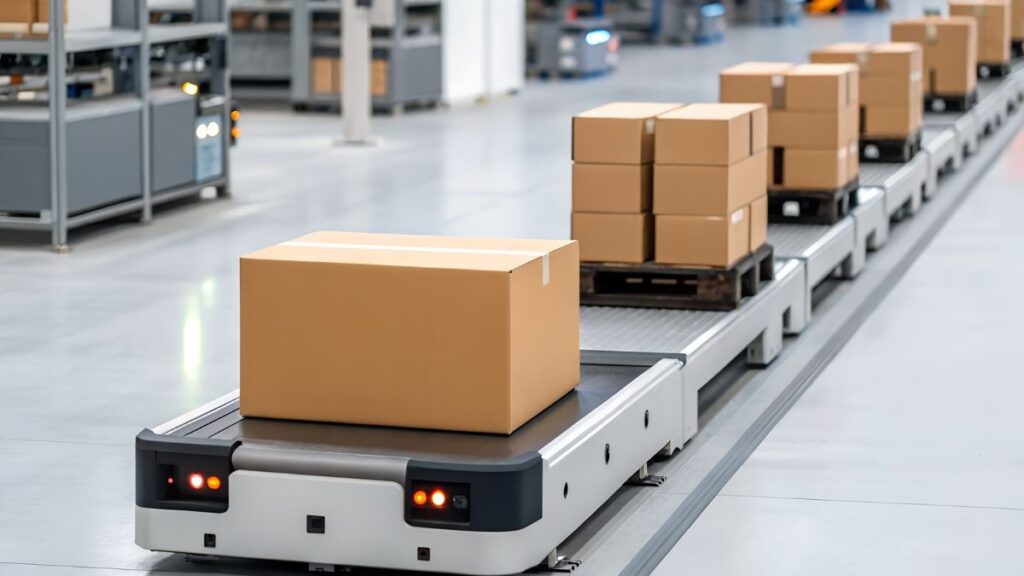
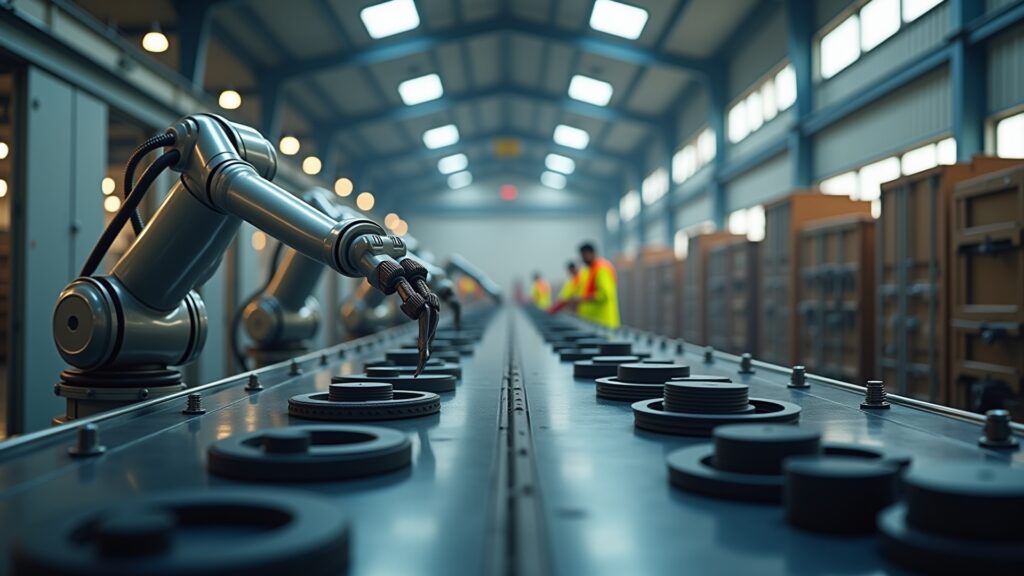
Automation solutions are pivotal in modern manufacturing. By incorporating robotics and automated systems, you can significantly reduce labor costs and minimize human error. Consider implementing robotic process automation (RPA) for repetitive tasks or using autonomous mobile robots (AMRs) to streamline material handling. These technologies simplify operations, allowing your workforce to focus on more strategic activities.
IoT and Data Analytics
The Internet of Things (IoT) and data analytics empower you to glean insights from operational data. IoT devices collect real-time data from machines, which can be analyzed to optimize performance and predict maintenance needs. This information enables proactive decision-making, improving uptime and productivity across your plant.
By deploying IoT sensors throughout your machinery and production lines, you gather valuable data that provides insight into operational efficiency and equipment health. For instance, a study showed that manufacturers utilizing IoT devices can achieve a 20% increase in production efficiency. With data analytics tools, you can analyze patterns and identify areas for improvement, transforming raw data into actionable insights that enhance overall manufacturing processes.
Monitoring and Optimizing Operations
Effective monitoring and optimization of operations are necessary for maintaining productivity and reducing waste in your plant. By leveraging data analytics and smart technologies, you can gain real-time insights, allowing you to address issues swiftly while maximizing operational efficiency. Continuous assessment ensures that your processes remain competitive, responding to changing market demands and technology advancements.
Real-Time Performance Tracking
Tracking performance in real-time allows you to monitor key metrics and operational health instantly. By utilizing dashboards and IoT sensors, you gain visibility over machine performance, production rates, and downtime, enabling you to make informed decisions rapidly. This immediate access to data can help identify trends and anomalies, facilitating proactive management of production processes.
Continuous Improvement Methodologies
Adopting continuous improvement methodologies like Lean and Six Sigma empowers you to systematically enhance your processes. These frameworks focus on eliminating waste, improving quality, and increasing efficiency by promoting a culture of ongoing assessment and adaptation. Utilizing tools such as value stream mapping and process audits ensures that you stay ahead of operational challenges.
To effectively implement continuous improvement methodologies, you can conduct regular workshops and training sessions for your team to foster a culture of innovation. Setting up cross-functional teams can also help identify areas for improvement by leveraging diverse perspectives. Moreover, utilizing data-driven decision-making allows you to quantify the impact of changes and refine your processes based on tangible results. By embracing a mindset of continuous improvement, you create an agile operation that adapts to evolving demands and drives long-term growth.
Case Studies and Success Stories
Examining real-world implementations of smart manufacturing reveals the substantial benefits many companies experience. These case studies highlight not only the transition from Excel to advanced systems but also the accompanying performance improvements and operational efficiencies.
- Company A increased production efficiency by 30% within six months by adopting an IoT-driven inventory management system.
- Company B reported a 25% reduction in downtime after implementing predictive maintenance using data analytics tools.
- Company C achieved an annual cost saving of $1.2 million through automation of quality control processes.
- Company D improved order fulfillment speed by 40% with real-time tracking and data integration across departments.
Industry Examples
Successful applications of smart manufacturing extend across various industries, including automotive, aerospace, and consumer goods. For instance, an automotive manufacturer adopted a smart assembly line, leading to a 20% increase in throughput and a significant drop in labor costs.
Lessons Learned
The transition to a smart factory is not without challenges. Key lessons from industry leaders emphasize the importance of workforce training, continuous performance monitoring, and a phased implementation strategy to ensure smooth adoption.
Investing in workforce training stands out as a vital lesson; your team must embrace new technologies to maximize benefits. Continuous performance monitoring helps in refining processes and indicates areas needing improvement. Phased implementation allows you to assess successes and challenges in manageable segments, ensuring that disruptions are kept to a minimum while transitioning your operations into a smart environment.
To wrap up
Conclusively, as you navigate the transition from Excel to a smart factory, you’ll find that each step lays the foundation for greater efficiency and innovation in your operations. By adopting advanced technologies and re-evaluating your processes, you position yourself to enhance productivity and responsiveness to market demands. Embrace this transformative journey to not only elevate your plant’s performance but also to stay competitive in a rapidly changing manufacturing landscape.
FAQ
Q: What are the initial steps for plant managers to begin transitioning from Excel to a smart factory system?
A: Plant managers should start by assessing current processes and identifying areas that can benefit from automation and data collection. Conduct a comprehensive audit of existing Excel usage, pinpoint data points critical for decision-making, and evaluate available smart manufacturing technologies that align with your plant’s objectives.
Q: How can data integration enhance productivity in a smart factory environment?
A: Data integration facilitates real-time monitoring and analysis across various manufacturing processes, enabling better communication between systems. By consolidating data from different sources, managers can quickly identify inefficiencies, optimize workflows, and make informed decisions, ultimately driving productivity improvements.
Q: What challenges might plant managers face during the shift from Excel to smart factory technologies?
A: Common challenges include resistance to change among staff, the need for new skill sets, and potential costs associated with new systems. Additionally, integrating legacy equipment with modern technologies may present technical obstacles. Addressing these challenges requires clear communication, targeted training programs, and a phased implementation strategy.