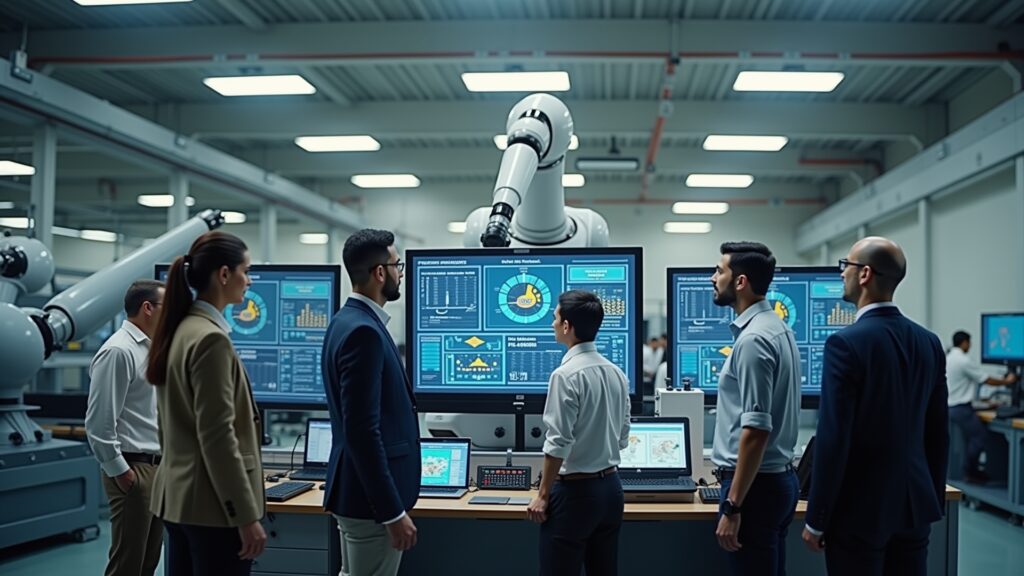
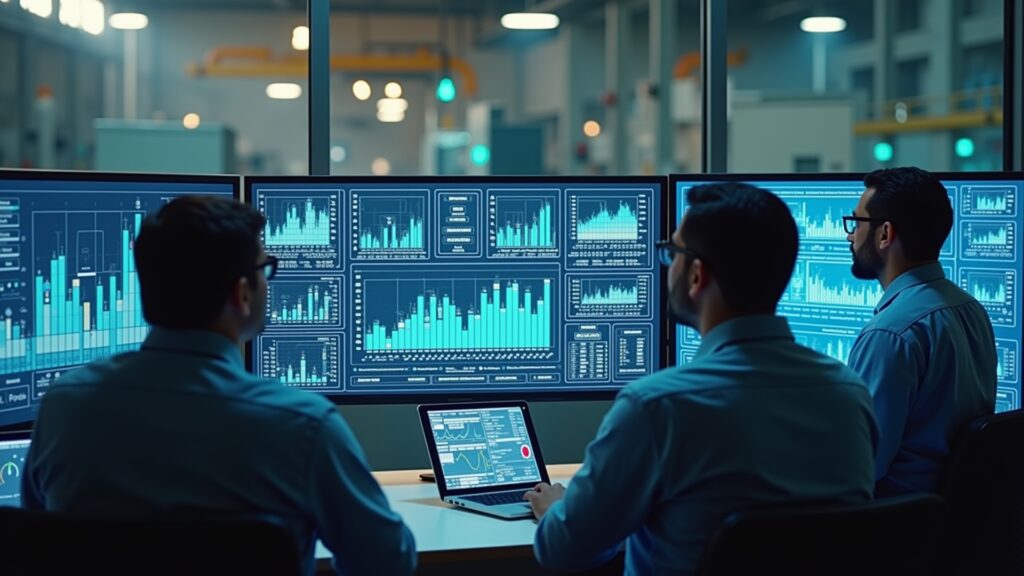
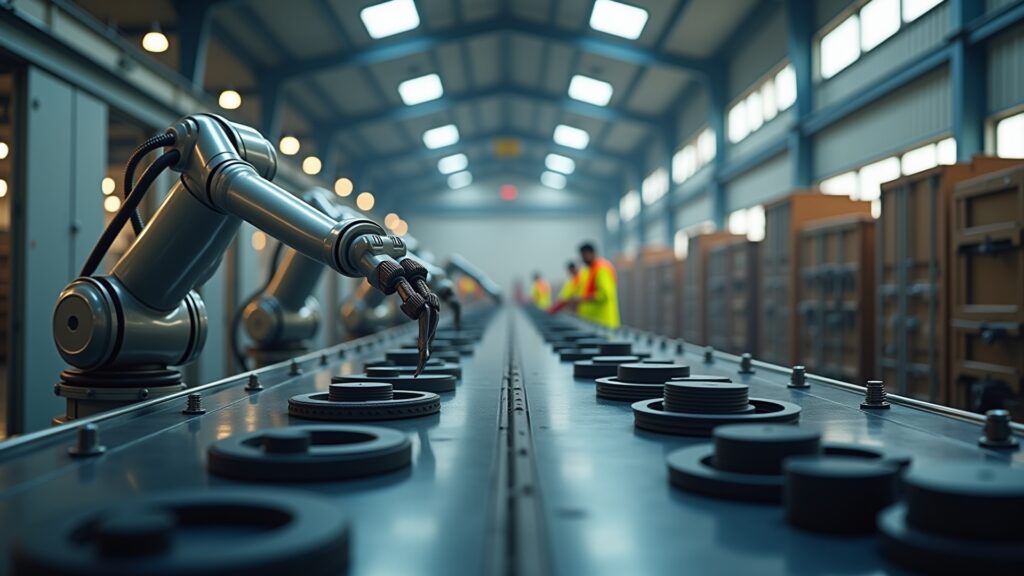
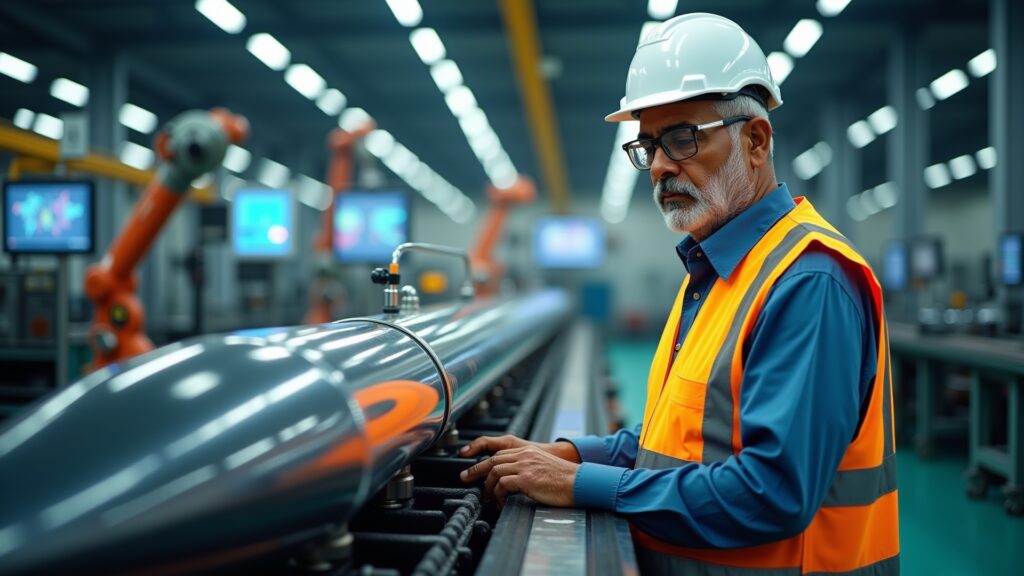
You can enhance your manufacturing processes by integrating smart technologies while maintaining the principles of lean production. Embracing Industry 0 allows you to achieve operational efficiency without sacrificing simplicity. This approach enables you to streamline workflows, reduce waste, and leverage data-driven insights, ensuring that your manufacturing practices remain effective and straightforward. By focusing on smart manufacturing strategies, you can unlock innovation and drive productivity in a way that complements your existing lean methodologies.
Key Takeaways:
- Integration of Industry 4.0 technologies can enhance lean principles, improving efficiency while maintaining simplicity.
- Data-driven decision-making leads to streamlined processes, reducing waste and operational costs.
- Balancing advanced automation with human involvement ensures adaptability and preserves the essence of lean manufacturing.
Understanding Smart Manufacturing
In the ever-evolving landscape of industrial operations, smart manufacturing emerges as a transformative approach that leverages digital technologies to enhance efficiency, flexibility, and responsiveness. By integrating IoT, AI, and big data analytics, you can streamline processes and facilitate real-time decision-making, creating a more agile manufacturing environment. This evolution not only boosts productivity but also fosters innovation, enabling you to adapt swiftly to market demands.
Definition and Key Principles
Smart manufacturing refers to the integration of advanced technologies into the production process, emphasizing connectivity, automation, and data utilization. At its core, it operates under key principles, including real-time monitoring, predictive maintenance, and the seamless flow of information across the supply chain. This interconnected approach ensures that you can optimize operations and improve overall product quality.
Benefits of Smart Manufacturing
Implementing smart manufacturing offers significant advantages, including increased operational efficiency, reduced downtime, and enhanced product quality. You can achieve a 30% boost in productivity by utilizing data analytics to anticipate equipment failures and optimize production schedules. Furthermore, the flexibility afforded by smart technologies enables rapid adjustments to changing consumer demands, ultimately giving you a competitive edge.
Beyond efficiency and adaptability, smart manufacturing fosters a culture of continuous improvement. By using data to identify inefficiencies and areas for enhancement, you empower your workforce to contribute to innovation. For instance, manufacturers adopting smart technologies have routinely reported reductions in waste and rework rates by up to 50% due to improved process visibility. This data-driven approach not only elevates the quality of your products but also cultivates an environment where employees are actively engaged in driving operational excellence. Through these benefits, smart manufacturing positions you to thrive in a competitive market while maintaining the simplicity and focus necessary for sustained success.
Lean Manufacturing Fundamentals
Focusing on efficiency, Lean Manufacturing principles streamline processes to eliminate waste and enhance productivity. By fostering a culture of continuous improvement and empowering employees to identify and solve problems, you can drive operational excellence. Lean methodologies allow you to maximize value while minimizing resources, ultimately leading to improved profitability and customer satisfaction.
Core Concepts of Lean
At the heart of Lean Manufacturing lie key concepts such as value stream mapping, flow, pull systems, and continuous improvement. Understanding these principles allows you to identify value from the customer’s perspective and optimize processes accordingly. You’ll find that focusing on what’s necessary can lead to a significant reduction in unnecessary procedures and resources.
Strategies for Reducing Waste
To effectively reduce waste, implement strategies such as Kaizen events, 5S methodologies, and Just-In-Time inventory management. Each approach encourages participation from your team, ensuring that improvements are sustainable. Additionally, utilizing technology like IoT sensors can provide real-time data to pinpoint inefficiencies, allowing for immediate corrective actions.
Incorporating Kaizen events focuses on small, incremental changes by involving employees at all levels. The 5S methodology-sort, set in order, shine, standardize, and sustain-organizes the workspace, leading to increased efficiency. Meanwhile, Just-In-Time inventory management ensures that materials arrive only as needed, reducing excess stock and associated costs. This comprehensive approach helps you create a leaner system, driving waste reduction and fostering a culture of relentless improvement.
The Intersection of Smart Manufacturing and Lean
By integrating smart manufacturing technologies with lean principles, you create a powerful synergy that optimizes processes and drives productivity. The inherent focus of lean manufacturing on waste reduction complements the data-driven insights of smart manufacturing. This integration enables a more agile response to market demands while enhancing the operational efficiency of your manufacturing systems.
Enhancing Lean Processes with Smart Technology
Smart technologies, such as IoT sensors and AI analytics, can significantly enhance your lean processes by providing real-time data that helps identify inefficiencies. This visibility allows you to proactively address bottlenecks, streamline workflows, and make informed decisions. With these tools, you can iterate quickly on your lean strategies, ensuring continuous improvement and responsiveness to change.
Case Studies of Successful Implementation
Exploring real-world examples of businesses that have successfully implemented the intersection of smart manufacturing and lean principles showcases the tangible benefits you can achieve. Companies across various sectors have harnessed smart technology to enhance their lean approaches, resulting in significant improvements in efficiency and productivity.
- Manufacturing Firm A: Achieved a 30% reduction in production time by integrating IoT devices to monitor equipment efficiency.
- Automotive Supplier B: Reduced waste by 25% and increased throughput by 40% after employing AI-driven supply chain optimization.
- Electronics Manufacturer C: Improved quality control processes, resulting in a 15% reduction in defects through predictive analytics.
- Food and Beverage Company D: Attained a 20% increase in overall equipment effectiveness using connected machinery technologies.
- Pharmaceutical Company E: Streamlined compliance processes through digital documentation, cutting review times by 50%.
These case studies illustrate the profound impact of integrating smart technologies with lean methodologies. For instance, Manufacturing Firm A’s incorporation of IoT led to not just a reduction in production time but also significantly improved worker morale due to more efficient operations. This iterative improvement through technology amplifies lean principles, enabling sustainable growth and competitiveness in a rapidly changing market.
Industry 0: The Next Evolution in Manufacturing
You’re witnessing the dawn of Industry 0, where the integration of advanced technology harmonizes with human intuition to create a seamlessly efficient manufacturing environment. This evolution shifts the focus from merely automating processes to fundamentally redefining them, fostering an ecosystem that embraces adaptability and cost-effectiveness. By leveraging real-time data analytics and artificial intelligence, you can enhance decision-making and operational agility, ultimately driving competitive advantage in your manufacturing endeavors.
Features of Industry 0
Industry 0 is characterized by its emphasis on interoperability, where machines, systems, and humans communicate fluidly. You benefit from modular production systems that can be easily repurposed based on market demand. Advanced analytics and IoT sensors provide you with real-time insights, allowing for proactive adjustments rather than reactive responses. This interconnectedness not only streamlines processes but also elevates the quality of products through continuous feedback loops.
Impact on Operations and Efficiency
The shift to Industry 0 positively impacts your operations by reducing lead times and increasing flexibility. With interconnected systems, you can swiftly respond to changes in demand, thus optimizing resource allocation. Enhanced visibility into operations allows for predictive maintenance, reducing downtime and costs. The result is a more agile manufacturing environment, where you make informed decisions that enhance productivity and sustain growth.
The implementation of Industry 0 revolutionizes operational efficiency. For instance, companies that have adopted interconnected systems report a reduction in operational costs by up to 20%. By utilizing real-time data analytics, you can identify bottlenecks and inefficiencies almost instantaneously, allowing for immediate corrective action. This proactive approach not only minimizes waste but also supports Just-In-Time production methodologies, ensuring that you produce exactly what is needed, when it’s needed, thus maximizing both space and resource utilization.
Maintaining Simplicity in Smart Manufacturing
You must prioritize simplicity as you integrate smart technologies into your manufacturing processes. By focusing on user-friendly interfaces and clear workflows, you can facilitate quick decision-making and foster employee engagement. A streamlined approach minimizes distractions from complex data and systems, ensuring that your team remains focused on value-adding activities while still leveraging advanced tools for improved outcomes.
Balancing Complexity and Usability
Tools and Techniques for Streamlined Processes
Leveraging specific tools and techniques can dramatically enhance the efficiency of your smart manufacturing processes. Technologies such as IoT sensors, machine learning algorithms, and advanced analytics streamline operations by providing real-time data insights and predictive maintenance capabilities. Additionally, incorporating methodologies like Value Stream Mapping can help you identify waste and optimize workflows, ensuring that your approach to smart manufacturing never sacrifices simplicity for complexity.
For instance, the implementation of Internet of Things (IoT) devices can offer real-time monitoring of equipment, helping you detect issues before they escalate. Machine learning algorithms can analyze historical production data to predict machinery failures, allowing timely interventions that save costs and time. Value Stream Mapping highlights bottlenecks and areas of waste, making it easier for you to target specific improvements. By adopting these technologies and methodologies, your organization can enjoy the benefits of smart manufacturing while maintaining a commitment to simplicity and efficiency.
Challenges and Considerations
As you navigate the intersection of smart manufacturing and lean principles, you’ll face numerous challenges that require careful consideration. Balancing advanced technology integration with your existing processes can pose significant difficulties, particularly when ensuring that improvements do not compromise simplicity. Moreover, the rapid pace of technological advancements means that staying ahead necessitates continual evaluation and adaptation of your strategies.
Common Pitfalls in Implementing Smart Lean Practices
You might encounter several pitfalls when implementing smart lean practices, such as over-complicating processes with excessive data or technology integration. Many organizations fall into the trap of adopting sophisticated systems without fully understanding their practical implications. This can lead to inefficient workflows, employee confusion, and ultimately, a dilute focus on lean principles.
Strategies for Overcoming Obstacles
Effective strategies for overcoming obstacles in smart lean implementation include fostering a culture of continuous improvement, engaging all employees in the transition, and utilizing pilot programs to test innovations before full-scale adoption. You should emphasize communication and training to ensure that all stakeholders grasp the benefits of both lean practices and smart technologies.
Utilizing pilot programs allows you to experiment in a controlled environment, ensuring that new technologies enhance rather than hinder simplicity. Focus on developing a culture where feedback is not only welcomed but actively sought; it provides valuable insights into what works and what does not. Regular training sessions can reinforce concepts, making sure employees feel confident and capable of navigating these changes. Moreover, tracking metrics related to efficiency and employee engagement will help you adjust strategies in real-time, further aligning your smart manufacturing initiatives with lean principles.
Conclusion
Now that you grasp the synergy between smart manufacturing and lean principles, you can apply Industry 4.0 technologies while preserving simplicity in your processes. Embrace data-driven insights to enhance efficiency without overwhelming your team or complicating workflows. By prioritizing clarity and ease of implementation, you can harness innovative solutions that align with your operational goals, driving continuous improvement and sustainability in your manufacturing environment.
FAQ
Q: What is the importance of integrating smart manufacturing with lean principles?
A: Integrating smart manufacturing with lean principles enhances efficiency by combining data-driven insights with waste reduction strategies. This synergy enables manufacturers to optimize processes, leading to increased productivity and cost savings while ensuring quality remains high.
Q: How can companies effectively implement smart technologies without disrupting existing lean practices?
A: Companies can implement smart technologies by starting with small-scale pilot projects that align with their current lean practices. Training employees on new tools and technologies is necessary, ensuring that they understand how these innovations complement and enhance their existing processes without overcomplicating them.
Q: What are the key challenges faced when adopting smart manufacturing solutions in a lean environment?
A: Key challenges include resistance to change from employees, potential complexity of new technologies, and the risk of losing focus on simpler processes. To address these issues, organizations must foster a culture of continuous improvement, provide adequate training, and maintain open communication about the benefits of smart manufacturing integration.