You stand at a crucial crossroads in India’s defence manufacturing landscape. The infusion of drone technologies isn’t just another innovation wave — it’s a strategic catalyst that can redefine your factory’s competitiveness, reshape your supply chains, and unlock new export avenues. As global uncertainties compel manufacturing units everywhere to rethink resilience and technology adoption, India’s focus on drones invites you to rethink your approach to self-reliance and industrial scale-up.
Why This Matters to You
For you, whether steering a manufacturing enterprise, overseeing factory operations, or leading supply chain strategies, the growing prominence of drone technology presents a distinct opportunity. It’s a chance to deepen localisation, gain a foothold in high-tech defence manufacturing, and enhance operational efficiencies through smart automation. Investing and innovating in drone development today positions your business not just for national security demands but for capturing emerging global markets that prize cost-effective, advanced defence solutions.
What Is Happening in India’s Defence Drone Manufacturing Ecosystem
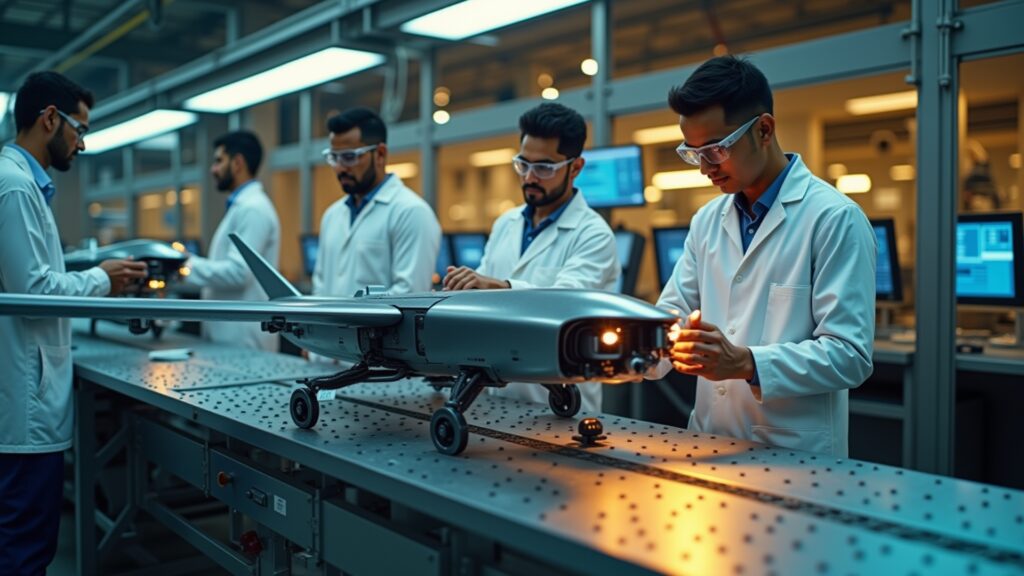
India’s defence sector is deliberately pivoting to drone technologies to reduce heavy import dependence and embed innovation within its domestic ecosystem. Aerospace and defence makers are actively pushing beyond traditional manufacturing capabilities to develop indigenous drone designs, integrate sophisticated components, and boost volume production. These efforts are aligned with government incentives such as Atmanirbhar Bharat and the Production-Linked Incentive (PLI) schemes, which aim to spur capital investment and foster a skilled workforce.
Driving Localisation and Building an Industrial Drone Ecosystem
This transition is not superficial; it is a deep industrial transformation. By focusing on homegrown design and manufacture of drones and their critical subsystems, Indian manufacturers are nurturing a complex value chain from raw materials to advanced electronics. This ecosystem development stimulates employment, raises workforce competency, and creates a robust platform for future expansions in defence technology.
Supply Chain Resilience and Export Competitiveness
In today’s geopolitical landscape, fractured global supply chains have heightened the urgency of diversification. Embedding drone capabilities into your production portfolio can protect against supply shocks and align with the China+1 strategy many companies are adopting. Moreover, it opens export pathways to nations seeking reliable, affordable defence solutions — directly supporting India’s ambitions to elevate its defence exports and become a key player in global defence markets.
Automation and Smart Factory Integration: Elevating Your Productivity
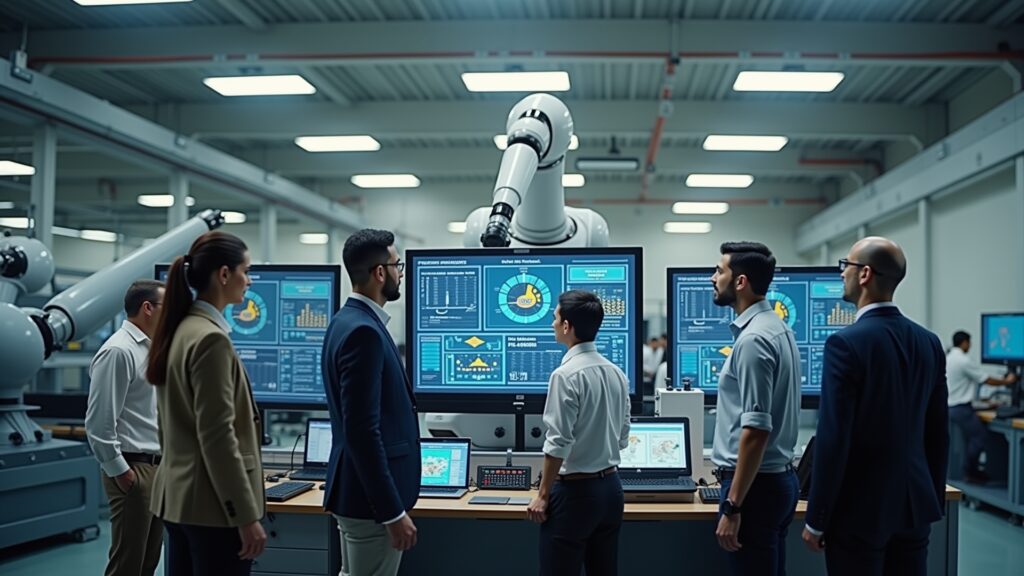
The drone segment also acts as a powerful impetus for embracing automation, industrial AI, and robotics. Your factories can harness precision engineering and predictive maintenance technologies, boosting quality assurance for sensitive drone components. This integration not only streamlines production but also sets a new benchmark for operational efficiency, cost containment, and product excellence indispensable for long-term competitiveness.
“In manufacturing, scale matters — but resilience and precision are what create durable advantage.”
Strategic Insights: Positioning Your Business for the Drone-Driven Defence Future
Consider this: drone technology integration is not merely a product upgrade; it’s a comprehensive strategic pivot. By embedding advanced manufacturing and automation in your processes, you benefit from optimized resource allocation and enhanced innovation throughput. Moving beyond assembly, your operation evolves into a knowledge-intensive hub where engineering innovation and smart factory solutions converge.
Capital allocation towards R&D and workforce skill development underpins your capacity to sustain momentum and respond agilely to evolving defence requirements and policy incentives. Strong partnerships with academia and government R&D bodies become decisive, cultivating innovations that can leapfrog existing industry standards.
Practical Steps You Should Take Now
- Focus on Indigenous R&D: Invest in developing core drone technologies and components domestically to reduce reliance on external suppliers.
- Harness Smart Manufacturing: Apply automation, robotics, and AI-driven predictive maintenance to improve quality and efficiency in drone production.
- Develop Talent Pipelines: Partner with educational institutions to build a workforce skilled in drone technology design, manufacturing, and systems engineering.
- Leverage Government Incentives: Align your manufacturing strategies with schemes like Atmanirbhar Bharat and the PLI to multiply capital and operational benefits.
- Expand Export Readiness: Tailor production capabilities to meet international standards and address emerging market demands for cost-effective defence solutions.
- Strengthen Supply Chain Resilience: Build diversified procurement and trusted supplier networks that support drone manufacturing components amidst global geopolitical volatility.
“The real edge is not only in producing more, but in producing faster, smarter, and closer to where demand is shifting.”
Risks and Challenges on the Horizon
Despite these promising pathways, you must navigate challenges that include securing technology transfers, managing sizeable R&D expenditures, and negotiating evolving regulatory frameworks. A shortage of specialized drone manufacturing talent could constrain scaling efforts unless promptly addressed. Moreover, sustaining innovation while maintaining cost competitiveness requires deft strategic management and continuous policy engagement.
What You Should Watch Next
Stay attentive to government policy updates, particularly those refining defence procurement norms and expanding incentives for drone manufacturing. Monitor advances in industrial AI and automation tools that can be adopted to enhance your smart factory capabilities. Keep an eye on emerging export opportunities in regions prioritizing cost-effective, reliable defence tech, such as Southeast Asia, Africa, and the Middle East.
Conclusion: Embracing Drone Technologies to Future-Proof India’s Defence Manufacturing
Strengthening India’s defence manufacturing through drone technologies is a strategic priority that cannot be overlooked. It offers you a pathway to heighten your operational excellence, foster localisation, and expand your global footprint — all while underpinning national security imperatives. As competition intensifies and global supply chains evolve, your proactive engagement with this sector signals visionary leadership and a commitment to building India’s defence manufacturing prowess at scale.
“When automation, supply-chain discipline, and execution quality align, manufacturing growth becomes far more sustainable.”