Marking 20 years of manufacturing operations in India, Suzuki’s journey is far more than a corporate milestone. For you — whether steering a manufacturing business, leading factory operations, or shaping supply chain strategies — it encapsulates vital lessons on how strategic localisation, industrial scale, and policy alignment can fuel long-term manufacturing success in India’s competitive landscape.
Why This Matters to You
If you’re navigating India’s manufacturing ecosystem, Suzuki’s two-decade presence offers insights into building resilience, cost-efficiency, and export readiness amidst global uncertainties. It reinforces the value of deepening local supplier networks to reduce dependency risks, scaling capacities in synchronized alignment with evolving demand, and leveraging government schemes aimed at bolstering industrial competitiveness.
The Suzuki Story: What Has Happened
From its initial commitment to India’s automotive sector 20 years ago, Suzuki has methodically constructed a robust manufacturing ecosystem. This includes extensive localisation of components, capacity expansions guided by market growth, and synergies with national industrial policies incentivizing production and exports. These efforts have positioned Suzuki as a significant anchor in India’s manufacturing landscape.
Transforming Business and Manufacturing Strategy
At the core of Suzuki’s model is strategic localisation — nurturing domestic suppliers to reduce import reliance and enhance supply chain agility. This approach has been instrumental in managing cost pressures and mitigating risks, especially amid the growing global trend of China+1 diversification.
Simultaneously, Suzuki’s capacity scaling underscores the importance of infrastructure investment to capture rising domestic consumption and international market opportunities. Notably, the collaboration with government incentives such as the Production Linked Incentive (PLI) scheme showcases how private-sector investment and policy can converge to boost manufacturing scale and quality.
Automation and Smart Factory Evolution
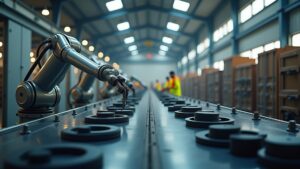
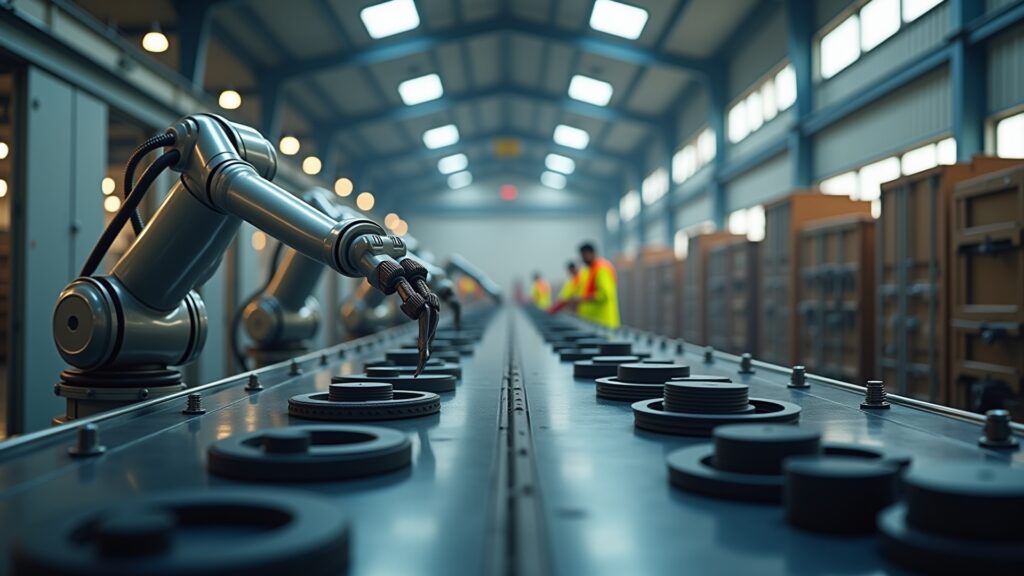
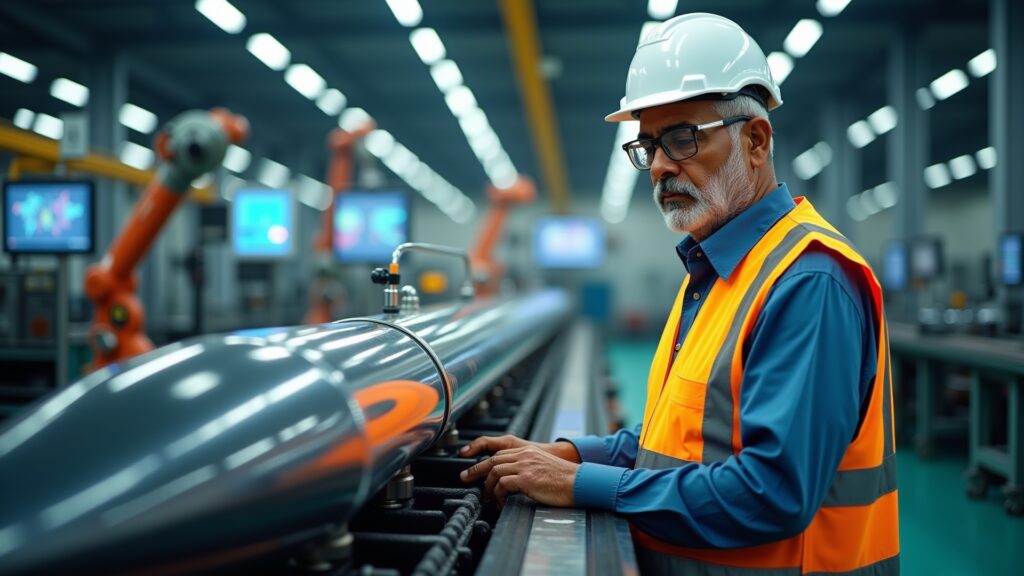
While explicit details on Suzuki’s automation investments are limited, it is consistent with industry trends for a player of its magnitude to integrate advanced manufacturing technologies. Automation, robotics, and industrial AI are critical frameworks you should consider adopting to enhance operational efficiency, ensure process quality, and sustain global competitiveness in your own plants.
Strategic Insights for Your Manufacturing Leadership
“In manufacturing, scale matters — but resilience and precision are what create durable advantage.”
Suzuki’s experience underscores that success is no longer about sheer volume. It is about smart scale combined with local ecosystem development and flexible capacity that can pivot with market shifts. You can draw from this approach to balance growth with supply chain robustness.
“The real edge is not only in producing more, but in producing faster, smarter, and closer to where demand is shifting.”
Practical Takeaways for Your Business
- Deepen Localisation: Strengthen your supplier base within India to mitigate external shocks and reduce costs.
- Invest in Scalable Infrastructure: Align capacity expansions with both domestic consumption trends and export goals.
- Leverage Government Incentives: Utilize frameworks like the PLI scheme for financial and strategic benefits.
- Embrace Automation and Smart Manufacturing: Accelerate adoption of robotics and AI to keep operational standards world-class.
- Focus on Supply Chain Resilience: Build agility to navigate global supply disruptions effectively.
Perspective on Risks and Challenges
While Suzuki’s long-term strategy offers a roadmap, replicating this success requires navigating risks such as fluctuating policy environments, evolving trade dynamics, and the capital intensity of smart factory investments. You must continuously assess these factors while maintaining operational flexibility.
What You Should Watch Next
Keep an eye on India’s evolving industrial policies, particularly incentives targeting high-tech manufacturing and export facilitation. Also monitor how pioneering manufacturers accelerate integration of sustainability and energy-efficient practices—areas poised to become decisive competitive differentiators.
Conclusion
Celebrating 20 years of manufacturing in India, Suzuki stands as a benchmark for industrial growth that blends localisation, capacity building, automation, and policy synergy. By internalizing these lessons, you can position your operations to not just survive but thrive in India’s dynamic manufacturing arena. Suzuki’s journey confirms this: enduring manufacturing leadership demands strategic foresight, operational excellence, and resilient supply chains—elements crucial for sustained global competitiveness.
Focus keyword: Suzuki manufacturing India 20 years
“When automation, supply-chain discipline, and execution quality align, manufacturing growth becomes far more sustainable.”