When you consider the latest surge in India’s Purchasing Managers’ Index (PMI) to 58.3 in April 2024, you’re looking at more than just a favorable statistic—you’re witnessing a powerful signal for the manufacturing sector’s accelerating momentum. This development isn’t merely about numbers climbing; it directly impacts your factory operations, supply chain strategies, investment outlooks, and global market positioning. Understanding this momentum is essential if you aim to navigate India’s evolving industrial landscape effectively and compete on a global scale.
Why This Matters to You
The PMI rise above the neutral mark of 50 implies expanding manufacturing activity—meaning higher output, increased new orders, and more efficient supplier performance. For anyone leading or investing in manufacturing operations, these are critical indicators that demand recovery and production scaling are underway. But it’s not just about volume growth; it’s about operational resilience and positioning your business to capitalize on shifting supply chain dynamics and emerging export opportunities.
What Is Happening: Unpacking the PMI Surge
India’s PMI at 58.3 reflects a robust expansion in the private manufacturing sector, signaling that factories nationwide are ramping up production at a strong clip. This expansion is propelled by replenished demand both domestically and globally, underscoring the sector’s capacity to adapt and grow even amid supply chain disruptions. The index highlights improvements across key metrics such as output volumes, supplier deliveries, and new order intakes—crucial for assessing real-time industrial vitality.
Key Business and Manufacturing Impacts
What does this mean for your business? First, the current growth wave calls for a strategic reassessment of your operational capabilities and supply chain frameworks. The manufacturing surge drives the need for better capacity utilization, technological upgradation including automation and digitization, and agile inventory management. Additionally, government-backed policies like the Production Linked Incentive (PLI) schemes and ongoing infrastructural investments create an enhanced environment for scaling operations and boosting export competitiveness.
Moreover, this PMI rise aligns with India’s positioning as a prime beneficiary of the global “China+1” manufacturing diversification strategy. Increasingly, global buyers and investors are turning to India to supplement or replace dependency on China-centered supply chains. Your strategic choices today will determine how well you leverage this shift.
Strategic Analysis: Navigating Growth and Resilience
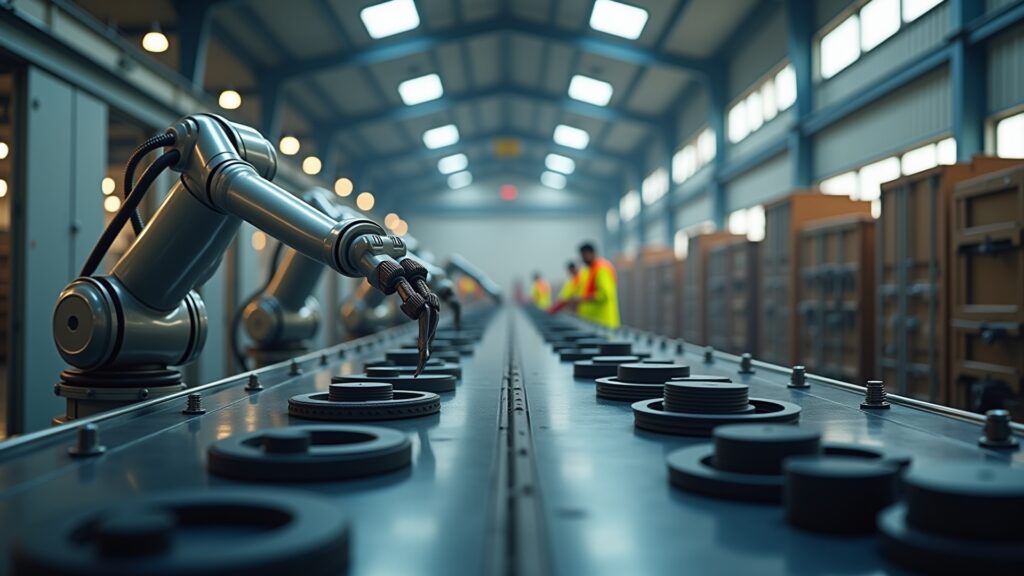
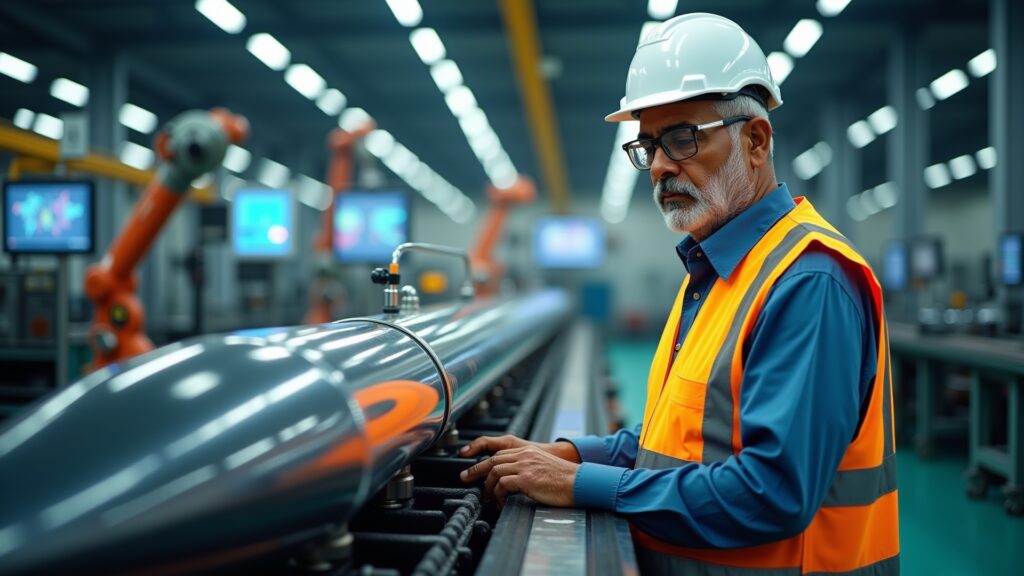
As you refine your factory and supply chain strategies, embracing automation and digital tools should be a priority. These technologies not only enhance production efficiency but also improve supply chain visibility and responsiveness, critical in volatile market conditions. Coupled with strategic localization of critical supplier bases, these initiatives strengthen resilience against global shocks.
“In manufacturing, scale matters — but resilience and precision are what create durable advantage.”
On the policy front, sustained government incentives and skill development programs will play pivotal roles in maintaining this growth trajectory. Keeping abreast of emerging industrial policies and aligning your operations with them can provide competitive advantages that last.
Practical Takeaways for Manufacturing Leaders and Investors
- Review capital allocation to prioritize investment in automation, digital supply chain management, and capacity expansions that match the rising demand.
- Strengthen local sourcing and logistics frameworks to reduce supply chain vulnerabilities and improve responsiveness.
- Monitor government incentive programs like PLI closely and integrate your business planning to leverage these for scaling and innovation.
- Consider enhanced export strategies, capitalizing on India’s growing role in global supply chains amid diversification trends.
“The real edge is not only in producing more, but in producing faster, smarter, and closer to where demand is shifting.”
Risks and Challenges to Keep in Mind
Despite the positive momentum, risks remain. Supply chain disruptions could arise from geopolitical tensions or logistics bottlenecks. Inflationary pressures on raw materials and energy costs might impact margins. Workforce skill gaps could limit the pace of technology adoption and productivity gains. Also, maintaining operational discipline in the face of rapid expansion is essential to avoid quality dips and inefficiencies.
What You Should Watch Next
Keep an eye on these developments as they will shape your strategic decisions:
- Further PMI reports and manufacturing output data for consistency of growth.
- Advancements in automation and smart factory implementations within Indian manufacturing hubs.
- Policy shifts or new industrial incentives centered on sustainability and export facilitation.
- Global supply chain realignment trends, especially the progress of the “China+1” strategy in practice.
Conclusion
The April 2024 India PMI rise to 58.3 is more than a mere metric—it’s a strategic signal that your manufacturing business must heed. It reflects both an opportunity and responsibility to upgrade capacity, embrace advanced technologies, and refine supply chain approaches to secure your market position and operational longevity. Supported by robust policy frameworks and global market shifts, this momentum positions India’s manufacturing sector on the cusp of significant transformation.
“When automation, supply-chain discipline, and execution quality align, manufacturing growth becomes far more sustainable.”
Manufacturing leaders like you who effectively interpret and integrate these signals will unlock enhanced productivity, global competitiveness, and sustainable growth in an increasingly complex industrial ecosystem.