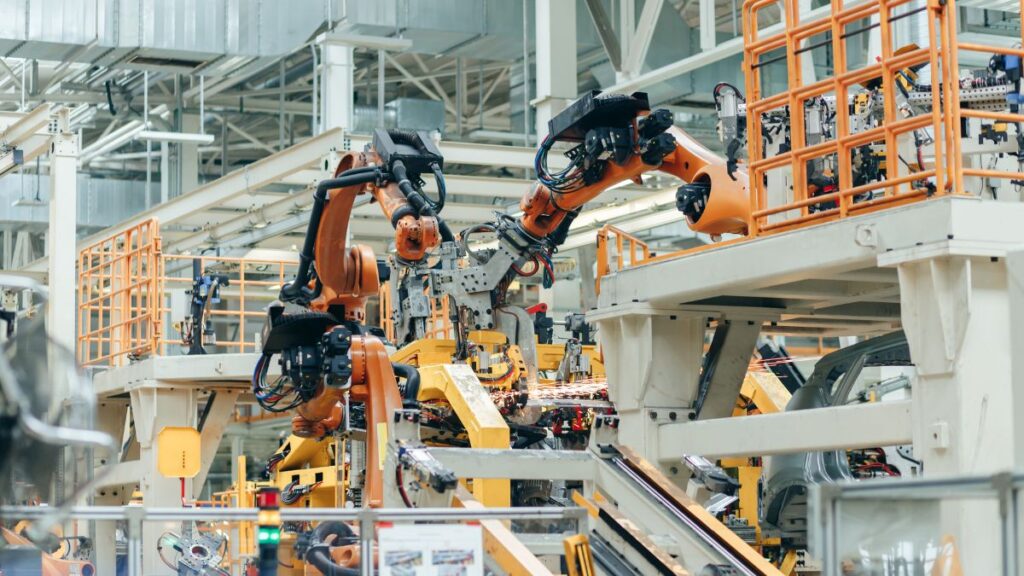
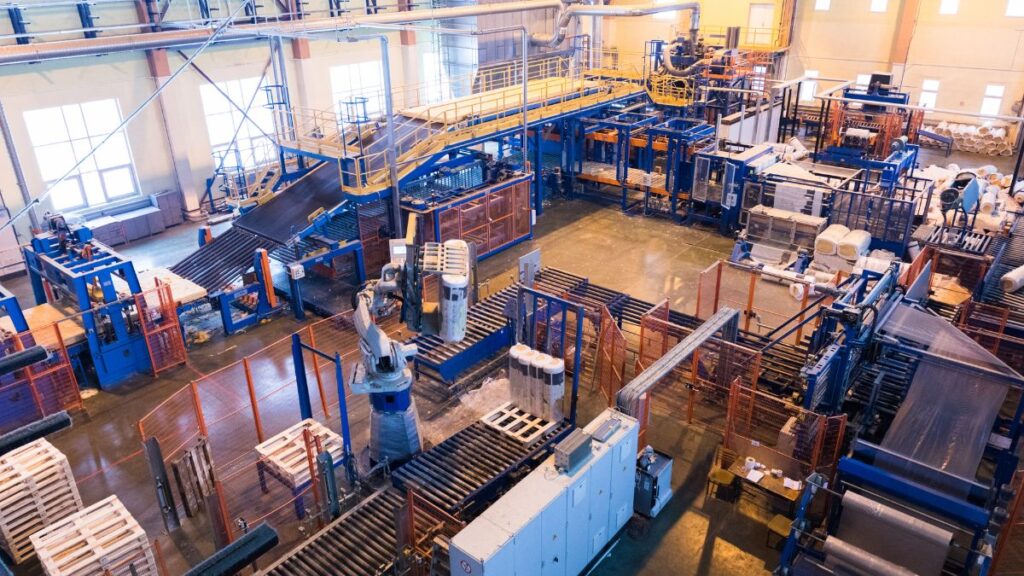
Most MSME factories find themselves competing for OEM orders in a rapidly evolving market. By embracing smart manufacturing technologies, you can enhance efficiency, reduce costs, and improve product quality, making your business more attractive to larger clients. The integration of IoT, automation, and data analytics can streamline your operations, allowing you to meet the stringent requirements set by OEMs. This post will explore how leveraging these advanced manufacturing strategies can position your factory for significant growth and success in securing valuable orders.
Key Takeaways:
- Smart manufacturing enhances operational efficiency by integrating advanced technologies, reducing production time, and minimizing errors.
- Data-driven decision-making enables MSMEs to meet OEM specifications more effectively, improving competitiveness and reliability.
- Collaboration with technology partners fosters innovation and scalability, allowing MSMEs to better align with industry standards and customer demands.
Understanding Smart Manufacturing
Smart manufacturing employs innovative technologies to optimize and automate production processes, enabling factories to operate at unprecedented levels of efficiency. By leveraging IoT, AI, and advanced analytics, this approach creates a responsive and data-driven manufacturing environment that enhances decision-making and product quality.
Definition and Key Features
Smart manufacturing refers to the integration of modern digital technologies into manufacturing processes to improve efficiency, productivity, and responsiveness to market demands. Key features include:
- Real-time data collection and analysis
- Automation of processes through robotics
- Predictive maintenance using IoT sensors
- Advanced supply chain management
- Customized production based on demand forecasting
Assume that these features come together to create a seamless flow of information across the production process, enabling smarter decision-making.
Benefits for MSME Factories
Integrating smart manufacturing can significantly benefit MSME factories by streamlining operations and reducing costs. You gain access to real-time information that helps you identify inefficiencies and optimize resource allocation.
The advantages extend beyond mere cost savings. For instance, smart manufacturing can accelerate production timelines, ensuring you meet OEM specifications without delay. Companies that have adopted such technologies often report improvements in lead times between 20% to 30%. Additionally, enhanced predictive maintenance minimizes downtime, allowing for continuous production, which is vital when catering to large OEM contracts. Leveraging data analytics, you’ll also be able to produce tailored solutions preferred by OEMs, increasing your competitiveness.
The Role of Technology in Smart Manufacturing
Incorporating technology into manufacturing processes significantly enhances operational efficiency and quality. By leveraging smart manufacturing tools, your MSME can streamline production, reduce waste, and improve product consistency. Technologies such as automation, robotics, and data analytics are not just trends; they offer tangible benefits that can elevate your factory’s performance, enabling you to meet demanding OEM standards.
Automation and Robotics
Implementing automation and robotics allows your factory to operate with unparalleled precision and speed. Automated systems reduce human error and increase production rates, often achieving cycles that surpass traditional methods. For example, factories utilizing robotic arms for assembly can increase output by up to 30%, transforming your capacity to fulfill large OEM orders consistently.
Data Analytics and IoT
Utilizing data analytics and the Internet of Things (IoT) provides insights into your manufacturing processes that were previously unattainable. By tracking machine performance and production metrics in real-time, you can make informed decisions that optimize efficiency and resource allocation. This capability enables predictive maintenance, reducing downtime and ensuring your operations remain competitive.
The integration of data analytics and IoT not only enhances real-time visibility into performance metrics but also delivers actionable insights. For instance, a study revealed that factories leveraging IoT technologies could reduce operational costs by 15% while increasing production efficiency by over 20%. This allows you to fine-tune processes, predict equipment failures before they occur, and adapt to changing market demands seamlessly. With robust data at your fingertips, strategic planning becomes much more data-driven, positioning your factory for success in winning large OEM contracts.
Streamlining Production Processes
Efficiency in production processes is crucial for winning large OEM orders. By adopting smart manufacturing techniques, you can eliminate bottlenecks, enhance communication, and optimize resource allocation. Real-time data analytics allows for immediate adjustments, ensuring that production meets demand without unnecessary delays or waste. This agility not only improves output but also positions you as a reliable partner for OEMs seeking consistency and quality in their supply chain.
Lean Manufacturing Principles
Implementing lean manufacturing principles focuses on maximizing value while minimizing waste. You can streamline your entire production process by analyzing workflows and identifying redundant steps. Techniques such as value stream mapping help you visualize processes, enabling you to make informed decisions that cut costs and enhance productivity, ultimately making your offerings more appealing to potential OEM clients.
Reducing Lead Times
Reducing lead times is crucial for meeting OEM expectations. By leveraging smart manufacturing technologies, you can significantly shorten production cycles and enhance responsiveness. This not only boosts your competitiveness but also builds trust and reliability with OEM clients who prioritize quick turnaround times.
For instance, implementing automation in your manufacturing process can reduce task duration and minimize human error, further decreasing lead times. A case study revealed that a small automotive parts manufacturer reduced their lead time by 30% simply by integrating smart scheduling software, which optimized machine usage and throughput. This sharp decrease in lead times can be the difference between winning a large contract or losing it to competitors who can respond faster. By prioritizing lead time reduction, you secure your position as a preferred supplier for OEMs.
Quality Control and Assurance
Ensuring quality control and assurance is non-negotiable in smart manufacturing, as it directly impacts your competitive edge in winning OEM contracts. Advanced technologies enable real-time monitoring of manufacturing processes, allowing for immediate detection of inconsistencies and defects. By employing data analytics and IoT devices, you can refine your production line to minimize errors, ultimately elevating the overall quality of your products and fostering trust with OEM partners.
Enhanced Product Quality
Smart manufacturing implements sophisticated quality control measures that lead to enhanced product quality. With automation and precision technology, defects are reduced, and uniformity is achieved, ensuring every item meets high performance standards. By employing AI and machine learning to analyze data from production, you can continually optimize processes, leading to consistent improvements and a reputation for excellence in product quality.
Compliance with OEM Standards
Meeting OEM standards is crucial for securing contracts and maintaining client relationships. Smart manufacturing provides the tools to ensure your products consistently adhere to the rigorous specifications outlined by OEMs. Automation, documentation, and real-time data tracking form a robust compliance framework that keeps you aligned with industry regulations and client expectations.
Your adherence to OEM compliance standards can be significantly bolstered through smart manufacturing technologies. By integrating systems that track quality metrics and standardized processes, you guarantee that your factories operate within the precise parameters demanded by OEMs. Regular audits through automated platforms can highlight non-compliance issues before they become problematic, ensuring your production remains aligned with both industry regulations and the specific requirements of your OEM customers. These practices not only enhance trust but also position you as a reliable supplier capable of delivering consistent quality over time.
Building Stronger Relationships with OEMs
Establishing robust relationships with OEMs can significantly enhance your chances of securing large orders. By prioritizing consistent communication and transparency, you position yourself as a reliable partner. Cultivating these relationships not only fosters trust but also opens doors to collaborative innovation, where your capability to meet evolving needs becomes an asset in competitive bidding processes.
Meeting OEM Requirements
Your ability to meet OEM requirements is a key differentiator in the competitive landscape. By closely aligning your production capabilities with the specifications and standards of OEMs, you not only enhance your credibility but also increase your order fulfillment rates. Consistency in quality, timely deliveries, and adherence to specifications can set you apart from your competitors.
Strategic Partnerships
Forming strategic partnerships with other manufacturers and technology providers is vital to bolster your appeal to OEMs. Such alliances can enhance your capabilities, providing access to advanced technologies and shared resources that enable you to meet OEM demands more effectively.
Enhancing your business through strategic partnerships can involve collaboration with tech startups for automation solutions or alliances with other MSME manufacturers for shared production facilities. For instance, partnering with a local tech firm can bring innovative tracking systems into your operations, ensuring timely deliveries while maintaining quality standards. By leveraging the strengths of your partners, you create a more compelling offer for OEMs, improving your competitive edge in the market.
Challenges and Solutions for MSMEs
Overcoming the hurdles of smart manufacturing requires a strategic approach for MSMEs. Limited financial resources, technological expertise, and workforce skill gaps often hinder progress. To address these challenges, you can adopt cost-effective solutions such as cloud-based technologies, seek government grants, and foster partnerships with technology providers, allowing for smoother transitions into advanced manufacturing practices.
Investment and Resource Allocation
Allocating your budget wisely can make or break your foray into smart manufacturing. Focus on investing in technologies that yield immediate returns, such as automation and data analytics, while also eyeing long-term benefits. Leveraging partnerships can reduce the financial burden, enabling you to spread costs over time and enhance your factory’s capabilities without significant upfront investments.
Training and Skill Development
Your workforce’s skills directly influence the success of implementing smart manufacturing initiatives. Investing in training ensures that your team is equipped to leverage new technologies effectively and adapt to evolving production processes. A robust training framework fosters innovation, encourages efficiency, and retains talent in a competitive market.
Training and skill development should include a mix of technical and soft skills. Offering workshops, online courses, and hands-on training sessions empowers your employees to understand and utilize smart manufacturing tools efficiently. Collaborating with educational institutions can help create tailored programs that bridge knowledge gaps. This continuous investment in your workforce not only enhances productivity but also cultivates a culture of adaptability, critical for thriving in a competitive landscape.
To wrap up
As a reminder, leveraging smart manufacturing can significantly enhance your MSME factory’s capability to secure OEM orders. By implementing advanced technologies, optimizing production processes, and improving product quality, you position your business as a competitive player in the market. This not only elevates your operational efficiency but also fosters stronger partnerships with larger OEMs, ultimately driving growth and profitability for your enterprise. Embracing smart manufacturing is a strategic move that can lead your factory to win big in a challenging landscape.
FAQ
Q: What specific technologies in smart manufacturing can MSME factories adopt to attract OEM orders?
A: MSME factories can adopt technologies such as IoT (Internet of Things) for real-time monitoring, automation to enhance production efficiency, AI and machine learning for predictive maintenance, and advanced analytics for data-driven decision-making. Integrating these technologies enables factories to improve product quality and delivery times, making them more attractive to OEMs.
Q: How does smart manufacturing improve the competitiveness of MSME factories?
A: Smart manufacturing enhances the competitiveness of MSME factories by streamlining production processes, reducing waste, and lowering operational costs. This increased efficiency allows these factories to offer more competitive pricing while still maintaining high quality, aligning with the demands of OEMs who require reliable and cost-effective suppliers.
Q: What are the key benefits of implementing smart manufacturing for securing OEM contracts?
A: Implementing smart manufacturing provides MSME factories with benefits such as enhanced flexibility in production, improved quality control, and faster response times to market changes. These advantages give factories a better opportunity to fulfill OEM requirements effectively and establish long-term partnerships.