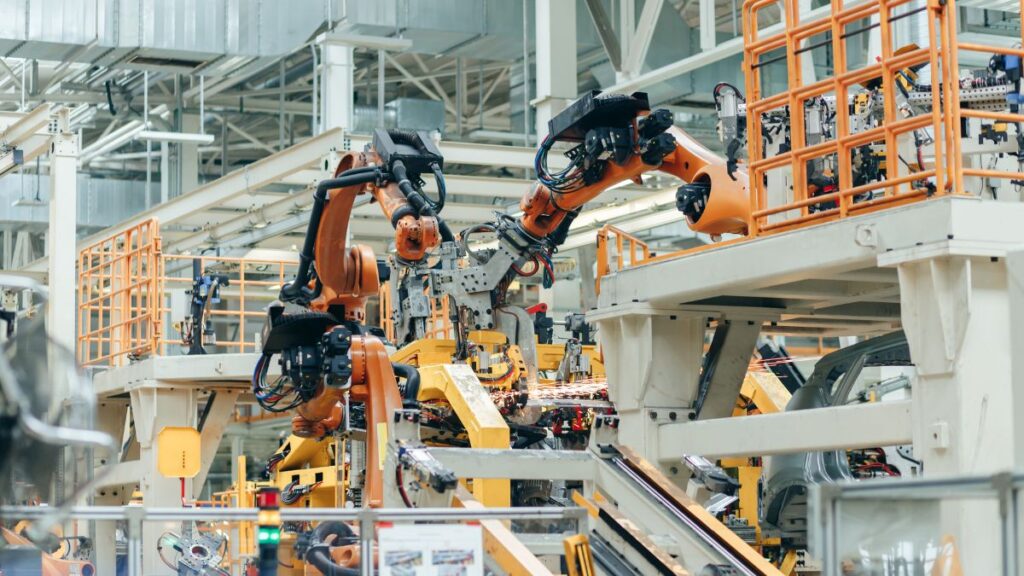
There’s a growing need for small factories to adopt smart manufacturing practices without breaking the bank. By leveraging innovative technologies and optimizing processes, you can enhance efficiency and reduce costs effectively. In this post, you’ll discover practical ideas tailored for budget-conscious small manufacturers, enabling you to modernize your operations and stay competitive in an increasingly digital marketplace.
Key Takeaways:
- Implement low-cost automation solutions to improve efficiency without significant investment.
- Leverage data analytics to optimize processes and reduce waste effectively.
- Encourage a culture of continuous improvement among employees to foster innovation and cost-saving ideas.
Understanding Smart Manufacturing
Smart manufacturing integrates advanced technologies, utilizing data and automation to enhance efficiency, productivity, and flexibility in production processes. This approach allows your factory to adapt quickly to changing market demands while minimizing waste and costs through informed decision-making.
Definition and Importance
Smart manufacturing refers to the use of connected devices, sensors, and data analytics in manufacturing processes. Its importance lies in the ability to streamline operations, enhance overall equipment effectiveness, and drive innovation. You can achieve greater competitiveness by leveraging these technologies, even on a budget.
Key Technologies and Trends
Key technologies such as the Internet of Things (IoT), artificial intelligence (AI), and big data analytics play pivotal roles in smart manufacturing. Trends include the rise of predictive maintenance, energy-efficient practices, and the use of collaborative robots (cobots) that work alongside human operators. These innovations can significantly transform your operations, making them smarter and more responsive.
IoT devices enable real-time monitoring of machinery and inventory, allowing you to make data-driven adjustments. For instance, predictive maintenance uses AI algorithms to forecast equipment failures before they occur, minimizing downtime and repair costs. Additionally, cobots can assist your workforce with repetitive tasks, enhancing productivity without substantial capital investment. With these technologies, your small factory can embrace a smarter manufacturing approach while staying cost-effective.
Budget-Friendly Smart Manufacturing Strategies
Exploring smart manufacturing strategies on a budget opens a world of efficiency for your small factory. By integrating tailored approaches, you can boost productivity and enhance your competitive edge without breaking the bank. Focus on practical solutions like utilizing your existing assets and adapting affordable automation technologies that align with your operational needs.
Leveraging Existing Resources
Maximizing your current resources can significantly reduce costs when transitioning to smart manufacturing. Assess your existing machinery, workforce skills, and facilities to identify underutilized assets. For instance, updating software systems on older machines or retraining staff on new practices can lead to improved performance without substantial spending.
Affordable Automation Options
Investing in automation doesn’t have to be expensive; you can find several low-cost options that fit your budget. Technologies like programmable logic controllers (PLCs) and simple robotic arms are more accessible than ever, often available as pre-owned equipment. Additionally, cloud-based automation solutions offer scalable platforms without hefty upfront fees, allowing you to enhance processes incrementally.
For instance, many small factories have successfully integrated low-cost robots for repetitive tasks, significantly cutting labor costs and increasing production rates. Options such as cobots (collaborative robots) can work alongside human operators, which reduces the need for large-scale replacement of staff while still enhancing productivity. Also, adopting IoT devices to monitor and manage machinery can be executed affordably with smart sensors that provide real-time data, enabling quick decision-making and proactive maintenance. Consider leveraging open-source software for managing these systems; it often comes with community support and can be customized to your factory’s unique requirements, proving that automation can indeed fit within a modest budget.
Implementing IoT Solutions
IoT solutions can significantly enhance your factory’s efficiency without breaking the bank. By connecting machines, inventory, and personnel through the Internet of Things, you can gather data in real-time, enabling informed decision-making and streamlined operations. Low-cost IoT platforms and cloud services make it feasible for small factories to harness these technologies, driving productivity and reducing downtime.
Cost-Effective IoT Devices
Investing in cost-effective IoT devices is imperative for small factories aiming to modernize. Affordable sensors, smart meters, and wireless communication devices are widely available and provide critical information on machine performance, energy usage, and maintenance needs. Brands like ESP8266 or Raspberry Pi offer budget-friendly solutions that can be easily integrated into your existing setup.
Integration with Legacy Systems
Integrating IoT solutions with legacy systems can seem daunting, but it’s vital for maximizing your investment. Many IoT platforms offer middleware solutions that act as a bridge, enabling new devices to communicate with older machinery. Adapting your legacy systems might involve using APIs or edge computing to ensure compatibility, but the payoff is worth it in terms of enhanced efficiency and reduced operational costs.
To successfully integrate IoT with your existing infrastructure, assess the current capabilities of your legacy systems to identify potential integration points. Explore options like low-cost IoT gateways which can connect older machines to modern networks without extensive overhauls. Addressing security and communication challenges early in the process will ensure a seamless transition. A well-planned integration will not only extend the life of your existing equipment but also provide valuable insights that lead to improved productivity and reduced operational costs.
Employee Training and Engagement
Investing in employee training and engagement fosters a skilled workforce ready to embrace smart manufacturing technologies. By enhancing skills and boosting morale, you can ensure that your team is prepared to adapt to changes and contribute to efficiency improvements.
In-House Training Programs
Establishing in-house training programs allows you to customize content based on your factory’s specific needs and processes. Utilizing experienced employees as trainers can enhance knowledge sharing while keeping costs low, enabling you to create a continuous learning environment that directly benefits your operations.
Building a Culture of Innovation
Encouraging a culture of innovation motivates employees to contribute ideas for improving processes and integrating new technologies. You can achieve this through regular brainstorming sessions, idea-sharing platforms, and by recognizing and rewarding innovative contributions, which promote an engaged and proactive workforce.
Fostering a culture of innovation not only boosts employee morale but also drives significant improvements in your manufacturing processes. By introducing structured programs, such as ‘Innovation Fridays’ where team members can present new ideas, or creating a suggestion box with regular reviews, you cultivate an environment where creativity thrives. This approach may lead to practical solutions that streamline operations or reduce waste, empowering your staff to become active participants in your factory’s success.
Streamlining Processes
Evaluating and refining your operational processes not only enhances productivity but also drives down costs. Streamlining involves identifying inefficiencies and optimizing workflows to ensure every aspect of production contributes to the end goal. By mapping out processes and assessing them continuously, you can easily spot areas for improvement, allowing your factory to operate smoothly and effectively while adhering to your budget constraints.
Identifying Bottlenecks
Pinpointing bottlenecks in your manufacturing flow is vital for optimizing efficiency. Start by analyzing where delays or slowdowns occur, whether due to equipment flaws, human error, or material shortages. Use data collection methods such as time studies or process mapping to visualize the workflow. Once identified, prioritize addressing these constraints to elevate your overall performance and ensure consistent output.
Utilizing Lean Manufacturing Principles
Embracing lean manufacturing principles helps eliminate waste while maximizing value in your production processes. Focus on reducing excess inventory, minimizing overproduction, and streamlining workflows. Implementing techniques such as Value Stream Mapping enables you to visualize current processes and pinpoint waste effectively. Over time, these practices not only save money but also improve product quality and lead times, ensuring your factory remains competitive.
To successfully adopt lean manufacturing principles, engage your team in continuous improvement strategies. Encourage them to identify and suggest changes that streamline processes, such as reorganizing workstations for better flow or implementing just-in-time inventory practices. Small, incremental changes can lead to significant cost savings. For instance, Toyota’s production system, renowned for its efficiency, has shown that companies can reduce lead times and enhance output quality by focusing on eliminating waste and empowering employees to drive improvements. Implementing such strategies can transform your factory’s operational efficiency without requiring a hefty investment.
Monitoring and Data Analytics
By harnessing real-time monitoring and data analytics, you can track key performance indicators (KPIs) and make informed decisions that boost efficiency and profitability. With affordable tools available, you can gather, analyze, and utilize data to optimize production processes, reducing waste and improving overall output. Implementing a structured approach to monitoring allows you to address issues proactively before they escalate, setting your small factory up for sustainable growth.
Low-Cost Data Collection Tools
There are numerous budget-friendly data collection tools ideal for small factories, such as open-source software and basic IoT sensors. These tools can be implemented without hefty investments, allowing you to start monitoring critical metrics like machine uptime, production cycle times, and energy consumption. With options like Raspberry Pi and Arduino for sensor integration, you can create an effective monitoring setup tailored to your needs, providing valuable insights without breaking the bank.
Analyzing Data for Continuous Improvement
Analyzing the data you collect is vital for fostering continuous improvement in your operations. By examining trends and patterns in your production processes, you can identify areas needing enhancement, anticipate maintenance needs, and make data-driven adjustments. This iterative approach not only refines your methods but also cultivates a culture of proactive problem-solving among your team, ultimately leading to sustained operational excellence.
Utilizing data analytics for continuous improvement means actively engaging with your findings. For instance, if you notice a consistent decline in production efficiency during specific shifts, investigate the contributing factors, such as staffing levels or equipment performance. By addressing these issues head-on, you can implement targeted changes, like additional training for workers or preventive maintenance on machines. This data-centered approach promotes a cycle of ongoing enhancements, ensuring your factory adapts and thrives in a competitive landscape.
To wrap up
Drawing together best practices in smart manufacturing allows you to enhance efficiency without breaking the bank. By integrating affordable technologies, optimizing workflows, and fostering a culture of continuous improvement, your small factory can remain competitive and agile. Focus on low-cost automation solutions, employee upskilling, and strategic data use to drive innovation while managing expenses effectively. Embrace these practical ideas to position your factory for sustainable growth in an ever-evolving market.
FAQ
Q: What are some affordable technologies that small factories can implement for smart manufacturing?
A: Small factories can consider cloud-based software for inventory management, low-cost IoT sensors for real-time monitoring, and open-source manufacturing software. These options minimize initial investment while enhancing operational efficiency.
Q: How can small manufacturers effectively use data without significant investment?
A: Utilizing free analytics tools and leveraging existing machinery data can help small manufacturers gain insights. Encouraging staff to analyze performance metrics and adopt simple spreadsheets can also enhance decision-making without heavy costs.
Q: What are practical steps small factories can take to enhance workforce skills on a budget?
A: Implementing in-house training sessions using experienced employees as mentors and utilizing online resources can improve workforce skills. Also, encouraging employees to participate in local workshops can provide valuable knowledge without high expenses.