As a manufacturing leader, you can no longer regard artificial intelligence (AI) as just a futuristic add-on or optional upgrade. It has become the defining factor for not only surviving but thriving in a fiercely competitive industrial landscape. South Korea’s recent emphasis on AI transformation is a wake-up call to the global manufacturing community—underscoring how AI-driven change is no longer a question of if but when and how effectively you execute it.
Why This Matters to You and Your Manufacturing Enterprise
Whether you helm a factory floor, manage production strategies, or steer industrial investments, the implications of AI transformation affect every dimension of your business. AI empowers you to reshape operational efficiency, build resilience into fragile supply chains, sharpen export competitiveness, and boost localisation efforts—critical pillars for sustainable, profitable growth.
Your competitors are moving rapidly to integrate AI-based predictive analytics, real-time adaptive controls, and automated quality assurance. Failing to keep pace risks not only erosion of market share but also diminished attractiveness to investors and global partners who now favour technology-advanced, AI-enabled manufacturing ecosystems.
What Is Happening in Manufacturing AI Today
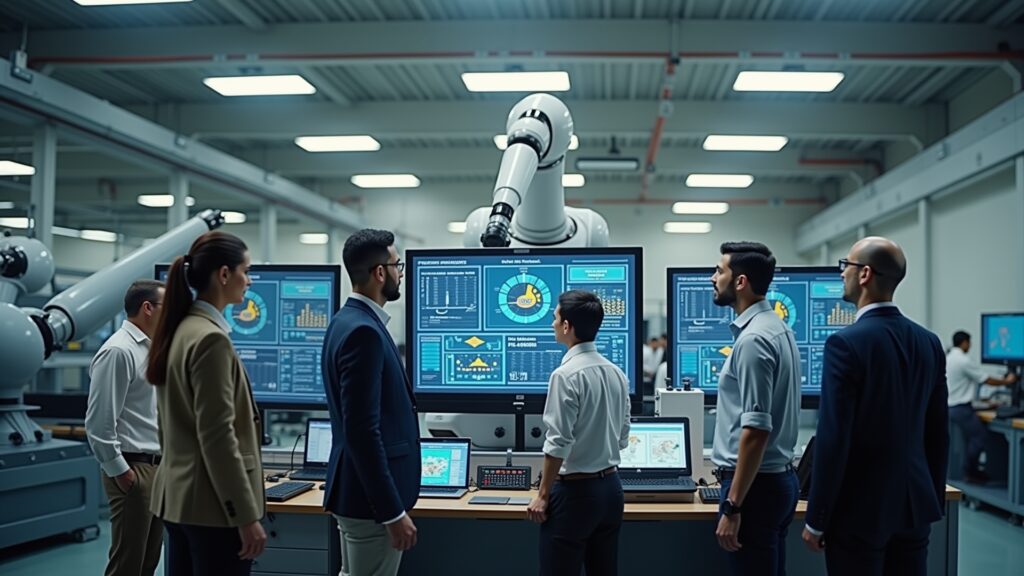
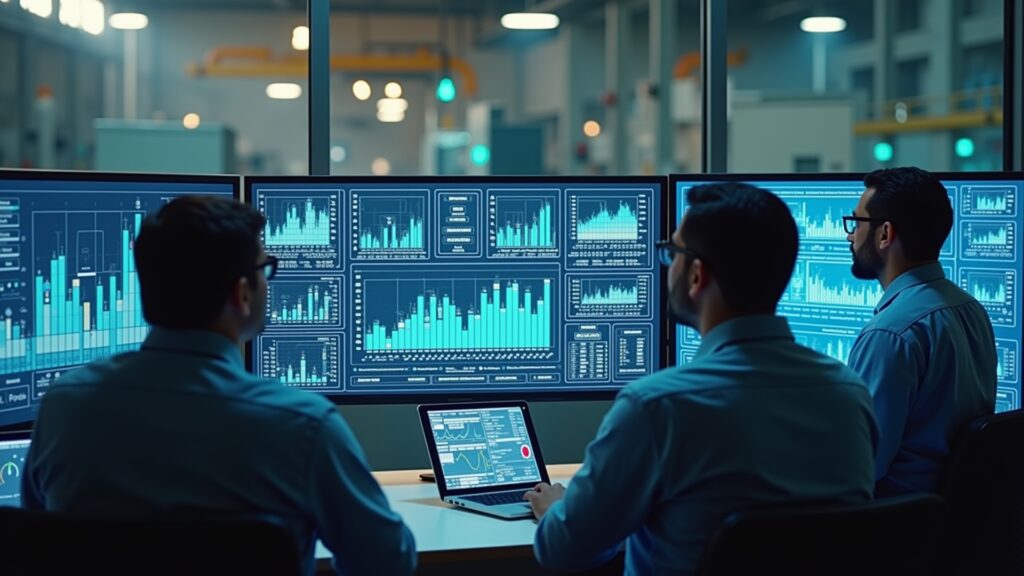
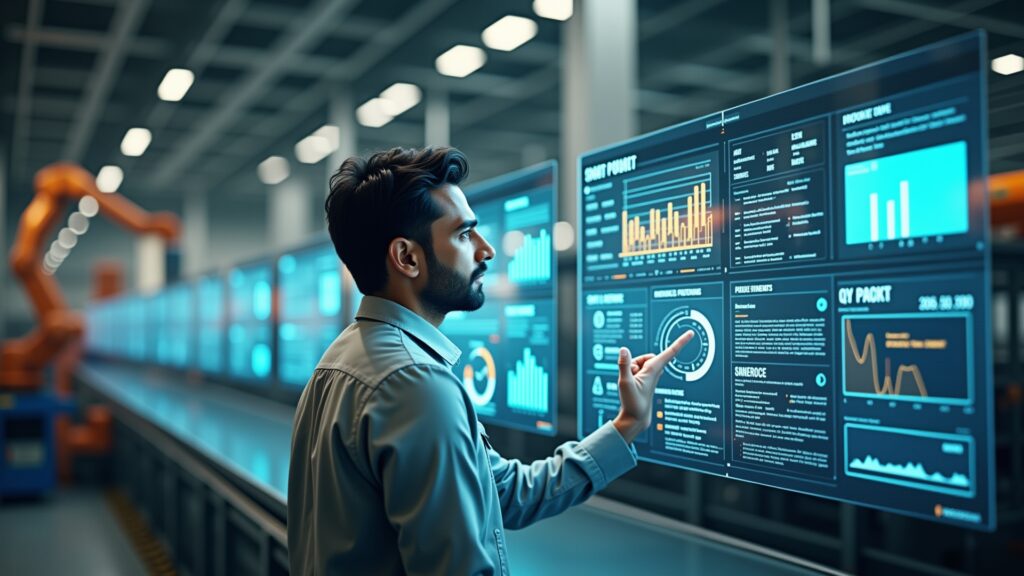
AI in manufacturing today extends far beyond the traditional automation of repetitive tasks. It is evolving into a comprehensive force multiplier. Leading manufacturers are deploying AI to forecast maintenance, optimise production schedules dynamically, and enhance quality control through machine vision and data analytics. These capabilities enable smart factories to drastically reduce downtime, cut production costs, and respond with unprecedented agility to supply chain disruptions and shifting market demands.
South Korea’s government has strategically linked AI adoption with its broader industrial competitiveness initiatives, providing policy backing and infrastructure to accelerate AI diffusion across factories. This integrative approach amplifies the impact of technological investment, creating a resilient manufacturing ecosystem that others can emulate.
Key Business and Industrial Impacts for Global Manufacturing
For you operating in India or similar emerging markets, AI transformation aligns exquisitely with national priorities like localisation, export expansion, and supply chain robustness. AI-driven manufacturing not only equips you to manage unpredictable market conditions but also strengthens your case for qualifying under production-linked incentive (PLI) schemes that reward advanced technology integration and scalable manufacturing capabilities.
This is particularly relevant as the global supply chain landscape evolves with trends like China+1 strategies and digital supply chain realignment—both demanding manufacturers to be more agile, traceable, and technologically sophisticated.
Deeper Strategic Insight: Beyond Technology to Competitive Differentiation
Implementing AI is not merely a technology upgrade; it is a strategic reorientation of your manufacturing DNA. Harnessing AI means embedding data-driven decision-making into production, logistics, quality, and workforce management. This creates a manufacturing competitive edge built on operational excellence, enhanced productivity, and smarter capital allocation.
“The real edge is not only in producing more, but in producing faster, smarter, and closer to where demand is shifting.”
Furthermore, integrating AI with robotics and industrial IoT technologies evolves your facility into a connected smart factory—a nexus of continuous improvement and innovation that prioritises not just output but adaptability and sustainability under market pressures.
Practical Takeaways: What You Should Do Next
- Evaluate your current technology infrastructure and identify how AI can seamlessly integrate into your existing production and supply chain systems.
- Invest in workforce upskilling to bridge the gap between traditional manufacturing roles and the new AI-driven requirements.
- Leverage government schemes and incentives that support AI and technology adoption to reduce capital risk and boost operational scaling.
- Focus on building data governance frameworks to ensure quality inputs and actionable outputs from AI systems.
- Stay vigilant on global supply chain shifts and position your AI strategy to enhance localisation and export-readiness.
Expert Perspective
“In manufacturing, scale matters — but resilience and precision are what create durable advantage.”
“When automation, supply-chain discipline, and execution quality align, manufacturing growth becomes far more sustainable.”
Risks and Challenges to Consider
AI transformation requires more than just purchasing technology; it demands cultural change, digital literacy, and sustained leadership commitment. Challenges you may face include workforce resistance to change, data privacy concerns, integration complexity, and the need for ongoing investment in both technology and talent development.
Mitigating these risks requires a clear change management strategy and incremental AI adoption plans tailored to your operational realities.
What You Should Watch Next in AI and Manufacturing
Keep a close eye on developments in AI-driven predictive maintenance, industrial robotics collaboration, and AI-supported supply chain orchestration. Emerging trends in policy support and government incentives will also shape the financial incentives landscape for technology upgrades. Additionally, monitor how global trade recalibrations impact your supply chain and competitive positioning, as these factors will heavily influence the ROI on your AI investments.
Conclusion
Why should you prioritize AI transformation in manufacturing today? Because it represents a strategic imperative fundamental to future-proofing your factory’s productivity, resilience, and global competitiveness. Drawing lessons from South Korea’s deliberate national strategy, you can align your technology adoption with broader industrial growth ambitions. This alignment not only mitigates operational risks but positions your manufacturing enterprise to excel on the global stage through innovation, efficiency, and agility.
Embrace AI not as a mere upgrade but as a cornerstone of your manufacturing evolution—your gateway to achieving sustainable growth and enduring market leadership in an increasingly complex industrial ecosystem.