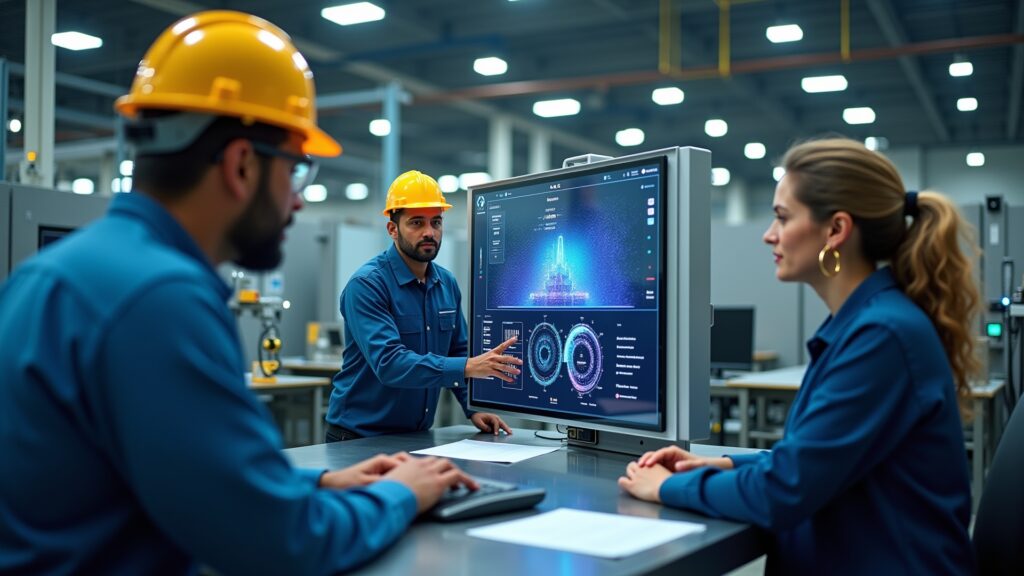
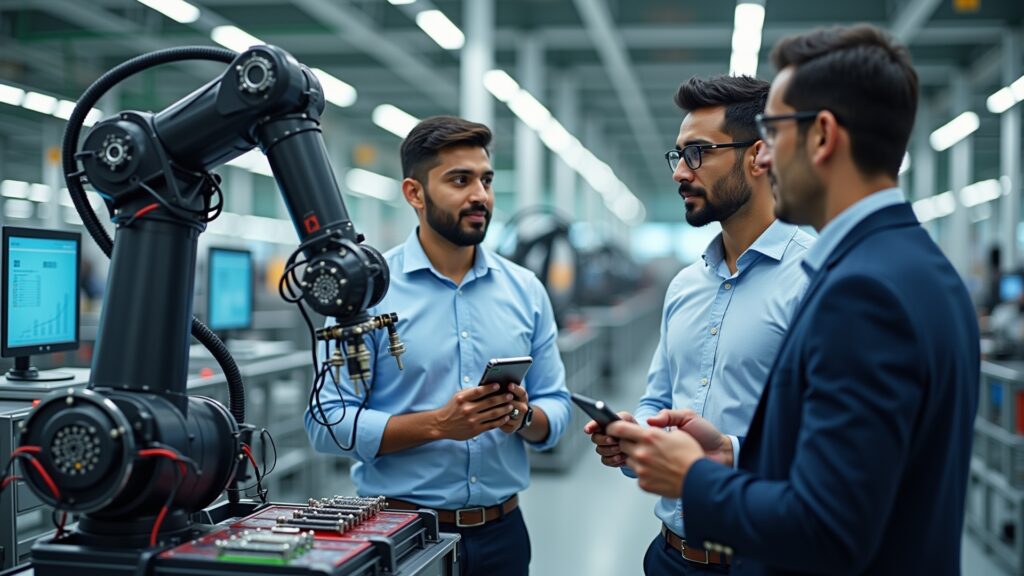
As a manufacturing leader or industrial strategist in India, you are standing at a pivotal juncture where workforce dynamics are rapidly evolving. The increasing participation of women in India’s manufacturing sector is not just a social milestone but a strategic lever that can define your factory’s future competitiveness, operational resilience, and innovation capacity. Understanding this shift and harnessing its full potential is essential if you want to secure a sustainable growth trajectory for your industrial venture in a globally competitive landscape.
Why This Workforce Transformation Matters to You
Your factory’s productivity, agility, and global positioning depend on the quality and diversity of your workforce. Historically, India’s manufacturing sector has been predominantly male-dominated, but this is changing fast. By actively integrating women into your labor pool, you gain access to a talent segment that brings new perspectives, leadership styles, and problem-solving approaches. This diversification is crucial not only for boosting day-to-day operational efficiency but also for fostering innovation in automation, robotics, and smart factory practices.
Furthermore, from a workforce strategy viewpoint, the inclusion of women directly addresses the acute talent shortages that constrain capacity expansion and limit scalability. With geopolitical shifts prompting supply chain realignments and the government’s focus on self-reliance through initiatives like Make in India, expanding your labor pool by attracting and retaining women is a decisive competitive advantage.
What Is Happening in India’s Manufacturing Workforce
Indian manufacturers are embracing gender inclusivity, supported by forward-thinking policies and programs aimed at skill development and industrial incentives. These efforts synchronize with national objectives of boosting export capabilities and creating a self-reliant manufacturing ecosystem. The workforce shift sees women gradually penetrating not only routine factory roles but also technical and supervisory positions in advanced manufacturing, precision engineering, and industrial automation.
This transformation is fueled by a broader recognition that gender-diverse teams enhance workplace dynamics—improving communication, collaboration, and operational discipline. As a result, factories implementing inclusive hiring frameworks are observing smoother production flows, improved quality outputs, and stronger adherence to compliance and sustainability standards.
Key Business and Policy Implications
For you as a factory head or industrial investor, understanding the policy landscape supporting women’s workforce participation is critical. Government incentives linked to skill enhancement, employment generation for women, and ESG compliance render gender inclusion a business imperative rather than merely a social obligation. This enhances your plant’s eligibility for certifications crucial in global supply chains and export markets.
Integrating women into your production lines and leadership pipelines elevates your supply chain’s robustness. A balanced workforce composition reduces risks of labor shortages and disruption, particularly crucial amidst global supply chain volatility. Moreover, companies that prioritize gender diversity stand to improve their Environmental, Social, and Governance (ESG) ratings, increasingly attracting sustainability-driven capital.
Strategic Insight: How to Leverage This Shift
Investing in the reskilling and upskilling of women employees aligns perfectly with the Industry 4.0 paradigm shaping modern factories. Artificial intelligence, robotics, and smart manufacturing demand adaptable, diverse talents that can innovate and enhance operational agility. By positioning women at the forefront of this industrial evolution, you deepen your factory’s innovation capacity and build a workforce ready to meet technological disruption head-on.
Strategically, consider embedding gender diversity targets in your HR and operational KPIs. Integrate mentorship and career advancement programs tailored to women’s unique challenges in industrial roles. This will not only retain talent but also build future-ready leadership crucial for scaling operations efficiently.
Practical Takeaways for Manufacturing Leaders
- Recognize women workforce participation as a strategic growth lever—not just a compliance checkbox.
- Develop targeted recruitment policies to attract women into technical, supervisory, and leadership roles.
- Invest in continuous skill development, focusing on advanced manufacturing technologies and industrial AI.
- Monitor government incentives and industrial policies promoting gender-inclusive employment to maximize benefits.
- Enhance workplace infrastructure with a gender-inclusive design to foster employee well-being and productivity.
- Leverage gender diversity to improve supply chain resilience and ESG compliance for better investor attractiveness.
“In manufacturing, scale matters — but resilience and precision are what create durable advantage.”
“The real edge is not only in producing more, but in producing faster, smarter, and closer to where demand is shifting.”
Challenges and Risks to Navigate
While the momentum for women’s participation is growing, you should be aware of challenges such as cultural resistance, gender bias, and gaps in industrial skill sets that could slow progress. It’s imperative to implement inclusive workplace policies, prevent harassment, and create supportive environments that encourage women to thrive. Additionally, investing in foundational education and vocational training tailored toward manufacturing is essential to ensure a ready pipeline of women talent.
What You Should Watch Next
Keep a close eye on evolving government programs tied to Atmanirbhar Bharat and local labor reforms promoting inclusive hiring. Watch how Industry 4.0 deployments in Indian factories create new roles requiring diverse skill sets. Tracking global supply chain shifts will also reveal how gender-diverse manufacturing teams can excel in meeting demands for flexibility, quality, and sustainability.
Conclusion: Harnessing Women Workforce Participation for India’s Manufacturing Leap
Your role as a manufacturing leader or investor in India involves more than scaling production—it requires building an agile, innovative, and inclusive workforce ecosystem. Women workforce participation in Indian manufacturing is a critical catalyst for this transformation. By embracing this shift, you not only enhance productivity and operational excellence but also position your business for global competitiveness, supply chain resilience, and sustainable growth in the next industrial era.
Seize this moment to redefine your factory strategy and investment outlook—anchored in the undeniable business case and policy environment that prioritize women as key partners in shaping India’s manufacturing future.
“When automation, supply-chain discipline, and execution quality align, manufacturing growth becomes far more sustainable.”