The global solar manufacturing industry is witnessing an extraordinary surge, driven by urgent climate commitments and soaring renewable energy demand. As you chart your manufacturing strategy or investment roadmap, understanding the quality assurance challenges surfacing in this boom becomes critical. These challenges do not just shape product reliability, but ripple across your supply chain resilience, export potential, and India’s stature as a manufacturing powerhouse on the global stage.
Why This Trend Demands Your Attention
As solar manufacturing capacities expand rapidly worldwide, inconsistencies in product quality have emerged as a significant risk factor. If your factory or portfolio overlooks these quality assurance gaps, you may find your operations burdened by higher warranty costs, compromised customer trust, and weakened competitiveness—both domestically and internationally.
For you as a plant leader, supply chain head, or policymaker invested in India’s industrial ascent, prioritizing quality in your solar production ecosystem isn’t optional. It is a strategic imperative that can make or break India’s ability to capture export contracts, attract global capital, and embed sustainability into its industrial fabric.
What Is Driving Quality Challenges in Solar Manufacturing?
The rapid scaling of solar panel and component manufacturing means production lines are often evolving faster than the quality control systems designed to monitor them. As countries race to meet renewable energy targets, new entrants, and capacity expansions sometimes struggle to maintain uniform quality standards.
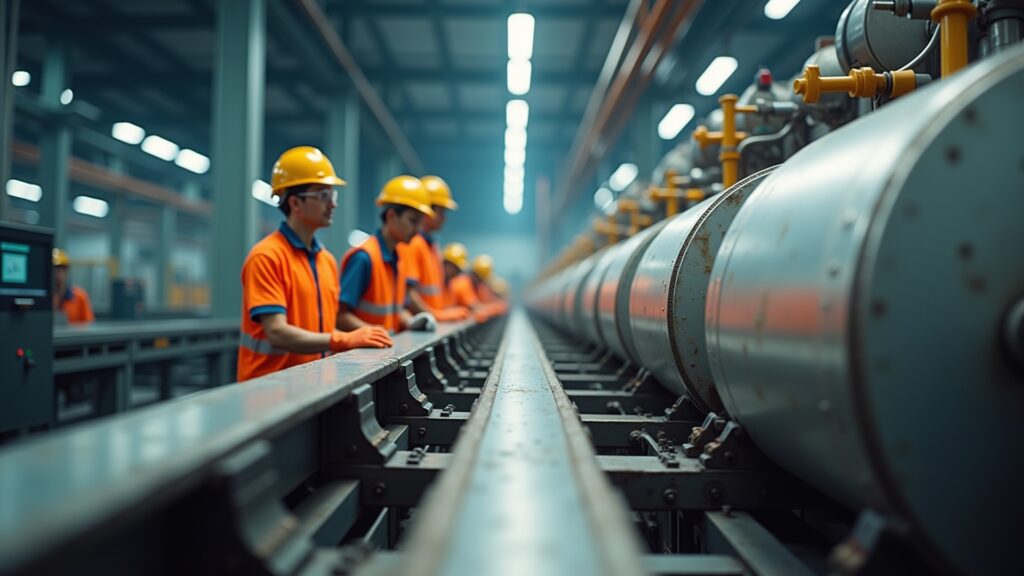
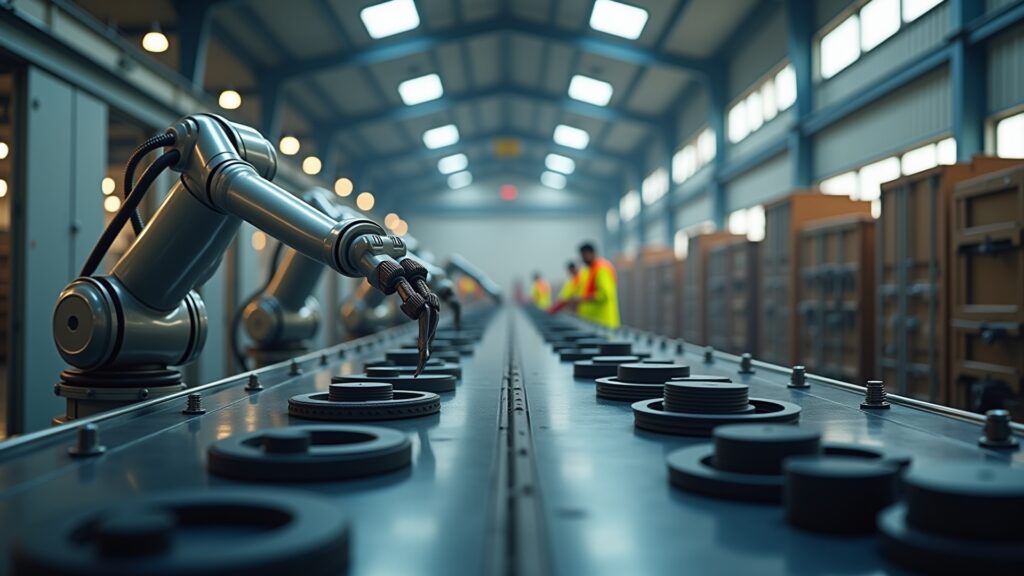
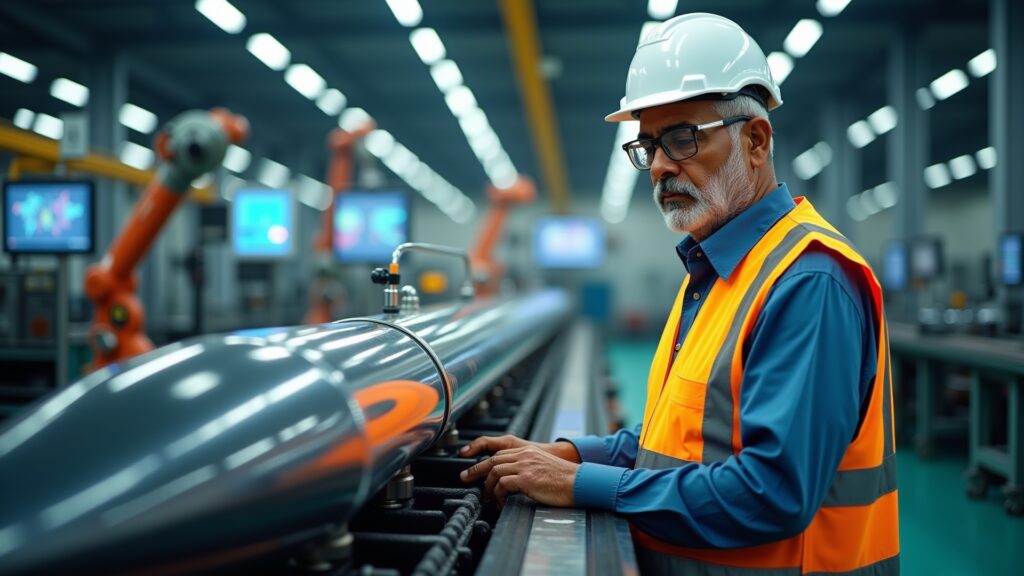
This dynamic creates a landscape where defects, variability, and installation issues can become systemic without swift industrial responses. Quality assurance must therefore move beyond traditional inspection and embed automated, AI-enabled monitoring to detect deviations in real time.
The Industrial Impact: From Factory Floors to Global Supply Chains
When quality inconsistency becomes widespread, the downstream effects can be profound:
- Supply chain disruption: Defective solar components cause delays and costs in installation, frustrating partners and end customers.
- Increased warranty and rework expenses: Manufacturing errors translate into unsustainable expense burdens, undermining profitability.
- Competitive disadvantage in exports: Global markets demand rigorously tested, certified panels that meet higher standards than domestic markets.
These issues highlight why automation, robotics, and industrial AI-driven quality management systems aren’t just optional upgrades but strategic necessities. They boost process stability, reduce defect rates, and enhance traceability—cornerstones for building customer confidence and scaling operations at global standards.
Strategic Insights: Embedding Quality as a Growth Lever
In your expansion or operational improvements, embed quality management at the core. Integrating digital quality monitoring and predictive maintenance technologies can:
- Enable early detection of deviations, preventing costly downstream defects.
- Optimize resource use and reduce waste, advancing productivity and sustainability goals.
- Enhance real-time data insights for continuous process improvements.
These approaches align strongly with India’s policy frameworks like Make in India and production-linked incentives (PLI), which emphasize scalable, competitive manufacturing capacity that meets stringent quality norms.
“In manufacturing, scale matters — but resilience and precision are what create durable advantage.”
“The real edge is not only in producing more, but in producing faster, smarter, and closer to where demand is shifting.”
Critical Practical Takeaways for Manufacturing Leaders and Investors
- Prioritize investment in automation and industrial AI: These technologies stabilize quality and create sustainable manufacturing advantages.
- Develop capabilities in digital quality monitoring: Real-time defect detection radically improves operational efficiency.
- Engage with policymakers to strengthen quality certification and testing frameworks: Collaborative approaches ensure reliability and export-readiness.
- Focus on workforce skill enhancement: Technical proficiency enables effective adoption of smart manufacturing systems.
- Build traceability and transparency in your supply chains: This supports trust and compliance with international standards critical to export success.
“When automation, supply-chain discipline, and execution quality align, manufacturing growth becomes far more sustainable.”
Risks and Challenges Ahead
The solar manufacturing landscape is intensely competitive, and quality challenges pose real risks to business viability. Flawed products can damage brand reputation and lead to costly recalls. Additionally, gaps in quality may discourage foreign direct investment or delay India’s timeline to become a global export hub.
You must also be vigilant about workforce readiness to operate advanced technologies and continuously upgrade factory processes to avoid falling behind competitors who master these quality imperatives.
What to Watch Next in India’s Solar Manufacturing Sector
Keep a close watch on developments in policy incentives tied to quality benchmarks, innovations in manufacturing automation, and the establishment of new testing and certification labs. Monitor successful case studies of digital quality integration and how export volumes respond to tightening standards globally. These signals will indicate how well India navigates through these quality assurance challenges and claims its position in the global solar supply chain.
Conclusion: Quality Assurance as a Keystone for Sustainable Industrial Growth
The ongoing quality assurance challenges amid the global solar manufacturing boom are not mere technical issues—they are decisive strategic battlegrounds. For your manufacturing enterprise or investment portfolio, placing quality assurance at the forefront will elevate operational excellence, reduce risks, and unlock greater export potential.
India’s ambition to become a solar manufacturing leader depends on this critical focus, intertwining industrial policy, technology adoption, supply chain resilience, and workforce empowerment. By embracing automated quality controls, industrial AI, and cooperative industry frameworks, you can drive a competitive, resilient solar sector that supports broader manufacturing and energy transition goals.
In your role as a manufacturing or industrial leader, addressing these quality challenges proactively is fundamental. It shapes not only your factory’s immediate performance but also the long-term trajectory of India’s manufacturing competitiveness and global industrial stature.