The manufacturing landscape is shifting beneath your feet, and India’s rapid evolution from a traditional production base to a strategic manufacturing and skills hub is reshaping global industrial competitiveness. If you lead a factory, oversee supply chains, manage manufacturing investments, or influence policy, understanding this transformation is critical to future-proofing your business and unlocking new opportunities in global markets.
Why This Shift in India Should Command Your Attention
Your manufacturing strategy doesn’t exist in isolation. It integrates with global supply chains, talent pools, and market dynamics. India’s transformation is not just about increasing output; it’s about creating a resilient, innovation-driven ecosystem where advanced skills, automation, and localisation converge. This means more reliable supply operations for your business, access to a skilled workforce primed for Industry 4.0, and a government backing that reduces your operational and investment risks.
In a world where supply chain disruptions and geopolitical uncertainties are the norm, India’s growing manufacturing and skills capabilities offer you an alternative that balances scale with agility and quality with cost-efficiency. Incorporating India into your global manufacturing footprint could well be the strategic move that drives your competitiveness ahead of peers relying on traditional hubs.
India’s Strategic Manufacturing Evolution: More Than Just Capacity
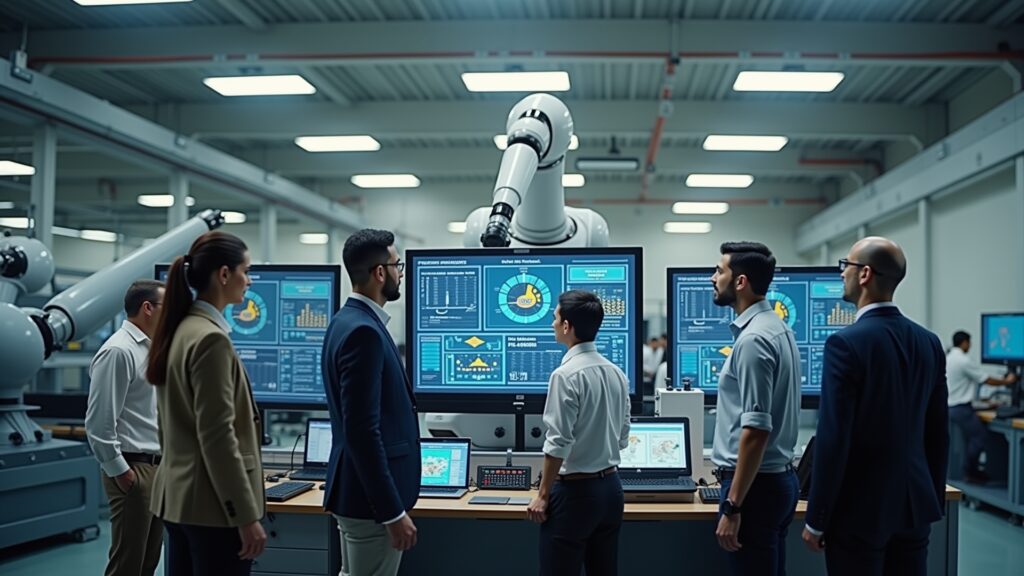
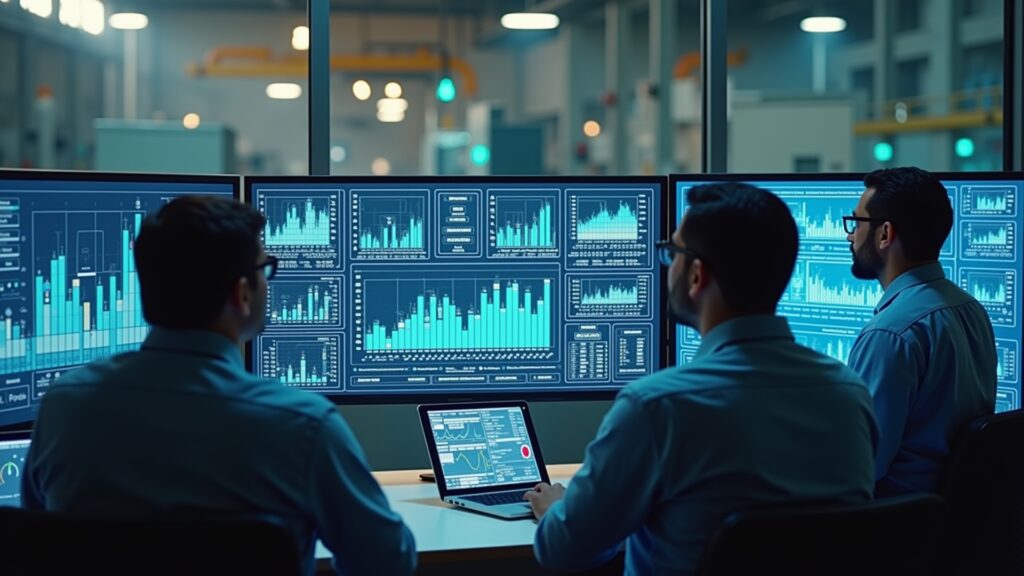
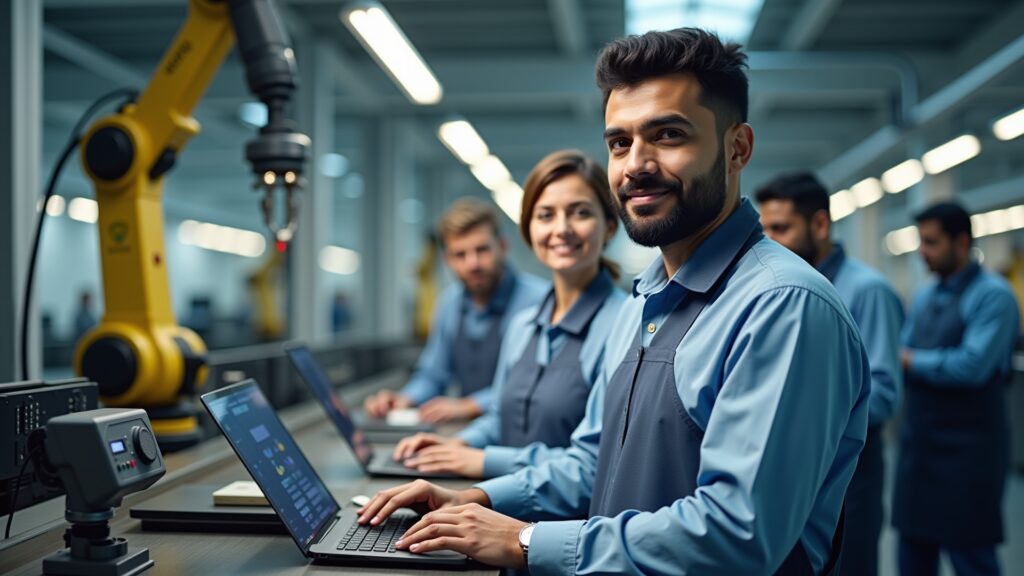
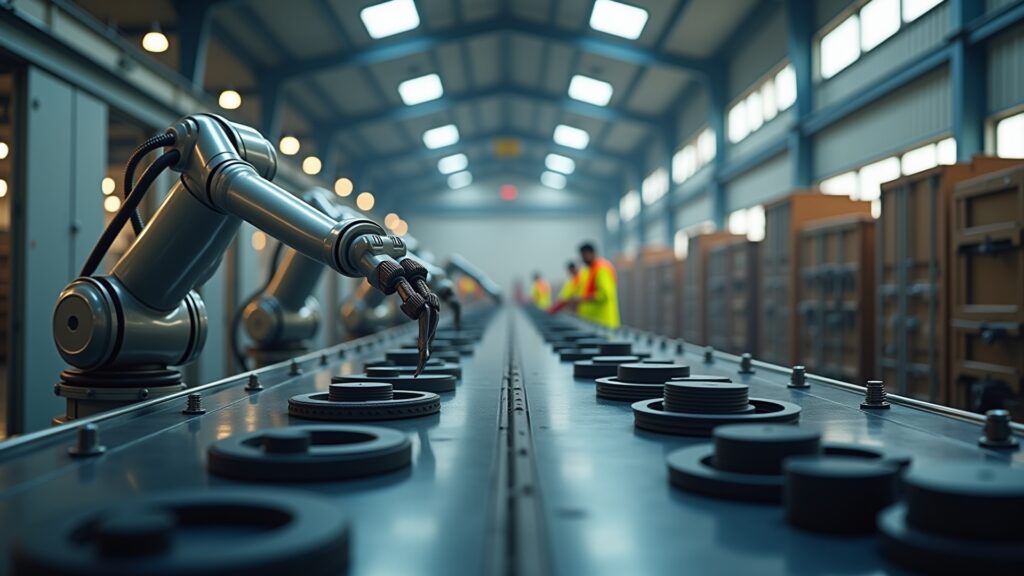
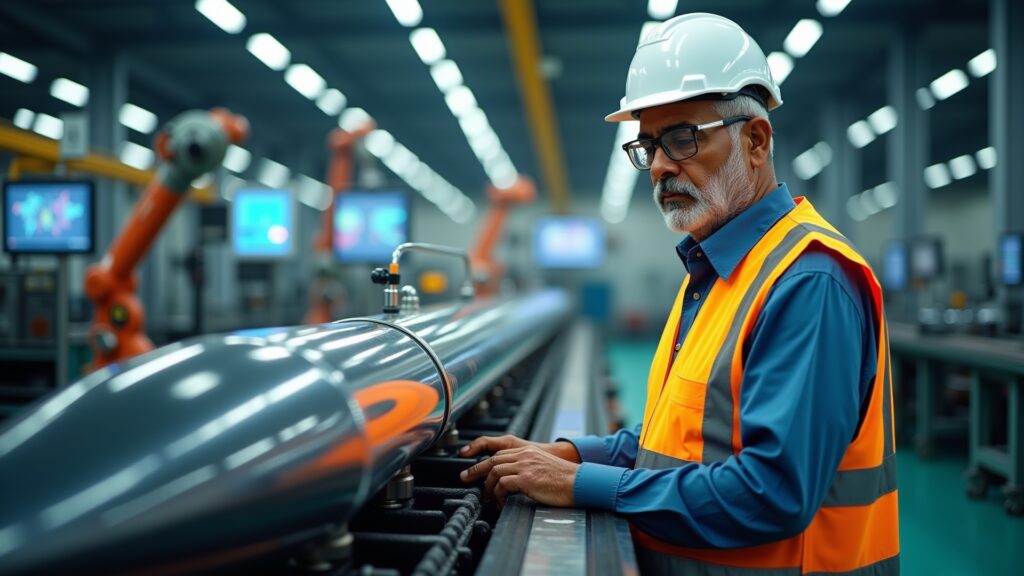
India’s rise is distinctive because it pairs capacity expansion with a relentless focus on industrial skills development. This dual approach fuels a manufacturing ecosystem capable of adopting automation, robotics, and smart factory technologies—key drivers of productivity and operational excellence in today’s competitive environment.
By investing heavily in workforce capabilities, India is addressing a cornerstone of manufacturing success: skilled human capital. This talent is essential for integrating artificial intelligence and industrial automation technologies that you may already be deploying or planning to incorporate.
“In manufacturing, scale matters — but resilience and precision are what create durable advantage.”
Strengthening Supply Chain Resilience and Localisation
India’s strengthening of local capabilities supports a dual goal: reducing dependency on fragile global supply chains and meeting the rigorous standards of international markets. For you, this translates into more predictable lead times, better quality control, and enhanced value addition—all critical if you are targeting export-oriented growth or looking to diversify your suppliers in a China+1 strategy.
Policy Frameworks and Incentives: Catalysts for Industrial Growth
The Indian government’s production-linked incentives (PLI), sector-specific skill development initiatives, and the creation of regional industrial zones form a robust support system for manufacturers. Such policy environments de-risk investments and encourage you to innovate and scale your operations smoothly.
Closer to operational realities, the emphasis on sustainability and energy efficiency within skill-building programs aligns with growing regulatory and customer demands worldwide. Positioning your manufacturing units in India could, therefore, enhance not just cost but also environmental credentials.
“The real edge is not only in producing more, but in producing faster, smarter, and closer to where demand is shifting.”
What This Means for Your Business and Investment Strategy
If you are a CEO, investor, or operations leader, India’s emergence is an invitation to rethink your global manufacturing and supply chain strategy. Capital investments channelled toward India now stand to benefit from a combination of growing capacity, a rapidly upgrading skill base, and a policy environment conducive to technology adoption and scaling.
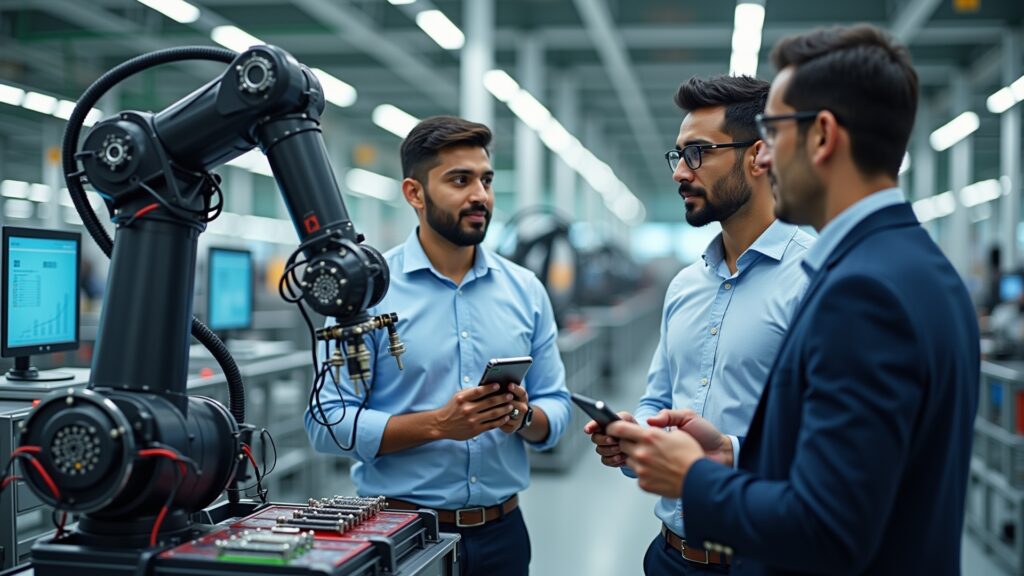
Integrating skill development into your operational model can unlock the full potential of Industry 4.0 technologies—automation, robotics, and AI—that drive efficiency gains. Collaborative engagement with Indian vocational institutions and government programs can secure a talent pipeline, a decisive factor since human capital quality is often a limiting factor for advanced manufacturing.
Strategic Insights and Practical Takeaways
- Understand the evolving skill landscape: Track India’s progress in Industry 4.0 workforce readiness to align your hiring and training strategies.
- Monitor policy evolution: Stay informed about PLI schemes and regional industrial zone developments to identify optimal investment locations.
- Prioritize localisation: Assess how incorporating Indian suppliers in your value chain can enhance resilience and reduce risks.
- Leverage partnerships: Build collaborations with local educational institutions and government skill initiatives to ensure steady access to talent.
- Balance cost and sustainability: Exploit India’s emphasis on cleaner manufacturing to meet both economic and environmental objectives.
“When automation, supply-chain discipline, and execution quality align, manufacturing growth becomes far more sustainable.”
Risks and Challenges to Navigate
Despite its momentum, India’s manufacturing ecosystem faces challenges such as skills mismatch in certain sectors, infrastructure gaps, and evolving regulatory frameworks. You must evaluate these factors carefully as you weigh the timing and scale of your investments. Additionally, integrating advanced technologies requires thoughtful change management and continuous skill upgrades to realize efficiency gains fully.
What You Should Watch Next
- Emerging government policies expanding Production Linked Incentives or extending sectoral support.
- Advancements in smart factory adoption rates and local innovation ecosystems.
- Reports on workforce skill improvements and vocational training outcomes.
- Development of logistics and industrial infrastructure that support export competitiveness.
- Shifts in global supply chains pointing to further geographic diversification away from traditional hubs.
Conclusion: Position Yourself for Long-Term Competitive Advantage
India’s transformation into a manufacturing and skills hub is a game-changing development for global industrial competitiveness. For you as a manufacturing leader, recognizing and incorporating this dynamic into your operational and investment strategies can yield improved resilience, productivity, and export potential.
This is not merely a growth story but a strategic reset that aligns capacity with capabilities, policy with innovation, and sustainability with scale. As global supply chains realign, your foresight will position your business to thrive amid evolving market conditions. India offers a compelling model for building durable competitive advantage through the integration of advanced manufacturing and industrial skills development.
If you are looking to embed agility, precision, and innovation into your manufacturing footprint, India’s manufacturing skills hub status is a vital consideration that cannot be overlooked.