As you steer your manufacturing enterprise through the evolving dynamics of global defence supply chains, understanding the strategic role of Micro, Small, and Medium Enterprises (MSMEs) in India’s defence manufacturing sector becomes imperative. Not merely a policy headline, MSMEs are key to India’s ambition to become a global defence production hub. Their success or struggle directly affects your factory’s supply chain resilience, operational efficiency, technology adoption, and export potential.
Why This Matters to You
You operate in a landscape where defence manufacturing is shifting from traditional large-scale players to an ecosystem that values agility, localisation, and technology-driven precision. MSMEs offer unique specialised capabilities that can enhance your production speed, quality, and cost-effectiveness — vital components in winning defence contracts and competing globally. At the same time, their current challenges ripple through the supply chain, potentially increasing risk and limiting scalability.
For investors and decision-makers, MSME integration indicates new horizons for capital allocation and partnerships. For supply chain and procurement leaders, empowering MSMEs translates into strengthening your sourcing network with trusted, local vendors aligned with India’s push for self-reliance.
What Is Happening in India’s Defence MSME Sector?
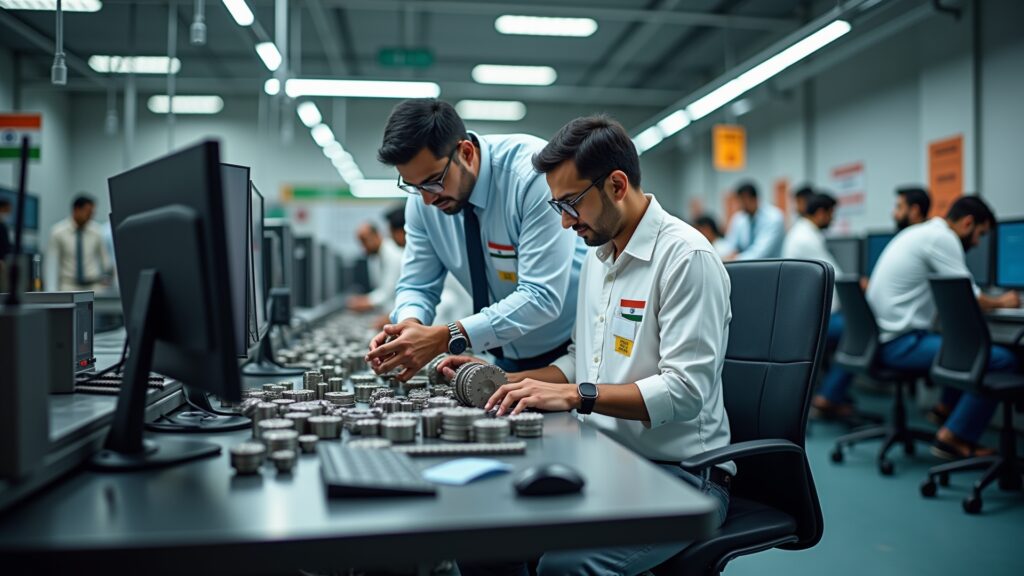
India’s defence manufacturing sector is undergoing a strategic transformation inspired by the Atmanirbhar Bharat initiative, aiming to localise production and reduce import dependence. MSMEs, owing to their agility and specialized manufacturing niches, are poised to supply critical components and sub-assemblies.
However, MSMEs face systemic constraints including limited access to advanced manufacturing technologies, quality assurance hurdles, capital constraints, and workforce skill gaps. This inhibits their ability to meet the exacting standards and certification requirements demanded by Defence Original Equipment Manufacturers (OEMs) and integrators.
Key Business and Industrial Impact
The growing emphasis on MSME integration creates several implications:
- Supply Chain Resilience: Your supply chain becomes more diversified and less vulnerable when MSMEs capable of high-precision defence components operate effectively within your network.
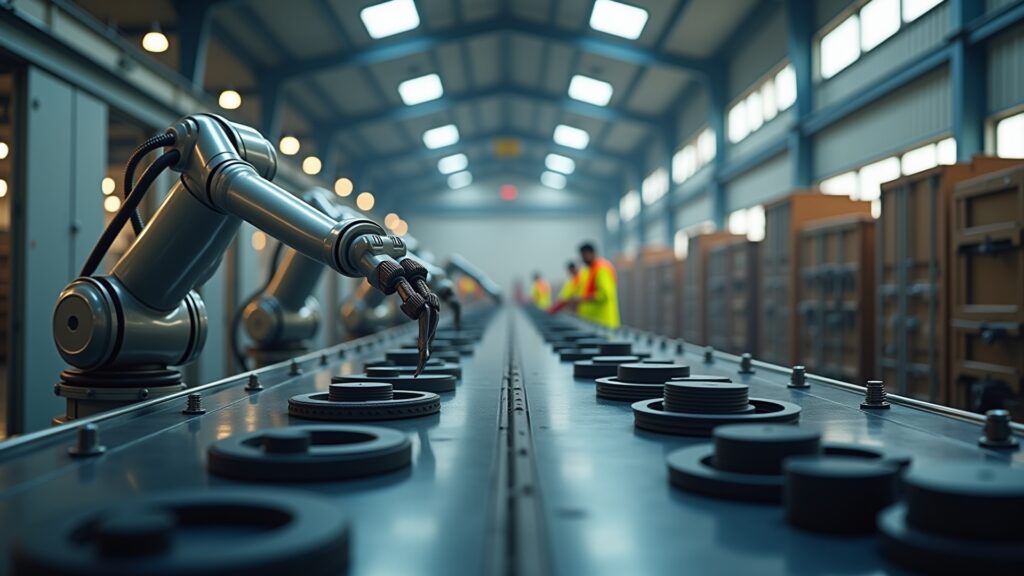
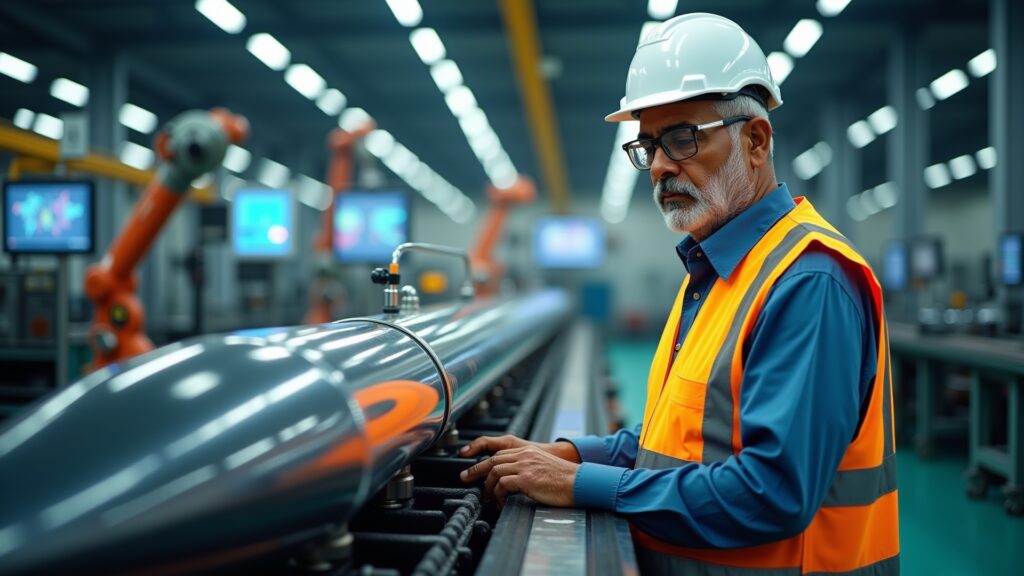
- Technological Modernisation: MSMEs adopting smart manufacturing, automation, and digitisation help elevate the overall industrial standard in defence production.
- Localisation and Export Competitiveness: Strong MSMEs enhance the domestic value-add, which improves your export credentials, especially as global buyers seek diversification beyond China-centric supply chains.
- Investment Opportunities: There is growing policy momentum supporting credit access and R&D incentives for MSMEs, making them attractive partners or portfolio companies for investors focused on defence sector growth.
Strategic Insight: Positioning Your Manufacturing Business
To capitalise on this evolving environment, rethink your collaboration strategies. MSMEs can no longer be peripheral suppliers; they are becoming strategic partners crucial for innovation cycles and supply chain agility. This means investing in joint capability-building, co-development projects, and technology transfers.
Focus on nurturing talent pipelines that integrate MSME workforces to maintain quality standards and timely delivery. Also, monitor policy reforms related to MSME credit schemes and automation incentives, as these will lower your operational risks and improve your competitive positioning.
“In manufacturing, scale matters — but resilience and precision are what create durable advantage.”
“The real edge is not only in producing more, but in producing faster, smarter, and closer to where demand is shifting.”
Practical Takeaways for Manufacturing Leaders
- Understand MSME Capabilities: Conduct audits of your MSME suppliers to identify technology gaps and skill deficits that may impact quality and timelines.
- Invest in Training and Technology: Collaborate with MSMEs to upgrade their automation and smart manufacturing readiness aligned to your production standards.
- Leverage Policy Incentives: Explore government schemes offering credit, R&D subsidies, and procurement preferences for MSMEs within defence manufacturing.
- Integrate Digitally: Encourage adoption of digital tools for supply chain visibility and real-time quality control with MSME partners.
- Foster Strategic Partnerships: Build innovation networks linking large OEMs, MSMEs, and technology providers to scale product development efficiently.
Expert Perspective
India’s policy shift towards MSME empowerment signals a paradigm change in defence manufacturing. As one industry insight suggests, “When automation, supply-chain discipline, and execution quality align, manufacturing growth becomes far more sustainable.” This underscores the need for factory and plant leaders to adopt an ecosystem mindset, where MSMEs are integral to operational excellence rather than peripheral players.
Risks and Challenges
Despite the promising outlook, you must remain cautious about persistent challenges such as insufficient capital for MSMEs to invest in cutting-edge technology and workforce skill development. Without sustained policy support and private-sector commitment, quality inconsistencies and supply chain fragmentation could undermine progress.
Furthermore, integrating MSMEs requires significant commitment to change management—both on your part and theirs—to align processes, certifications, and timelines. Failure to invest adequately risks creating bottlenecks or exposing vulnerabilities in critical defence production chains.
What You Should Watch Next
- Policy developments related to MSME credit schemes, R&D incentives, and government procurement reforms.
- Innovations in industrial automation tailored specifically for smaller manufacturers.
- Strategic alliances and consortiums forming between large OEMs and MSMEs.
- Trade and export initiatives promoting India’s defence production capabilities globally.
- Workforce skilling programs focused on technological and quality standards enhancement.
Conclusion: Building a Robust MSME Ecosystem for Defence Manufacturing
You are at a pivotal moment where fostering a strong, technology-enabled MSME ecosystem can serve as a critical lever for India’s defence manufacturing ambitions. Integrating MSMEs not only unlocks resilience and localisation benefits but also drives innovation, cost efficiency, and export competitiveness.
For manufacturing leaders, investors, and policymakers invested in India’s industrial future, the MSME narrative is one to engage with actively and strategically. The path to becoming a global defence production hub will hinge on your ability to build partnerships that elevate MSMEs from suppliers to innovation allies.
Focus on MSMEs in India defence manufacturing as a key strategic priority—because your factory’s supply chain strength and long-term competitiveness depend on it.