You are at the forefront of an industrial transformation that is rewriting the rules of manufacturing and technology integration. India’s determination to emerge as a global drone manufacturing hub is more than a national ambition—it’s a strategic pivot that you cannot afford to overlook. Whether you lead a factory, oversee supply chains, guide investments, or shape manufacturing policy, the rise of India’s drone industry is set to influence your competitive positioning, operational resilience, and growth trajectory.
Why This Strategic Shift Should Matter to You
Your manufacturing business, supply chain networks, and market outlook stand to gain significantly from India’s focused push into drone technology. As drone manufacturing integrates smart automation, robotics, and next-generation industrial AI, your operations could see revolutionary gains in efficiency and quality. Moreover, localising this high-tech supply chain enhances your ability to secure critical components domestically, cutting lead times and insulating your business from global disruptions.
For investors and business leaders, the expanding drone manufacturing ecosystem opens an attractive avenue for capital allocation into a rapidly growing sector with vast export potential and strategic importance to India’s industrial rise.
A Deep Dive into India’s Drone Manufacturing Agenda
Defence Minister Rajnath Singh’s call for India to swiftly scale up its drone manufacturing capabilities signals a clear governmental intent. This mission aligns with broader national manufacturing policies such as the Production Linked Incentive (PLI) scheme, crafted to boost indigenous production and reduce reliance on imports. By fostering factory-level expansion in drone assembly and component manufacturing, this initiative not only propels infrastructural growth but also catalyses technology transfer and skills enhancement.
Drone technology intersects with multiple sectors—defense, agriculture, logistics, and surveillance—each poised for significant market expansion. Your manufacturing leadership will need to respond by adopting smart factory models, embedding automation, and advancing quality control systems that meet international standards.
Implications for Your Supply Chain and Export Competitiveness
Building a robust domestic drone manufacturing ecosystem means you gain greater control over your supply chains, which improves responsiveness to market demands and buffers you against global bottlenecks. This localization supports a “China+1” strategy, where India emerges as a complementary manufacturing base adding resilience to global supply networks.
Furthermore, India’s ascendancy as a drone exporter can reposition your business in global markets, especially in the defence and civilian high-tech segments where demand is accelerating. Aligning your product development, quality standards, and certifications with this ecosystem enhances your export readiness and global competitiveness.
Harnessing Innovation and Smart Industrial Technologies
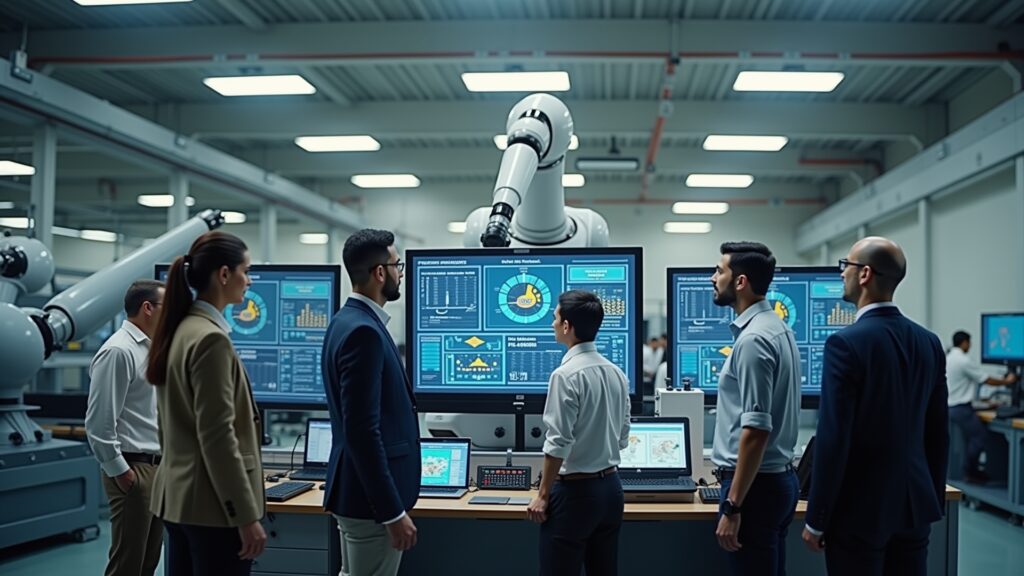
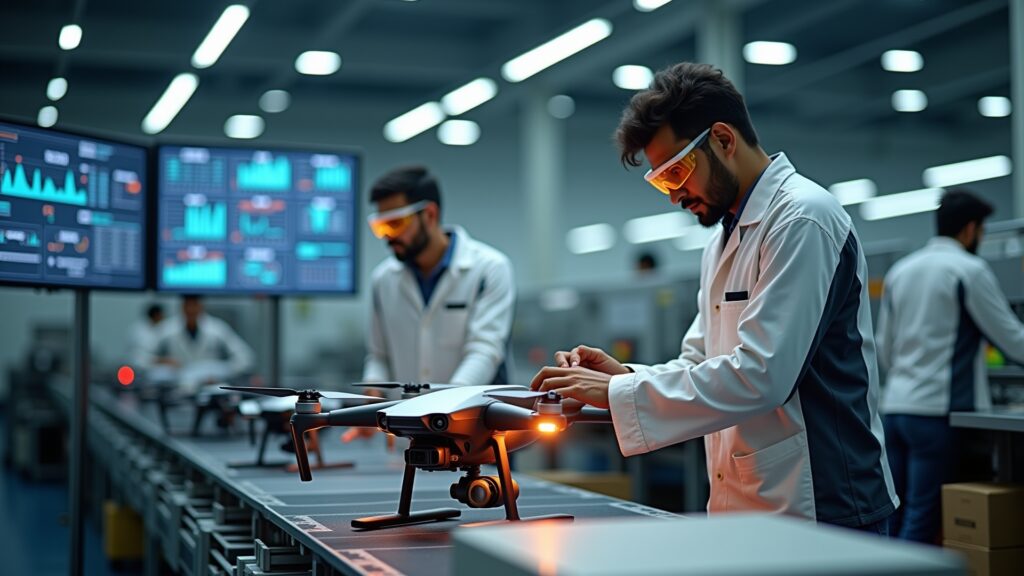
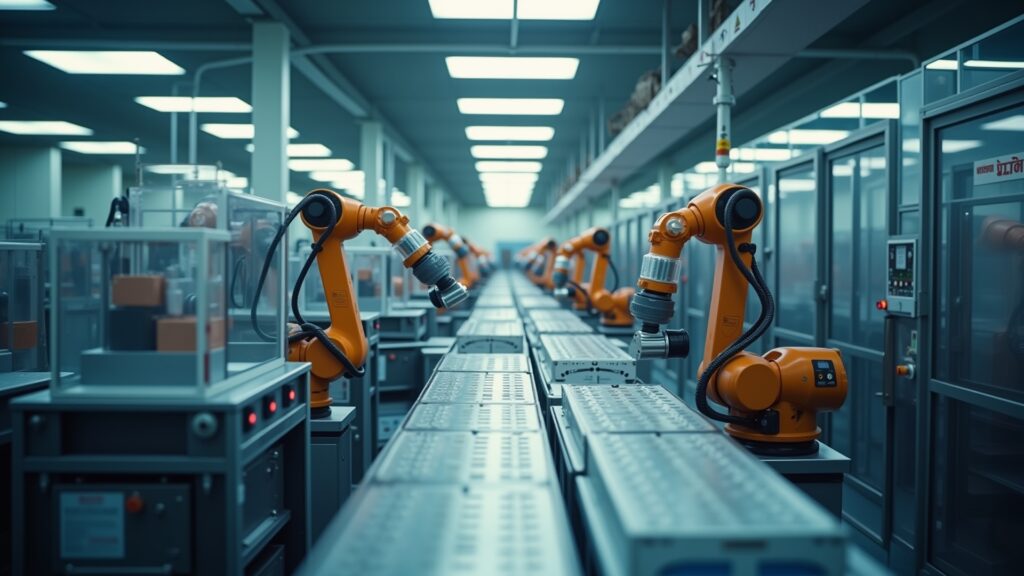
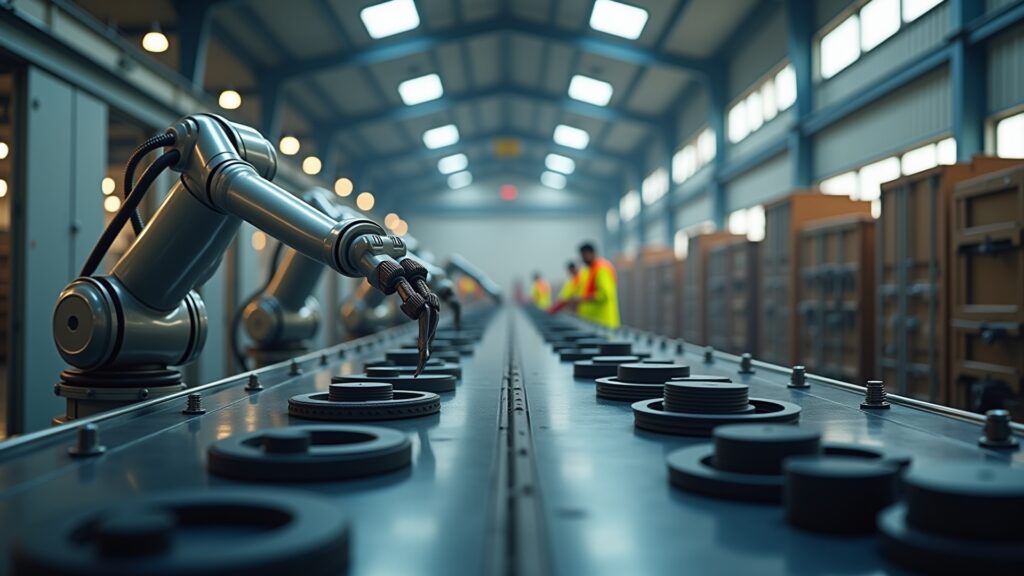
Manufacturing drones involves integrating cutting-edge automation, robotics, and industrial artificial intelligence that delivers precision and productivity improvements. You must steer your factory operations toward these advanced technologies to stay relevant.
“When automation, supply-chain discipline, and execution quality align, manufacturing growth becomes far more sustainable.”
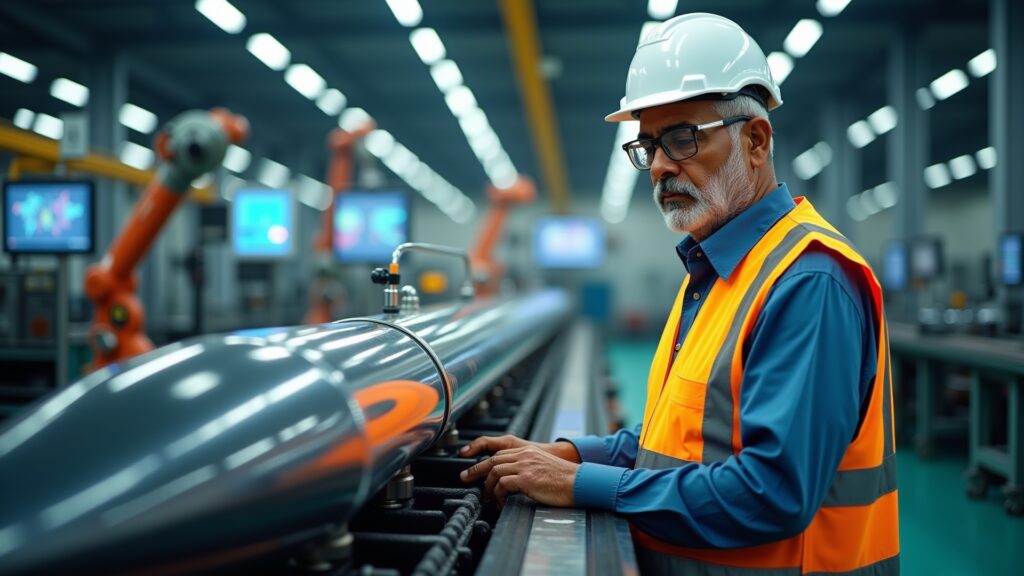
The ability to build smart factories that can iterate quickly and maintain stringent quality ensures your facility is not just a production center but a technology leader. Sustainability considerations—such as energy efficiency and waste reduction—are equally critical in aligning with India’s policy goals and global environmental standards.
Strategic Insights for Your Business and Operational Planning
- Policy Alignment: Leverage government incentives for R&D, capital investment, and export facilitation to modernize your factory and product lines.
- Workforce Development: Invest in building technical skills relevant to drone assembly, industrial automation, and quality assurance.
- Supply Chain Localisation: Develop trusted, resilient supply networks for key components to reduce import dependencies and lead times.
- Technology Adoption: Integrate robotics, IoT, and industrial AI platforms as a foundation for smart manufacturing practices.
- Export Strategy: Prepare products to meet global certification standards and explore emerging markets with high drone adoption potential.
Practical Takeaways for Manufacturing Leaders and Investors
- Understand the strategic importance of drone manufacturing to India’s industrial future and position your enterprise accordingly.
- Monitor evolving government policies and incentive programs to maximize operational and financial benefits.
- Prioritize industrial automation and smart factory upgrades to maintain competitive productivity and quality gains.
- Engage with R&D partnerships to stay at the forefront of drone tech innovation and industrial AI advancements.
- Evaluate export market potentials and develop scalable production lines that can meet international demand.
“The real edge is not only in producing more, but in producing faster, smarter, and closer to where demand is shifting.”
Challenges and Risks You Should Navigate
Despite its promise, becoming a global drone manufacturing hub involves overcoming several challenges. These include ensuring supply chain security for advanced components, safeguarding intellectual property, and managing the high capital expenditure required to build sophisticated production lines. Furthermore, the rapid pace of technological change demands continuous innovation investment and workforce upskilling.
Policy stability and regulatory clarity will be critical to maintaining investor confidence and encouraging sustained industrial participation.
What to Watch Next
Keep an eye on the development of infrastructure supporting drone manufacturing clusters, new policy announcements concerning export incentives, and collaborations between government, academia, and industry players. Tracking international market trends and technological breakthroughs in drone systems will also help you anticipate shifts and opportunities.
Conclusion: Why India’s Rise as a Drone Manufacturing Hub Transforms Industrial Growth
India’s push to become a global drone manufacturing hub represents a transformational opportunity for your manufacturing enterprise. It is a gateway to advanced industrial automation, supply chain resilience, and increased export competitiveness that can redefine your market position.
For you as a manufacturing leader, investor, or policymaker, engaging proactively with this evolving sector means aligning your strategies to harness the full spectrum of technological and business advantages. In doing so, you are not just participating in a new industrial wave—you are shaping the future of manufacturing in India and beyond.
“In manufacturing, scale matters — but resilience and precision are what create durable advantage.”