The recent unveiling of NITI Aayog’s report on India’s sports equipment manufacturing sector marks a pivotal moment for leaders steering manufacturing enterprises, supply chains, and investment strategies in the industrial domain. This sector, often overlooked amidst the focus on electronics and automotive industries, now surfaces as a niche yet highly strategic growth vector aligned with India’s ambition of self-reliance, global competitiveness, and sustainable industrial scaling.
Why This Matters to You
As someone managing or investing in manufacturing operations, this development offers you a fresh vantage point to tap into an industry poised for rapid evolution. The sports equipment sector encapsulates a compelling blend of localisation potential, export expansion, and smart factory innovation. It presents a concrete avenue for diversification that blends manufacturing scale-up with cutting-edge automation, enhanced supply chain resilience, and policy-backed incentives.
By assessing NITI Aayog’s insights, you can recalibrate your factory strategies to leverage growing domestic demand, government fitness drives, and global market openings. This means rethinking plant capacity, embedding industrial AI, and exploring energy-efficient production methods that not only improve output but also underpin long-term competitiveness in a changing industrial landscape.
What Is Happening in the Sports Equipment Manufacturing Sector?
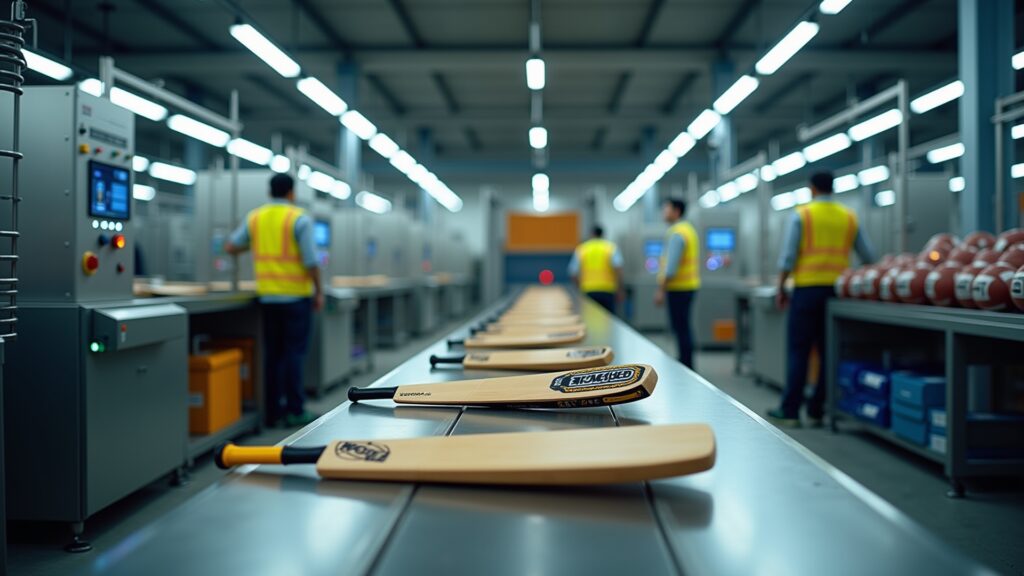
The sports equipment manufacturing sector in India is emerging from relative obscurity into a sector ripe for industrial transformation. NITI Aayog’s report underscores how this segment is increasingly recognized for its strategic value in India’s Make in India and localisation narratives. The report calls attention to the potential unlocked by investing in advanced manufacturing processes, smart automation, and scaling factory capabilities that meet global standards.
Additionally, government initiatives such as Production-Linked Incentive (PLI) schemes are encouraging manufacturers to deepen localisation, reduce import dependence, and boost exports. This sector is uniquely positioned to absorb these policy benefits, supporting a transition from low-value assembly to high-value manufacturing and export-ready production.
Key Business and Manufacturing Impacts
For you as a manufacturing leader or investor, the sports equipment sector offers multiple tangible benefits and strategic advantages:
- Localisation and cost optimization: Moving raw materials sourcing and component manufacturing closer to your factories means better control over supply chains and reduced exposure to international disruptions.
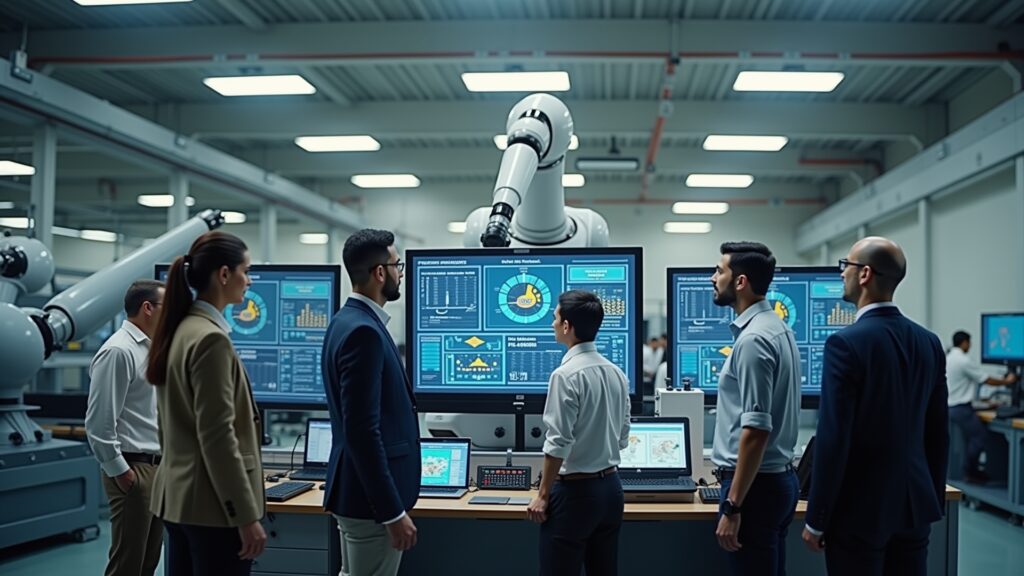
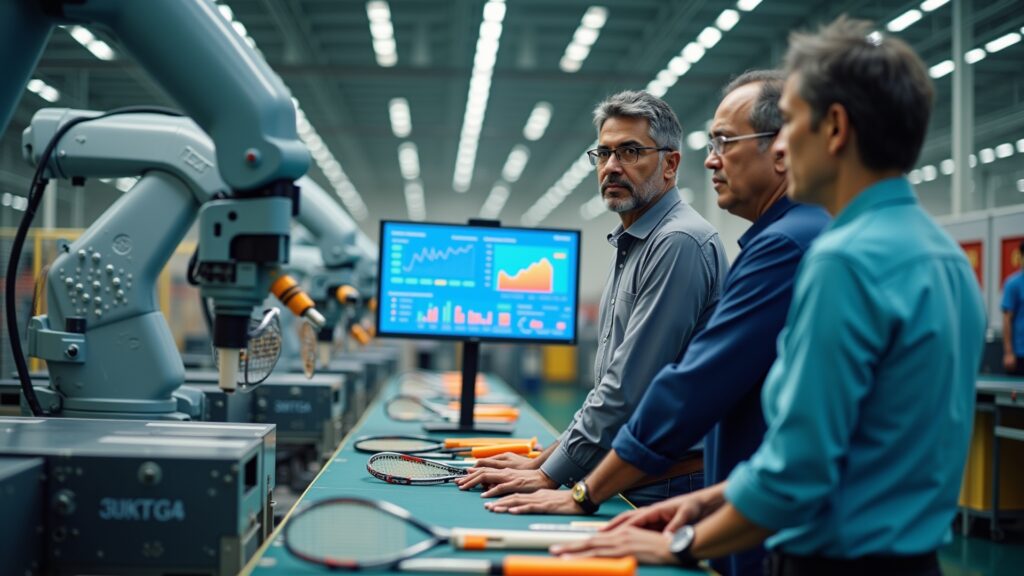
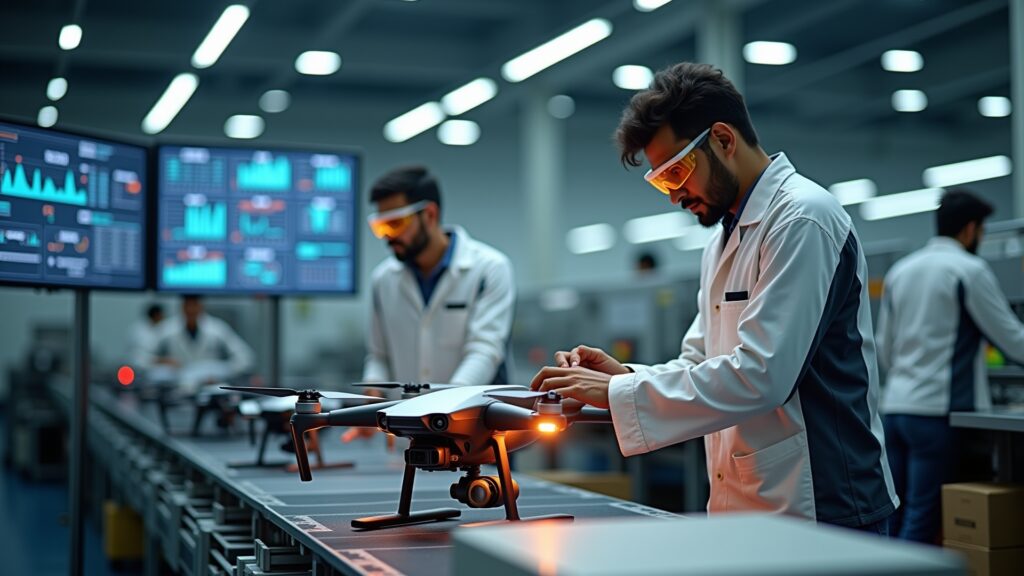
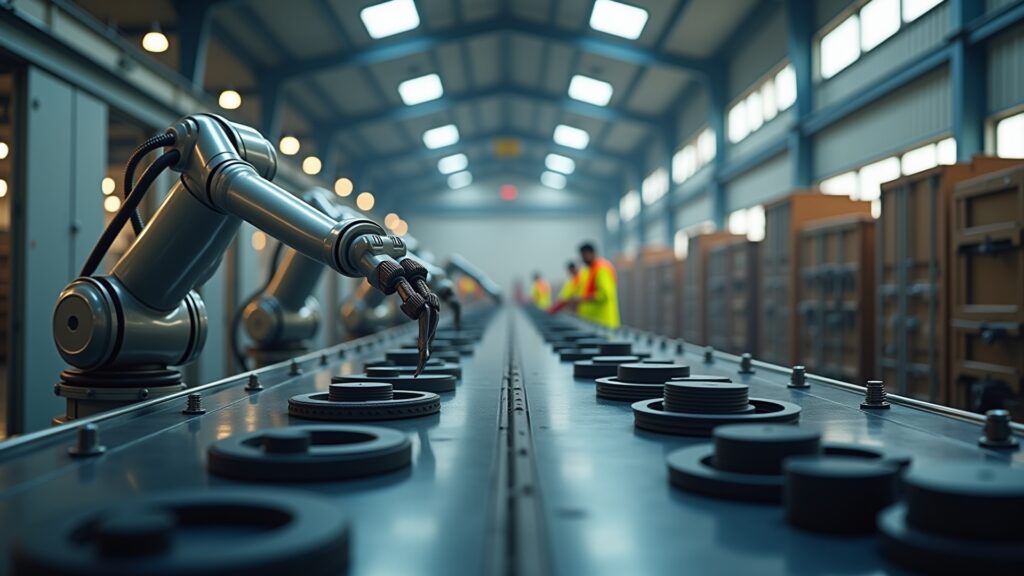
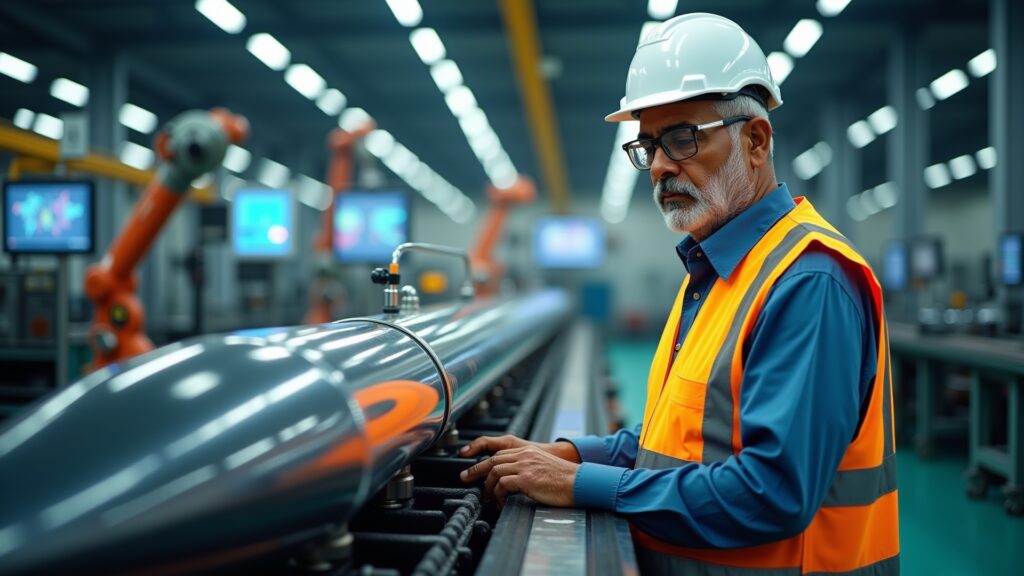
- Smart factory potential: Integration of automation, robotics, and industrial AI enhances production efficiency, quality consistency, and flexibility to adapt to demand fluctuations.
- Export competitiveness: Upgrading technology and design capabilities aligns your products with global standards, positioning India as a trustworthy exporter in international markets.
- Government incentives and support: Leveraging PLI and other frameworks can improve margins and accelerate capacity investments with policy-backed subsidies and infrastructure support.
Strategic Insight: Positioning for Industrial Scale-up and Global Demand
India’s manufacturing strategy is moving beyond traditional heavy industries toward smart diversification. The sports equipment sector, with its growing domestic consumer base and export potential, serves as a microcosm of this shift. This is not just about producing sports goods; it is about embedding advanced manufacturing practices to build resilient, agile, and energy-efficient factories.
“The real edge is not only in producing more, but in producing faster, smarter, and closer to where demand is shifting.”
For your operation, this means investing in workforce upskilling, digitalising factory floors, and refining your supply chains to embrace sustainability and operational excellence. The sector also provides a platform to pilot innovations in material usage and logistics integration—elements critical to the broader Indian manufacturing ecosystem’s global competitiveness.
Practical Takeaways for Manufacturing Leaders
- Understand the evolving demand drivers behind India’s sports market and align your production strategies accordingly.
- Monitor policy developments, especially incentives linked to localisation and smart factory creation, to maximize your operational benefits.
- Adopt automation and industrial AI for quality enhancement, waste reduction, and improved productivity.
- Invest in workforce capability enhancement tailored to cutting-edge manufacturing technologies.
- Explore strategic partnerships or technology collaborations to accelerate scale-up and market access.
Expert Perspective
“In manufacturing, scale matters — but resilience and precision are what create durable advantage.”
“When automation, supply-chain discipline, and execution quality align, manufacturing growth becomes far more sustainable.”
Risks and Challenges to Consider
While the opportunities are abundant, be mindful of potential hurdles such as raw material sourcing constraints, the capital intensity required for factory modernisation, and the need to align workforce skills with emerging technologies. Moreover, supply chains in tier-2 and tier-3 cities may require infrastructure enhancements to support scale, and competition from established global players will demand continuous innovation and quality assurance.
What You Should Watch Next
Keep a close eye on how government policies evolve post-report, particularly around PLI scheme roll-outs and local material development programs. Additionally, watch emerging investments in automation, AI, and green manufacturing technologies within the sports equipment sector. Pilot projects or early adopters setting benchmarks will indicate how quickly this sector can mature and scale.
Conclusion
The NITI Aayog report on the India sports equipment manufacturing sector crystallizes a strategic growth pathway for you to consider in your manufacturing portfolio. This sector encapsulates multiple facets critical to India’s industrial ambitions—localisation, smart automation, supply chain resilience, and export competitiveness.
By positioning your business to capitalize on these insights, you align with national manufacturing priorities while fostering innovation, operational excellence, and sustainable growth. For executives, investors, and policymakers, the sports equipment manufacturing sector emerging from this report demands strategic attention — ushering in new opportunities in India’s evolving manufacturing narrative.
Focus on smart technology adoption, workforce capability building, and leveraging policy incentives to unlock the full potential within this promising sector.