As a leader in India’s manufacturing sector, you are at a pivotal crossroads where sustainability is no longer a regulatory checkbox but a core strategic differentiator shaping your industry’s future. Sustainable manufacturing in India is rapidly transforming from a compliance necessity into a multi-dimensional growth lever that can elevate your factory’s productivity, global competitiveness, and long-term value creation.
Why Sustainable Manufacturing Matters Directly to Your Business
Your manufacturing operation is intricately tied to evolving global supply chains, energy dynamics, and environmental regulations. Embracing sustainability enables you to anticipate and adapt to these shifts — reducing your carbon footprint, optimizing resource use, and improving operational resilience. These capabilities don’t just ensure compliance but become essential for managing costs, attracting premium customers, and securing investment.
Furthermore, your ability to embed green practices directly influences your export prospects. Buyers in developed markets significantly favor suppliers with transparent environmental credentials, making sustainability a critical factor in capturing higher-value orders and growing your share in international trade.
What Is Driving This Shift in Indian Manufacturing?
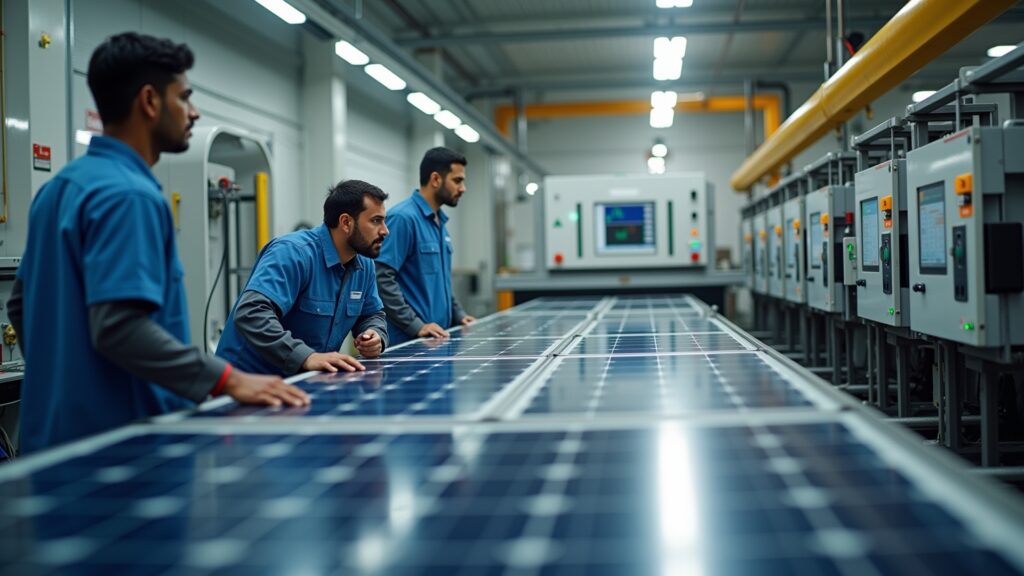
India’s ambition to establish itself as a global manufacturing hub is aligning closely with national and international sustainability agendas. Increasingly stringent policies, incentives for clean energy adoption, and rising input costs are catalyzing manufacturers to integrate renewable energy, circular economy principles, and cleaner production technologies.
Government initiatives supporting green manufacturing, combined with market-driven pressures, are fostering an environment where sustainability initiatives directly contribute to reducing operational expenses and mitigating supply chain vulnerabilities related to energy and raw material volatility.
Strategic Impact: From Cost Centers to Value Drivers
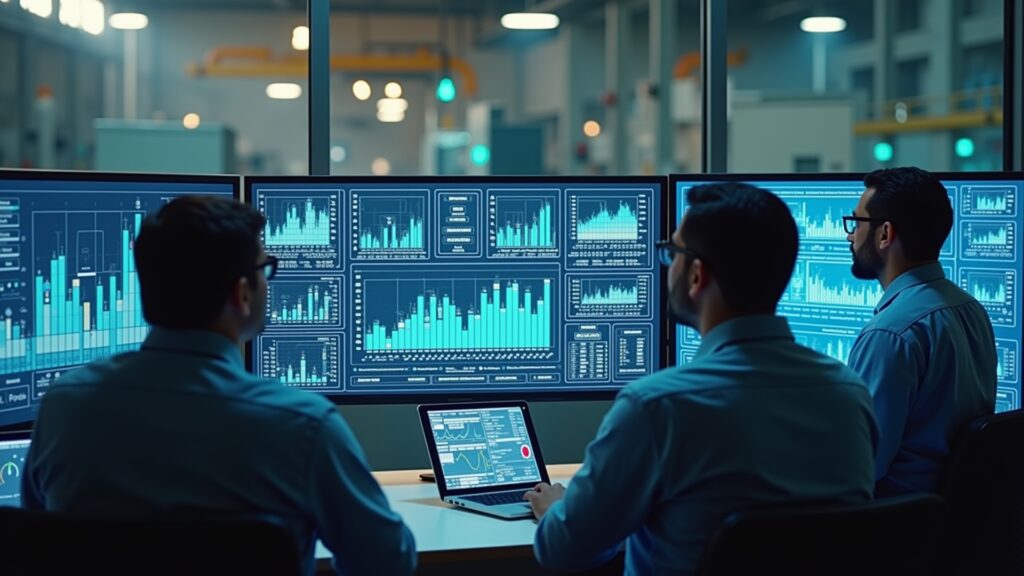
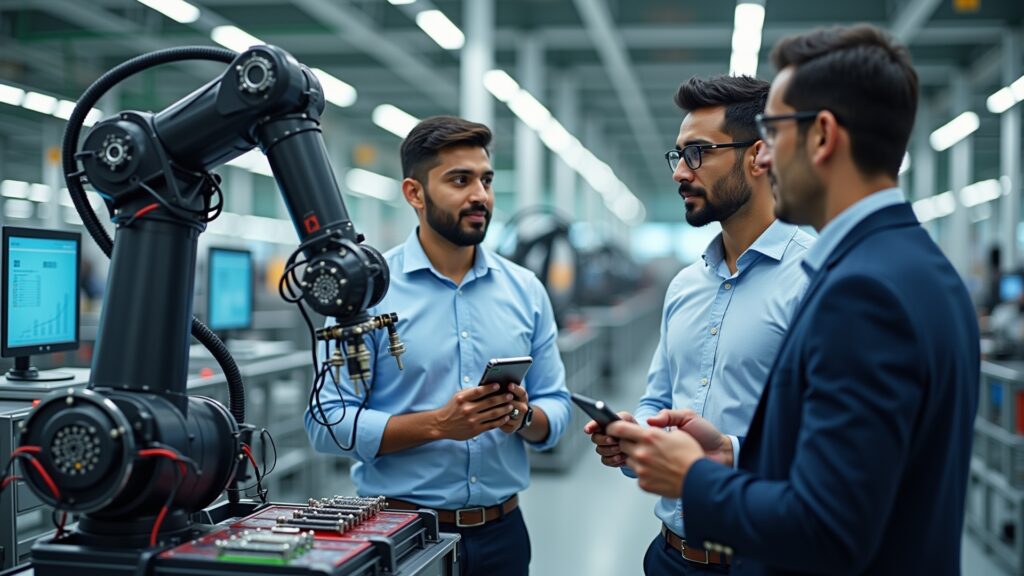
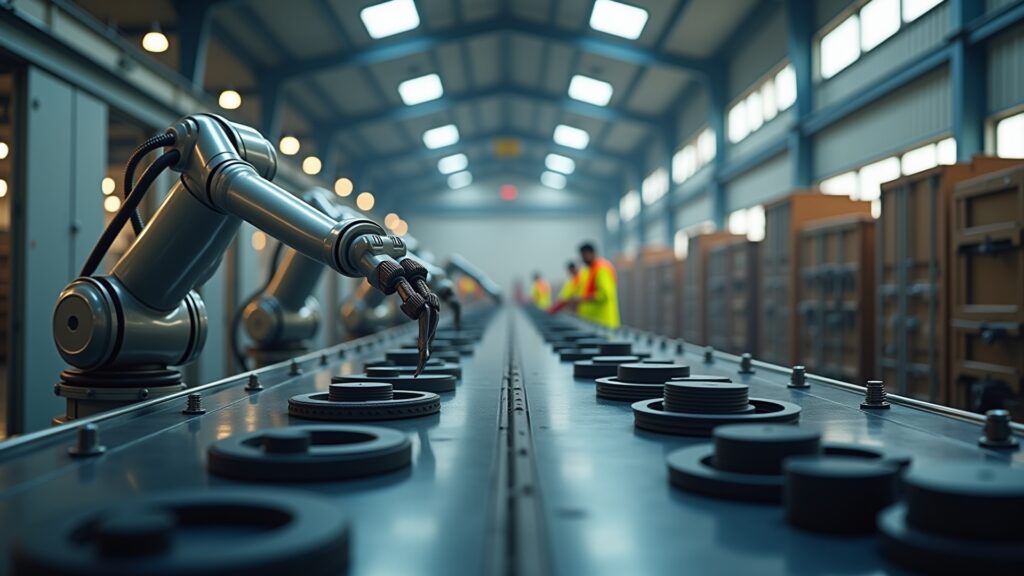
In your role as a founder, CXO, or plant leader, reframe sustainability as a powerful engine for innovation and operational excellence. Investments in automation, robotics, and industrial AI play a pivotal role here, enhancing energy efficiency and waste minimization. These technologies help you streamline processes, reduce downtime, and improve quality — all while meeting sustainability targets.
Your capital allocation decisions must increasingly incorporate sustainability criteria, influencing everything from machinery upgrades to plant layout and supplier relationships. This approach not only boosts your factory’s productivity but also positions your business to capitalize on emerging green market opportunities.
“In manufacturing, scale matters — but resilience and precision are what create durable advantage.”
Examining Leadership and Workforce Implications
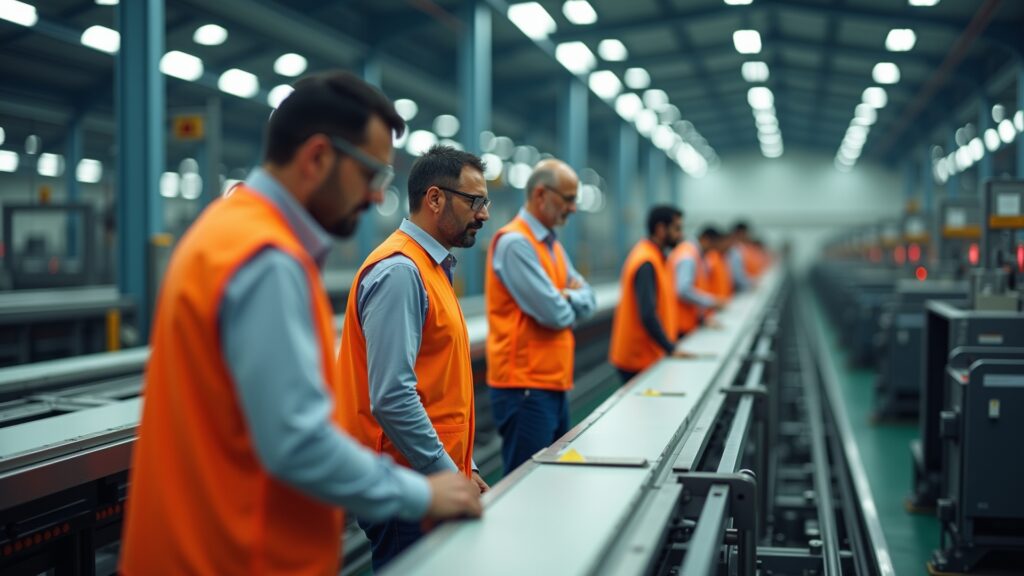
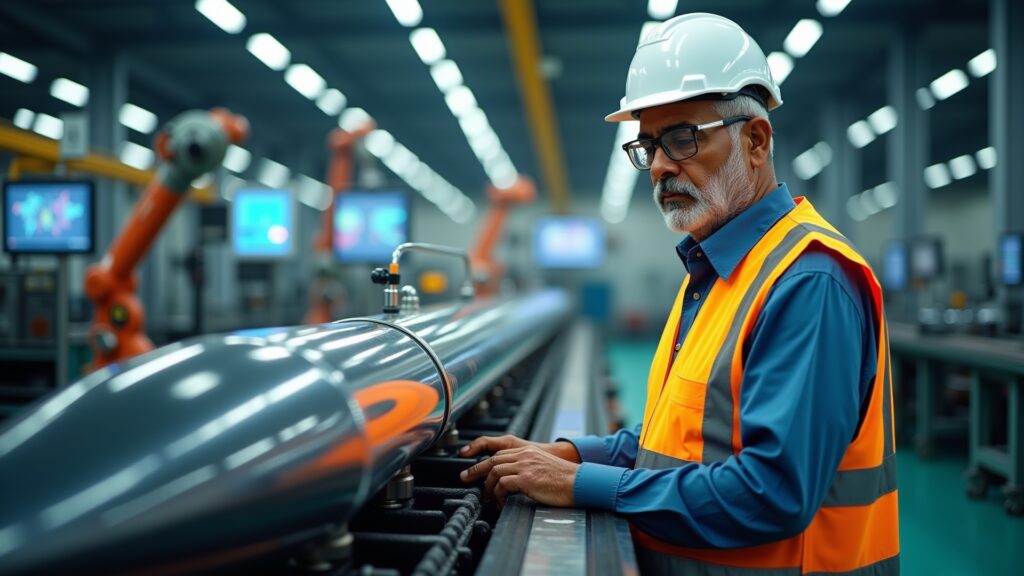
Integrating sustainability requires you to champion a culture shift within your teams. Workforce development is crucial, as your staff need skills aligned with sustainable manufacturing practices and continuous improvement methodologies. Cultivating responsibility and environmental stewardship among your workforce will help embed sustainability into your operational DNA.
Leadership must also navigate complexities around balancing short-term costs with long-term benefits, ensuring stakeholder alignment across boardrooms and shop floors.
Key Practical Takeaways for Manufacturing Leaders
- Embed sustainability in core strategy: Make it a boardroom priority rather than a peripheral initiative.
- Leverage technology: Invest in automation and AI to enhance energy efficiency and waste reduction.
- Monitor evolving policies and incentives: Align your operations to benefit from government support on green manufacturing.
- Develop workforce capabilities: Train your teams to become sustainability champions at every operational level.
- Strengthen supply chain resilience: Prioritize local and trusted vendors with strong sustainability credentials.
- Focus on export readiness: Build transparent environmental reporting to attract global buyers.
- Assess and allocate capital prudently: Prioritize investments that deliver both sustainability and productivity gains.
“The real edge is not only in producing more, but in producing faster, smarter, and closer to where demand is shifting.”
Risks and Challenges You Should Watch
Transitioning to sustainable manufacturing is complex and entails upfront costs, technological integration challenges, and cultural shifts. You must be cautious of greenwashing risks, where superficial adoption without deep operational changes can damage credibility.
Moreover, uneven policy enforcement across regions and evolving global trade standards require constant vigilance and adaptability. Failure to integrate sustainability fully could expose your operations to regulatory penalties, higher costs, and loss of market share.
What to Watch Next in Indian Sustainable Manufacturing
Keep an eye on emerging policy frameworks and incentive programs that will further support renewable energy adoption and circular economy initiatives. Advances in industrial AI and automation tailored to energy management will increasingly become accessible and cost-effective.
Watch also for growing investor interest in ESG-compliant manufacturing ventures, signaling expanding capital availability for sustainability-driven projects. Finally, global supply chains will continue to recalibrate under environmental and geopolitical pressures, making your sustainable manufacturing positioning an essential component of competitive resilience.
“When automation, supply-chain discipline, and execution quality align, manufacturing growth becomes far more sustainable.”
Conclusion: Sustainable Manufacturing in India as Your Strategic Imperative
Sustainable manufacturing in India is no longer a mere obligation but a transformative strategy that future-proofs your operations and enhances your competitive positioning. By proactively integrating sustainability into your manufacturing DNA, you equip your business to thrive amid global supply chain shifts, regulatory landscapes, and market expectations.
Prioritize sustainability today to become a pioneer in India’s evolving industrial narrative — capturing new markets, reducing costs, and attracting investment that collectively contribute to the nation’s industrial ambitions.