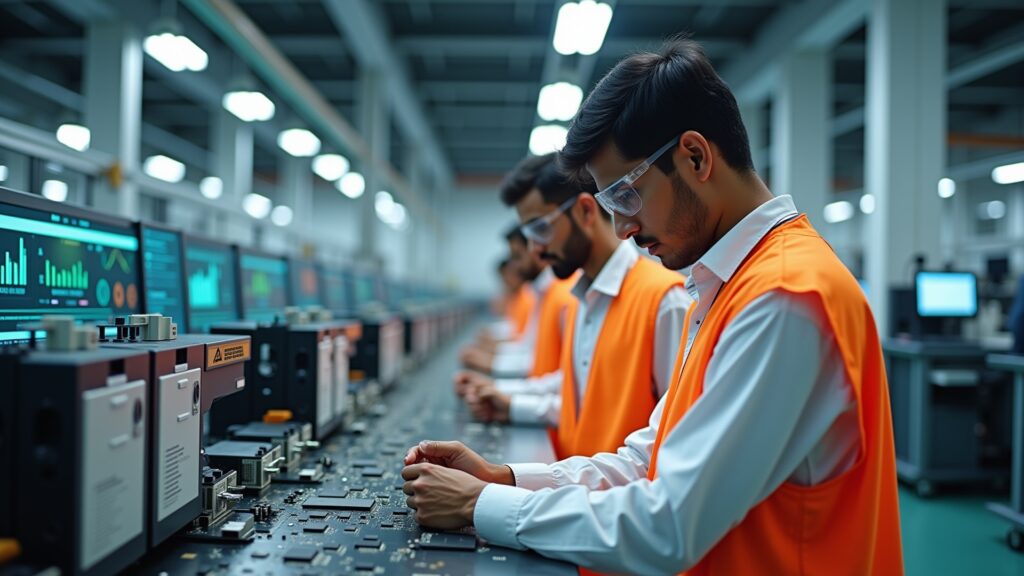
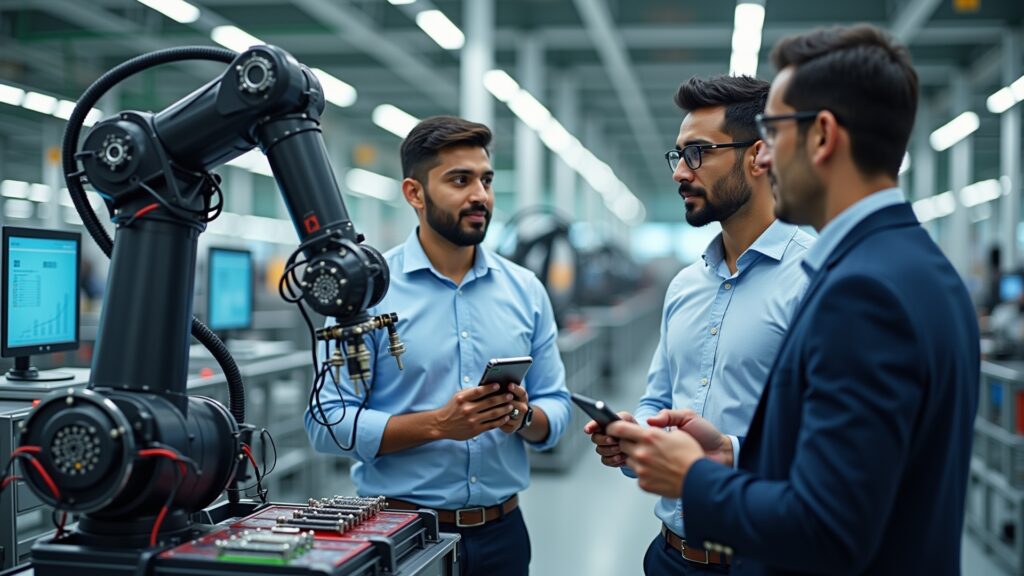
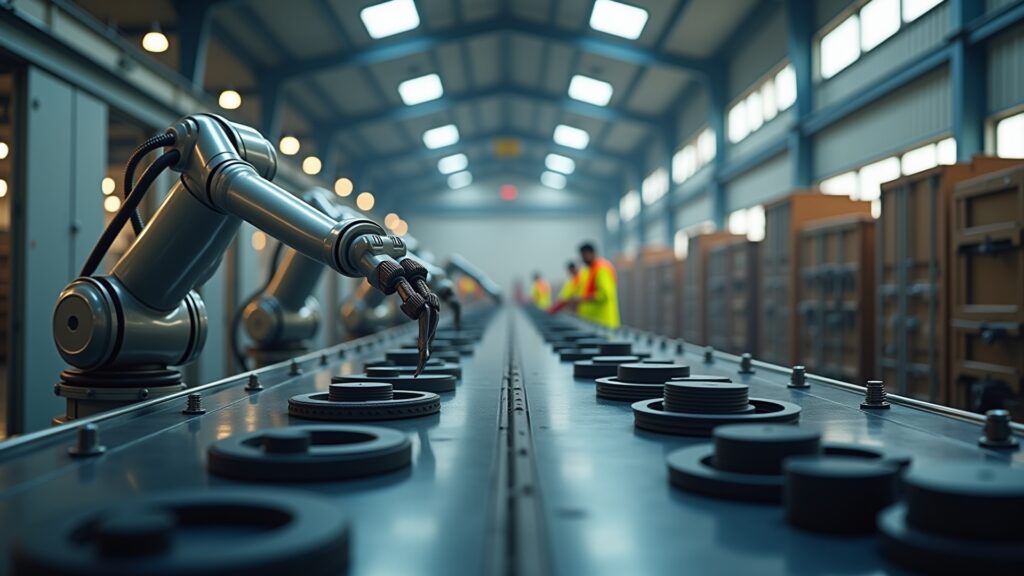
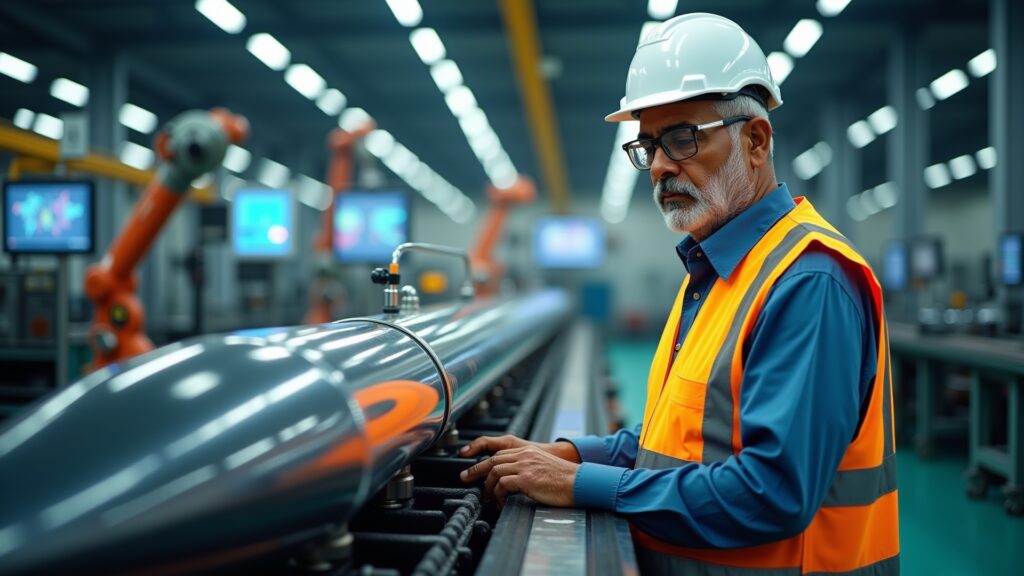
As you scale your electronics manufacturing operations in India, the imperative to build a robust local component ecosystem cannot be overstated. It is the linchpin that will determine whether your factory can move beyond being a mere assembly hub to becoming an innovation powerhouse, competitive globally and resilient against supply chain disruptions. India’s expanding electronics sector is at a critical juncture where component availability, quality, and localization will define the trajectory of growth and international competitiveness.
Why This Matters to You and Your Manufacturing Business
Your manufacturing competitiveness is directly affected by the strength of the component ecosystem. Currently, as you navigate supply chain challenges, dependence on imports for core components—such as semiconductors, passive electronic parts, and specialized materials—introduces unpredictability and cost pressures. Without a mature component base, your lead times extend, your costs inflate, and your ability to innovate or scale swiftly is constrained.
Localizing components is no longer just a strategic advantage; it is essential to reducing operational risks, improving quality control, and accelerating responsiveness to evolving consumer demands. For you, this means a better chance to capture growing domestic demand, leverage export incentives, and align with government policies aimed at fostering self-reliance and technological sophistication.
The Current Landscape: What’s Driving Growth and the Bottlenecks You Face
India’s electronics manufacturing growth is propelled by strong government policy drivers like the Production Linked Incentive (PLI) scheme and a global trend toward the China+1 supply chain strategy. These factors are attracting you and many others to invest in capacity expansion and factory modernization.
However, the critical hole in the ecosystem is the limited domestic supply of key electronic components. Imported components expose your operations to foreign exchange volatility and geopolitical risks. Additionally, this gap keeps India from mastering the full value chain, limiting your factory’s ability to innovate, optimize costs, and meet fast-changing market needs.
Strategic Implications: Turning Challenges Into Opportunities
As a plant or business leader, you understand that sustained growth in electronics manufacturing hinges on manufacturing excellence beyond final assembly—this means cultivating your local supplier network and encouraging component innovation.
“In manufacturing, scale matters — but resilience and precision are what create durable advantage.”
By investing in or partnering with component manufacturers, you can reduce dependency risks, shorten supply cycles, and enhance product quality. Furthermore, embedding automation, industrial AI, and smart factory frameworks in component production can multiply gains in efficiency and precision—helping you stay ahead in innovation cycles.
India’s ambition to climb up the value chain aligns perfectly with your strategic goals to enhance operational productivity and competitiveness on a global scale.
Policy and Supply Chain Resilience: What You Need to Know
The Indian government recognizes that scaling electronics manufacturing sustainably requires creating a nurturing environment for component fabrication. This includes targeted fiscal incentives, infrastructure upgrades, technology transfer facilitation, and workforce skilling in precision engineering.
For your supply chain strategy, this means opportunities to engage with supportive policies aimed at fostering collaboration between domestic and international players, enhancing resilience in the face of global uncertainties.
“The real edge is not only in producing more, but in producing faster, smarter, and closer to where demand is shifting.”
Technology and Innovation: Leveraging Automation and Smart Factory Principles
To truly capitalize on the component ecosystem, you should consider integrating advanced manufacturing technologies in component production clusters. Using robotics, industrial AI for quality control, and smart factory analytics will not only enhance component quality but also optimize costs and reduce time-to-market.
Smart ecosystem development means more than expanding factories—it’s about creating innovation hubs where component manufacturers, technology providers, and your manufacturing lines collaborate fluidly.
Practical Takeaways for Manufacturing Leaders and Investors
- Understand: The critical role local components play in reducing supply chain vulnerabilities and operational costs.
- Monitor: Government policy shifts, PLI scheme updates, and infrastructure investments targeting component manufacturing clusters.
- Act: Explore partnerships or investments in local component suppliers to integrate your value chain.
- Leverage technology: Deploy automation and AI in your component sourcing and production to boost quality and responsiveness.
- Advocate: Engage with policymakers and industry bodies to support ecosystem-building initiatives.
Potential Risks and Challenges to Navigate
While the momentum is promising, challenges remain—including infrastructure gaps, technology adoption hurdles, and a shortage of skilled technical workforce in component manufacturing. For you, this means proactively managing these risks through strategic investments in workforce development and technology partnerships.
Global competition is fierce, and without rapid ecosystem strengthening, Indian manufacturing could remain assembly-centric, missing out on innovation-driven growth and export leadership.
What You Should Watch Next
Keep a close eye on the evolution of India’s component clusters, government incentive programs targeting local fabrication, and advancements in manufacturing technologies such as industrial AI and automation tailored for component fabrication.
Further investment announcements, joint ventures between Indian and global component suppliers, and policy reforms enhancing manufacturing infrastructure will be key indicators of ecosystem strengthening.
Conclusion: Positioning Yourself for Sustainable Electronics Manufacturing Growth
Building a stronger India component ecosystem is central to sustaining and scaling electronics manufacturing growth for your business. It supports a shift from low-value assembly to value-added production—improving productivity, reducing costs, and boosting export competitiveness.
By prioritizing local component sourcing, embracing smart manufacturing, and engaging with policy initiatives, you can future-proof your operations and contribute meaningfully to India’s vision of a self-reliant, innovation-led industrial landscape.
“When automation, supply-chain discipline, and execution quality align, manufacturing growth becomes far more sustainable.”