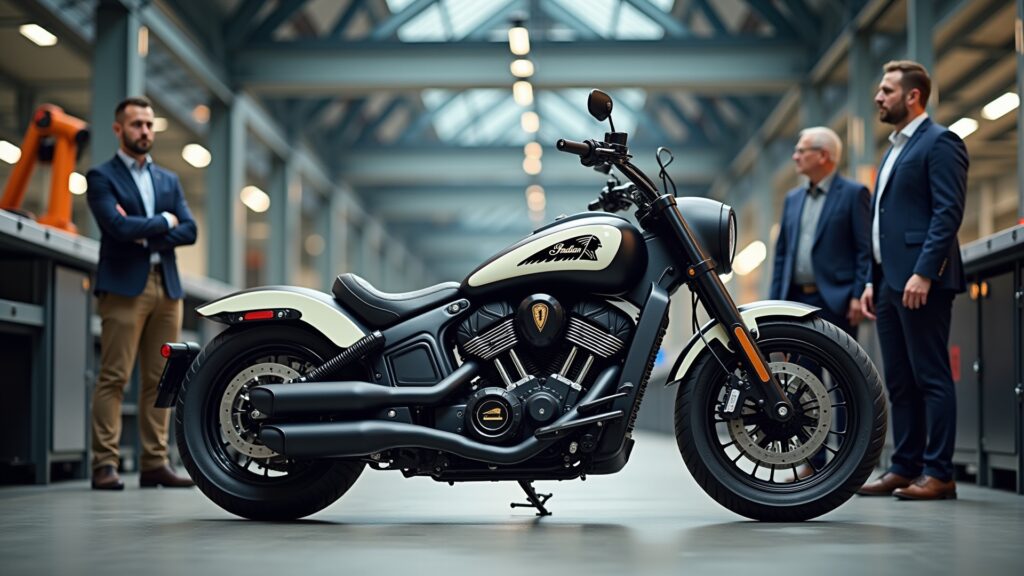
When you consider India’s most expensive bikes, you’re not just looking at luxury or lifestyle choices. These flagship motorcycles serve as a powerful lens into how advanced manufacturing is reshaping India’s industrial landscape and market dynamics. For you, whether at the helm of a manufacturing business, leading a supply chain, or crafting industrial strategy, these high-value motorcycles offer invaluable insights on engineering prowess, localisation imperatives, and competitive positioning.
Why This Matters to You
You might wonder why premium motorcycles should matter when your focus might be broader manufacturing operations or industrial scale-up. The truth is, these bikes represent a microcosm of the challenges and opportunities faced by manufacturers aiming for global competitiveness. They highlight how leveraging cutting-edge technology and localising component production can support resilient supply chains and improve capital efficiency. For investors and operational leaders, tracking such segments gives clues about where value creation in Indian manufacturing is headed.
The Dynamics Behind India’s Most Expensive Bikes
India’s premium motorcycle sector is driven by both domestic demand for exclusivity and global players testing the limits of engineering sophistication within local production frameworks. These bikes are engineering marvels packed with precision-machined parts, advanced electronics, lightweight materials, and intricate assembly processes. Far from mere consumer products, they are showcases of innovation and manufacturing discipline.
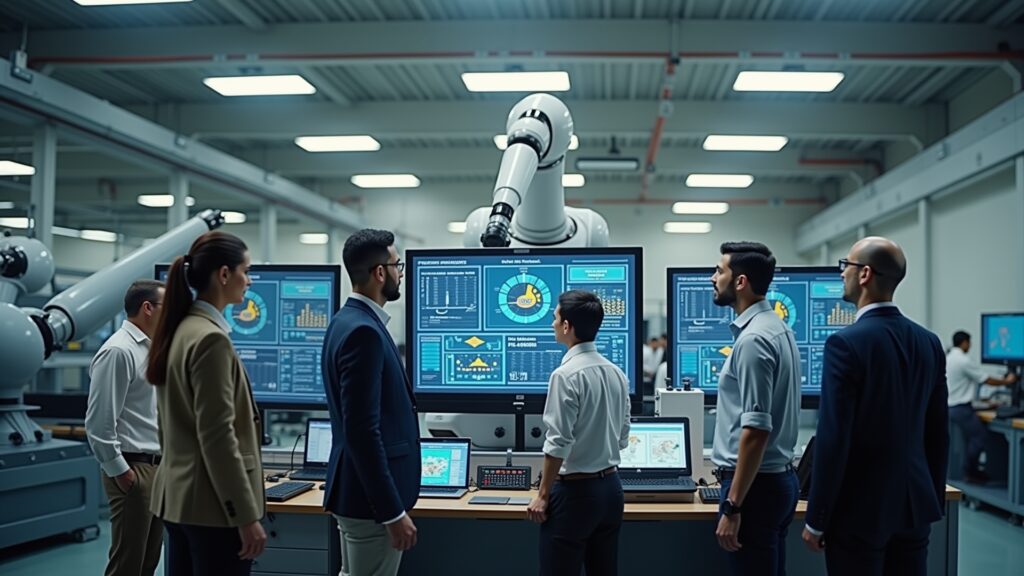
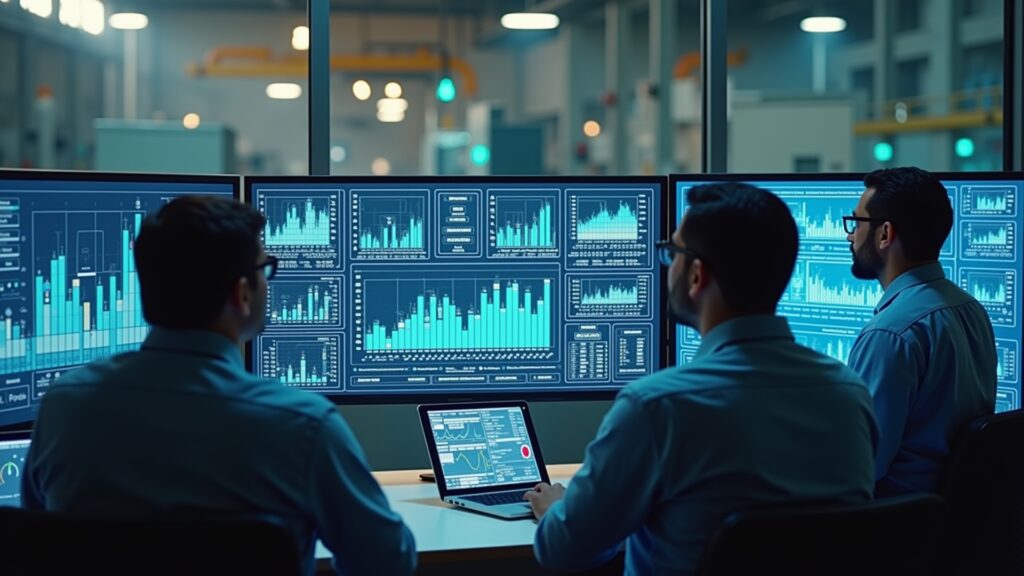
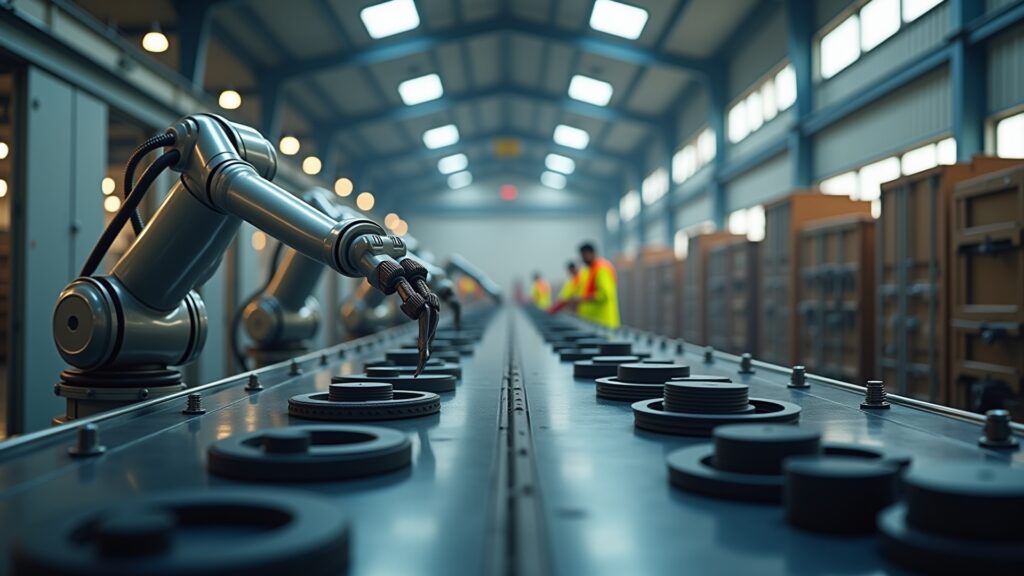
For example, manufacturers are integrating automation and robotics to enhance production quality and repeatability. Sophisticated quality control systems ensure these machines meet stringent international standards while tapping into government policies like the Production Linked Incentive (PLI) scheme to deepen localisation. This push builds supply chain resilience domestically while controlling costs and enhancing export potential.
Strategic Manufacturing and Market Impacts
The emergence of such premium motorcycles reflects a broader industrial trend — moving beyond commoditisation to value-added manufacturing. You, as a manufacturing leader, can identify parallels with your operations: the need to upgrade plant capabilities, embed Industry 4.0 technologies, and build technical skills that support precision and complexity.
Segment-focused growth amplifies brand equity, enabling manufacturers to scale sustainably. The premium motorcycle sector also aligns with India’s ambition to become a global export hub for technologically advanced products. This elevates your opportunities to explore export diversification and grow revenue streams beyond domestic markets.
“In manufacturing, scale matters — but resilience and precision are what create durable advantage.”
“The real edge is not only in producing more, but in producing faster, smarter, and closer to where demand is shifting.”
Practical Takeaways for Manufacturing Leaders
- Understand Localisation as a Strategic Lever: Embrace government incentives like PLI to build higher-value component manufacturing, which strengthens your supply chain and reduces dependency on imports.
- Invest in Advanced Manufacturing Technologies: Automation, robotics, and quality systems are critical in meeting global benchmarks and achieving productivity improvements.
- Focus on Workforce Skill Development: Complex assembly requires skilled operators and engineers—prioritize training and talent acquisition aligned with Industry 4.0 expectations.
- Position for Export Competitiveness: Use premium product development as a pathway to enter and grow in international markets with high entry barriers.
- Balance Capex with Long-Term Vision: Invest strategically in capacity expansion and sustainable practices to build industrial competitiveness that lasts.
Challenges and Caution for Industrial Players
Despite these opportunities, scaling premium manufacturing does come with challenges. The high capital intensity and complexity of integration demand meticulous planning and agile execution. Supply chain resilience depends on trusted local supplier ecosystems, which might require time to mature. You also need to manage costs without compromising quality, plus continually innovate to stay ahead of global competitors.
Policy environments, though increasingly supportive, still require careful navigation to fully leverage incentives and infrastructure. Aligning sustainability practices with premium product strategies remains critical, as ESG considerations grow prominent in global markets.
What You Should Watch Next
Keep a close eye on how manufacturers leverage industrial AI and robotics within premium vehicle production lines, as this will set new benchmarks for efficiency and quality. Monitor shifts in localisation policies and the rollout of new government incentives that could impact supply chain decisions. Additionally, track export patterns and emerging markets receptive to made-in-India high-tech products to inform your market expansion strategies.
“When automation, supply-chain discipline, and execution quality align, manufacturing growth becomes far more sustainable.”
Conclusion: Manufacturing Excellence in High Gear
The story behind India’s most expensive bikes is more than a tale of luxury; it exemplifies a maturing manufacturing ecosystem embracing precision engineering, advanced technology, and strategic localisation. As a leader committed to competitiveness and sustainable growth, you can draw lessons from this segment’s success to elevate your own industrial ambitions. Focusing on high-value, complex manufacturing while aligning with policy and market trends will unlock pathways to export growth, operational excellence, and brand leadership in the global arena.