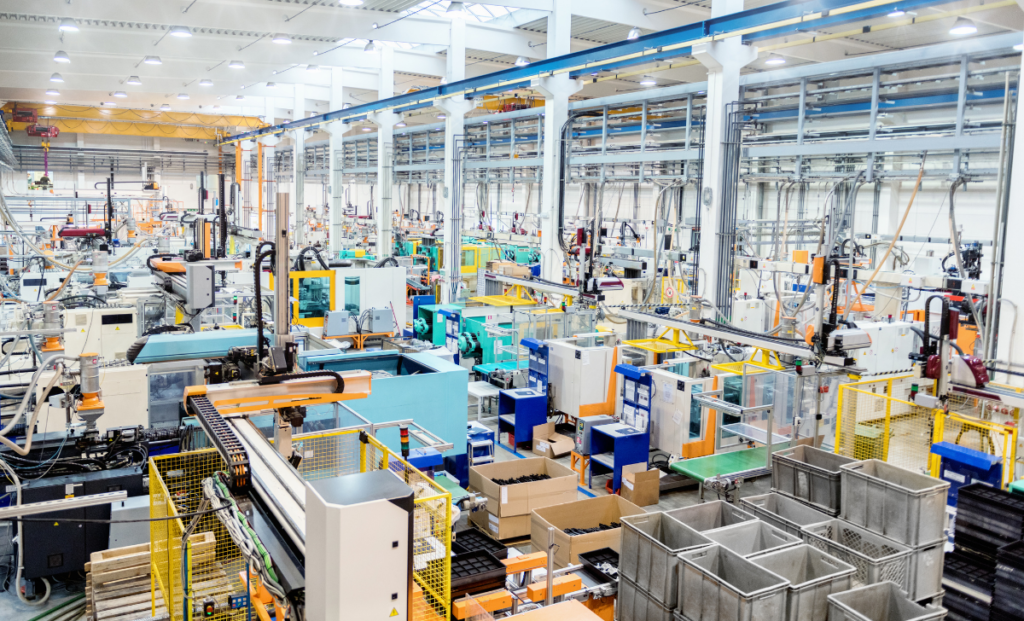
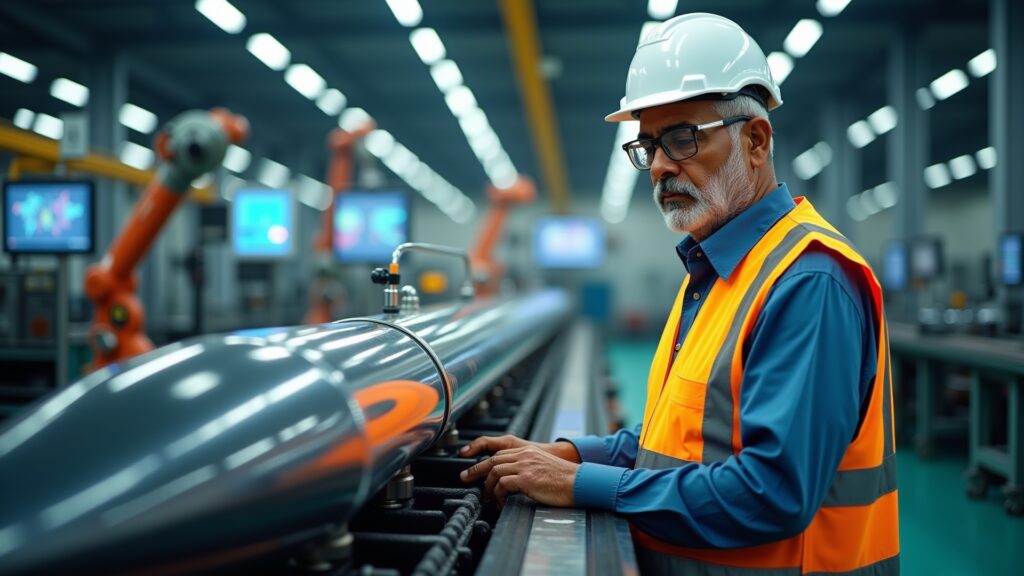
With the rapid advancements in technology, I have observed profound transformations in how we approach smart supply chain and logistics. Implementing innovative solutions not only enhances operational efficiency but also reduces costs and risks associated with traditional manufacturing processes. By leveraging data analytics, automation, and real-time tracking, you can optimize your supply chain to respond more effectively to market demands. In this blog post, I will research into the ways these technologies can propel your manufacturing success and solidify your competitive edge.
Understanding Smart Supply Chains
While traditional supply chains have served their purpose, the emergence of smart supply chains represents a transformative shift in how I manage logistics and manufacturing processes. By leveraging advanced technologies like IoT, AI, and big data, I can create agile, transparent, and efficient supply networks that adapt to market demands and enhance overall performance.
Definition and Importance
At the heart of smart supply chains is the integration of digital technologies that enable real-time tracking and decision-making. This approach not only optimizes operational efficiency but also enhances customer satisfaction by ensuring timely deliveries and reducing lead times, which is vital in today’s competitive landscape.
Key Components
By understanding the key components of smart supply chains, you can effectively harness their benefits. These components typically include data analytics, IoT devices, automation technologies, and advanced forecasting methods, which collectively contribute to streamlining processes and enhancing visibility throughout the supply network.
Plus, focusing on these key components allows you to transform your supply chain into a dynamic ecosystem. Advanced data analytics provide insights that drive decisions, while IoT devices facilitate real-time tracking of inventory and assets. Automation technologies can reduce manual errors and boost productivity, and forecasting methods enable you to anticipate market shifts. Addressing each of these areas can significantly improve efficiency and responsiveness, ultimately leading to greater manufacturing success and a competitive edge in your industry.
The Role of Technology in Supply Chain Management
Even as the manufacturing landscape evolves, technology plays a pivotal role in reshaping supply chain management. Its integration enhances operational efficiency, drives cost reductions, and fosters seamless collaboration between suppliers and manufacturers. In today’s fast-paced environment, leveraging advanced tools equips businesses to navigate challenges and meet customer demands effectively.
Automation and Robotics
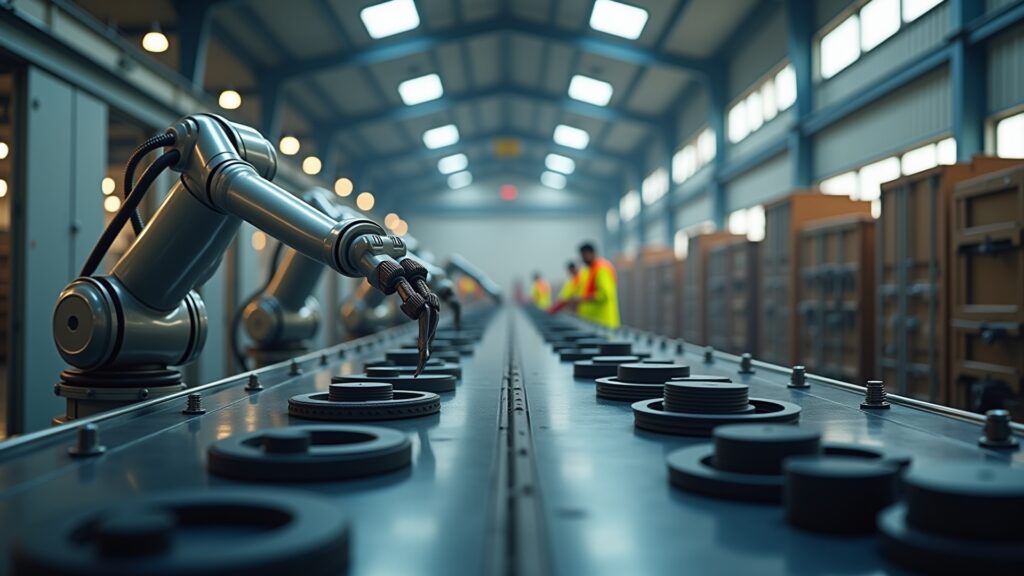
Robotics in supply chain management eliminates repetitive tasks, ensuring that resources are used more effectively. By incorporating automation, I can help minimize errors, speed up production processes, and ultimately increase overall output. This allows your workforce to focus on higher-value tasks that require human insight and creativity.
Data Analytics and AI
Analytics is transforming the way I approach decision-making in supply chain management. With the aid of AI, I can harness vast amounts of data to uncover patterns, forecast demand, and optimize inventory levels. This insight not only enhances efficiency but also improves the accuracy of our strategic planning.
Even with the advancements in data analytics and AI, you must be aware that there are inherent challenges. Embracing these technologies can lead to improved decision-making and operational efficiency, but it also carries risks such as data privacy concerns. To maximize the benefits, it is imperative to invest in robust cybersecurity measures and ensure that your teams are well-versed in the ethical use of data. This approach will empower your organization to thrive in a data-driven landscape while mitigating potential threats.
Enhancing Manufacturing Efficiency
Clearly, enhancing manufacturing efficiency is pivotal for success in today’s competitive landscape. By leveraging innovative technology, I can streamline operations, reduce waste, and significantly boost productivity. The integration of smart systems allows for improved communication and collaboration across all levels of the supply chain, ensuring that resources are utilized effectively and goals are met in an organized manner.
Real-Time Tracking and Visibility
At the heart of a smart supply chain is real-time tracking and visibility. By employing advanced technologies such as IoT and RFID, I can monitor production processes and inventory levels instantly. This transparency helps detect bottlenecks, adapt to changes swiftly, and provide better customer service, ultimately enhancing overall operational efficiency.
Inventory Optimization Techniques
Above all, implementing effective inventory optimization techniques is important for maximizing efficiency in manufacturing. These methods reflect a keen understanding of demand forecasting, just-in-time practices, and data analytics to prevent overstocking and stockouts.
The key to successful inventory optimization lies in a combination of accurate demand planning and advanced data analysis. By using predictive analytics, I can forecast future demands more accurately, which in turn helps in maintaining optimal stock levels. Furthermore, incorporating just-in-time strategies minimizes excess inventory while ensuring that you have the necessary materials on hand when you need them. Failing to optimize your inventory can lead to costly excess stock or missed sales opportunities, both of which detrimental affect your bottom line. By focusing on these techniques, I can cultivate a more responsive and efficient manufacturing environment that drives success.
Strategic Integration of IoT and Cloud Computing
All businesses in the manufacturing sector must explore the strategic integration of IoT and cloud computing to achieve enhanced visibility and efficiency. By leveraging real-time data collection and cloud-based analytics, you can optimize operations and improve decision-making on a large scale. This integration not only streamlines processes but also fosters collaboration across various functions, enabling you to stay ahead in a competitive landscape.
Benefits of IoT in Logistics
Cloud technology provides a backbone for IoT applications in logistics, enhancing asset tracking and inventory management. By connecting devices and sensors, you can obtain real-time insights into your supply chain operations, allowing you to respond promptly to changing demands and reducing operational costs.
Cloud Solutions for Supply Chain Flexibility
Across the ever-changing landscape of supply chain management, cloud solutions offer unparalleled flexibility to adapt to market fluctuations. They enable you to scale resources in real-time, ensuring that you can accommodate seasonal demands or sudden changes in production requirements without disruptions.
Further enhancing supply chain dynamics, cloud solutions facilitate a collaborative environment where multiple stakeholders can access and share data seamlessly. This connectivity empowers you to make informed decisions quickly and effectively, which is necessary for maintaining agility. Additionally, by utilizing cloud infrastructure, you can reduce IT costs while benefiting from enhanced security and compliance features. The ability to provide real-time access to data across your supply chain not only improves visibility but also strengthens relationships with suppliers and customers alike, ultimately driving greater business success.
Challenges in Implementing Smart Supply Chains
Despite the numerous advantages of smart supply chains, organizations face significant challenges in implementation. These hurdles can hinder the transition to more efficient, technology-driven logistics. Issues such as technological integration, data management, and workforce adaptation often arise, creating obstacles that may deter progress in your supply chain journey. Understanding these challenges is crucial for successful implementation.
Technological Barriers
Below are some common technological barriers you might encounter when adopting smart supply chain practices. Outdated legacy systems can obstruct seamless data sharing, potentially leading to inefficiencies and increased operational costs. Insufficient data analytics capabilities may also prevent you from harnessing valuable insights, which are necessary for informed decision-making. Ensuring that your technology infrastructure is up to date is vital for a successful transformation.
Workforce Adaptation and Training
To effectively implement smart supply chains, comprehensive workforce adaptation and training are crucial. It’s important that your employees are equipped with the skills necessary to navigate technological advancements and optimize supply chain processes.
Barriers to effective training can arise from resistance to change among employees, which can negatively impact the adoption of new technologies. Investing in training programs can help you build a workforce that is not only capable but also enthusiastic about embracing innovation. Positive reinforcement and providing hands-on experience with new tools and technologies can ease transitions, ultimately resulting in a more engaged and highly skilled team equipped to tackle the demands of a smart supply chain. Prioritizing training ensures your workforce remains agile and adaptable in a rapidly changing landscape.
Future Trends in Supply Chain and Logistics
For businesses looking to thrive in the modern marketplace, staying ahead of future trends in supply chain and logistics is crucial. I believe that emerging technologies such as artificial intelligence, the Internet of Things, and advanced analytics will redefine how manufacturers operate. By adopting these innovations, you can improve efficiency, reduce costs, and enhance customer satisfaction, paving the way for sustainable growth in an increasingly competitive environment.
Sustainable Practices
About sustainability in supply chain management, you must prioritize eco-friendly practices that align with consumer demands and regulatory requirements. I see a growing trend toward eliminating waste, optimizing resource use, and implementing circular economy principles. By integrating sustainable practices into your supply chain, you not only contribute to environmental conservation but also enhance your brand reputation and meet the expectations of socially conscious consumers.
The Impact of Blockchain Technology
Among the many disruptive technologies influencing supply chain and logistics, blockchain stands out due to its ability to improve transparency and traceability. I find its potential to create secure, immutable records particularly exciting, as it can greatly mitigate the risk of fraud and enhance trust between trading partners. You can leverage blockchain to streamline processes, improve compliance, and ensure that your products meet quality standards from origin to destination.
Another important aspect of blockchain technology in supply chain management is its potential for enhancing security and efficiency. By adopting blockchain, you can enable real-time visibility into your supply chain, which helps identify inefficiencies and promptly address any discrepancies. Moreover, as blockchain data is decentralized and encrypted, it significantly reduces the risks of data breaches, offering a secure framework for collaboration among multiple stakeholders. With these advantages, your organization can build stronger relationships with partners and customers, ultimately leading to better overall outcomes in the manufacturing sector.
Conclusion
To wrap up, I believe that embracing smart supply chain and logistics technology is necessary for achieving manufacturing success in today’s fast-evolving market. By leveraging innovative solutions such as IoT, AI, and advanced analytics, you can enhance efficiency, reduce costs, and improve customer satisfaction. As you consider integrating these technologies into your operations, I urge you to focus on continuous improvement and adaptability, ensuring that your business remains competitive and responsive to emerging trends. Ultimately, your ability to harness technology will determine the strength of your supply chain and your overall success in manufacturing.
FAQ
Q: What is the role of technology in enhancing supply chain efficiency?
A: Technology plays a significant role in improving supply chain efficiency by automating processes, enhancing data accuracy, and enabling real-time tracking. Tools such as IoT devices, AI, and machine learning algorithms help manufacturers gain insights into their operations, allowing them to predict demand, optimize inventory levels, and reduce lead times. Additionally, advanced analytics can identify bottlenecks in the supply chain, enabling proactive problem-solving and ensuring seamless logistics operations.
Q: How can manufacturers integrate smart supply chain solutions into their existing operations?
A: Integrating smart supply chain solutions involves a systematic approach. Initially, manufacturers should assess their current operations to identify areas for improvement. Next, they may invest in software and platforms that facilitate data sharing across departments and with suppliers. Employee training is necessary for ensuring that staff can effectively use new technologies. A gradual implementation, starting with pilot projects, can help in adjusting processes and measuring outcomes before a full-scale rollout.
Q: What benefits do smart supply chains offer to manufacturers in terms of customer satisfaction?
A: Smart supply chains can significantly boost customer satisfaction by enabling faster response times and more accurate fulfillment of orders. With real-time access to inventory data and order statuses, manufacturers can provide customers with timely information and meet delivery expectations more effectively. Additionally, by utilizing data analytics to understand customer preferences, manufacturers can tailor their offerings, further enhancing the customer experience and fostering loyalty.