Global manufacturing markets are evolving at an unprecedented pace, and as a result, exports have become a key focus for many companies aiming to expand their reach. In this post, I’ll examine into how manufacturing leaders are leveraging innovative strategies to tap into new markets while minimizing risks and maximizing opportunities. By understanding current trends and challenges, you can position your business effectively in this dynamic landscape. Let’s explore the mechanisms driving growth in global exports and their impact on your business development.
The Global Manufacturing Landscape
Your understanding of the global manufacturing landscape is key to realizing how interconnected economies have become. As businesses seek to tap into international markets, it’s evident that modern manufacturing is not restricted to regional boundaries. The rise of technology has paved the way for seamless communication and supply chain management, resulting in a complex yet exciting environment where manufacturers can thrive amidst varying regulations and consumer demands.
Key Trends in Global Exports
Below are some key trends shaping global exports. The ongoing digital transformation within the manufacturing sector has altered production capabilities, allowing companies to adapt quickly to shifts in consumer preferences. Additionally, sustainability is emerging as a focal point for manufacturers as they strategize on reducing their environmental impact while maintaining competitiveness in the global market.
Emerging Markets and Opportunities
Emerging markets are presenting exciting opportunities for manufacturers looking to expand. Growing consumer bases in regions like Asia and Africa are demanding increased access to goods, making it necessary for manufacturers to develop localized strategies that can cater to these diverse markets.
Markets in Asia, Africa, and Latin America are experiencing rapid growth and shifting consumer behavior. As a result, many manufacturing leaders are pivoting towards these regions, where rising disposable incomes and urbanization are resulting in increased demand for various products. However, entering these markets comes with challenges such as navigating different regulatory environments and dealing with potential political or economic instability. It’s vital for you to conduct detailed market research to identify the opportunities and risks before making significant investments. By understanding local dynamics, you can strategically position your brand to capture these emerging opportunities while mitigating potential threats.
Strategies for Expanding Exports
Clearly, expanding exports requires a comprehensive strategy that takes into consideration market research, competitive analysis, and the adaptation of products to meet local regulations and preferences. By focusing on building strong relationships with foreign partners and leveraging existing networks, businesses can effectively navigate new markets, ensuring that their products reach a broader audience while driving sustainable growth.
Innovations in Manufacturing Processes
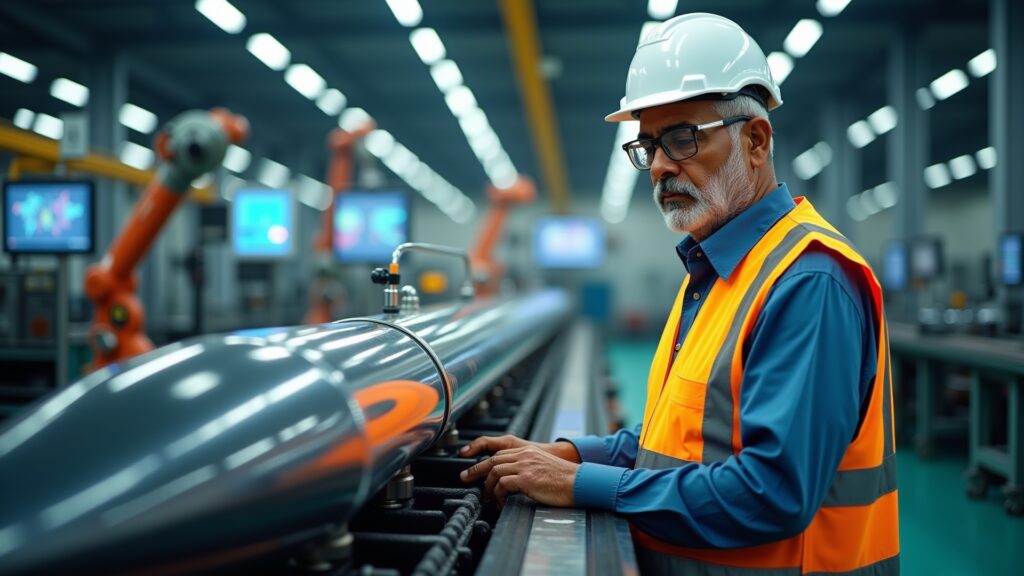
Any organization looking to enhance their export capabilities should prioritize innovations in manufacturing processes. Embracing new techniques not only improves efficiency but also allows for greater customization and responsiveness to international market demands. This adaptability can lead to a competitive edge that fosters long-term relationships with global customers.
Leveraging Technology for Market Reach
Across the globe, leveraging technology plays a vital role in enhancing market reach for exporting manufacturers. By utilizing innovative platforms and tools, businesses can connect with customers more effectively and gather valuable insights to tailor their offerings.
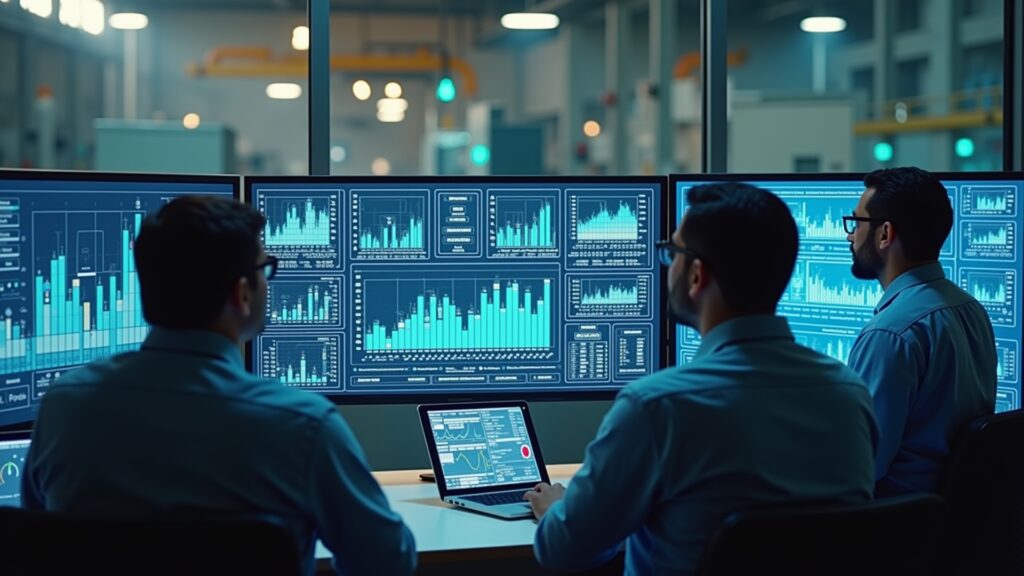
For instance, incorporating data analytics and digital marketing strategies can dramatically enhance your business’s visibility in new markets. You can analyze consumer preferences and behaviors to create targeted campaigns that resonate with distinct audiences. Moreover, employing e-commerce platforms opens new sales channels, allowing you to reach potential customers without the constraints of physical locations. Such advancements not only streamline your operations but also foster greater customer engagement, propelling your exports to new heights.
The Role of Trade Agreements
Even in the dynamic landscape of global manufacturing, trade agreements play a pivotal role in shaping market opportunities for exporters. These agreements can reduce barriers, lower tariffs, and create more predictable trading environments, allowing manufacturing leaders to expand their reach. By understanding and leveraging trade deals, you can position your business strategically to enhance competitiveness and drive growth on the global stage.
Impact on Export Growth
Between the various trade agreements in place, your export growth can significantly benefit from reduced tariffs and improved access to foreign markets. I have seen firsthand how these agreements can facilitate smoother transactions, allowing businesses to tap into new customer bases and increase sales potential.
Navigating Tariffs and Regulations
Below the surface of trade agreements, it is imperative to navigate the complex web of tariffs and regulations that can impact your operations. I often find that understanding the nuances of these legal frameworks is as important as the agreements themselves, as they dictate how your products enter foreign markets and the costs involved.
Due to the intricate nature of international trade, understanding tariffs and regulations is paramount. Failure to comply can lead to significant fines or even loss of market access. Additionally, navigating these regulations requires you to stay informed about changes in trade policies, which can create uncertainty and require agility in your operations. I advise keeping thorough records of all transactions and working closely with customs brokers or trade specialists to ensure compliance and smooth entry into target markets. This proactive approach can mitigate risks and harness the potential of your global expansion efforts.
Challenges in Global Expansion
Not every market is a walk in the park for manufacturing leaders. As I navigate the complexities of global expansion, I encounter various hurdles including regulatory compliance, cultural differences, and access to skilled labor. These challenges require careful strategic planning and localized knowledge to effectively penetrate the diverse landscapes of international markets.
Supply Chain Logistics
Any successful expansion hinges on efficient supply chain logistics. I must ensure that raw materials are sourced and delivered on time, while also managing costs effectively. This often means dealing with multiple suppliers, transportation logistics, and potential disruptions that can affect timelines and profitability.
Political and Economic Risks
Risks associated with political and economic environments can jeopardize your global expansion efforts. Fluctuating exchange rates, tariffs, and changing regulations can all lead to unexpected expenses and operational delays. Understanding these risks is vital to mitigating their impact on your manufacturing ventures.
At the heart of navigating political and economic risks is a keen awareness of global events and their ramifications on my business. For instance, a sudden trade war can increase import tariffs, significantly raising costs overnight. Additionally, political instability in a region may disrupt supply chains, forcing you to reconsider operational strategies. By staying informed and adaptable, I can turn potential risks into opportunities for resilience and growth.
Case Studies of Successful Manufacturers
Despite economic fluctuations, various manufacturers have navigated global markets successfully. They’ve employed innovative strategies to enhance production efficiency and expand their footprint. Here are impactful case studies:
- Toyota: Achieved a 25% increase in global sales by optimizing lean manufacturing practices.
- Apple: Expanded its supply chain across 10 countries, resulting in a 30% reduction in manufacturing costs.
- Siemens: Increased revenue by 15% after investing in smart factory technology in Asia.
Industry Leaders and Their Strategies
By studying industry leaders, I find that they share common strategies, such as leveraging advanced technology, focusing on sustainability, and prioritizing local partnerships. These methods not only increase operational efficiency but also improve global competitiveness.
Lessons Learned from Global Expansion
One crucial insight from global expansion is the need for adaptability. Manufacturers often face unexpected challenges in foreign markets, underscoring the importance of having a flexible strategy.
The experience reveals that cultural differences, regulatory barriers, and fluctuating demand can significantly impact success. For example, I witnessed that ineffective communication with local teams can hinder project timelines. It’s often beneficial to invest in local talent and market research to navigate these complexities. Additionally, establishing robust relationships with suppliers and customers ensures resilience against unforeseen disruptions. Prioritizing agility allows manufacturers to pivot quickly and capitalize on emerging opportunities.
Future Outlook for Global Manufacturing
All signs point to a dynamic future for global manufacturing, driven by technological advancements, shifting consumer demands, and evolving trade policies. As I observe these trends, I see immense potential for growth and innovation. Businesses must think strategically to adapt to these changes and capitalize on emerging opportunities in the global marketplace.
Predictions for Export Growth
Along with technological integration, I anticipate that exports will see significant boosts due to increased demand for sustainable manufacturing practices and smarter supply chains. This shift reflects a growing desire among consumers for products that are responsibly sourced and produced.
The Evolution of Global Manufacturing Markets
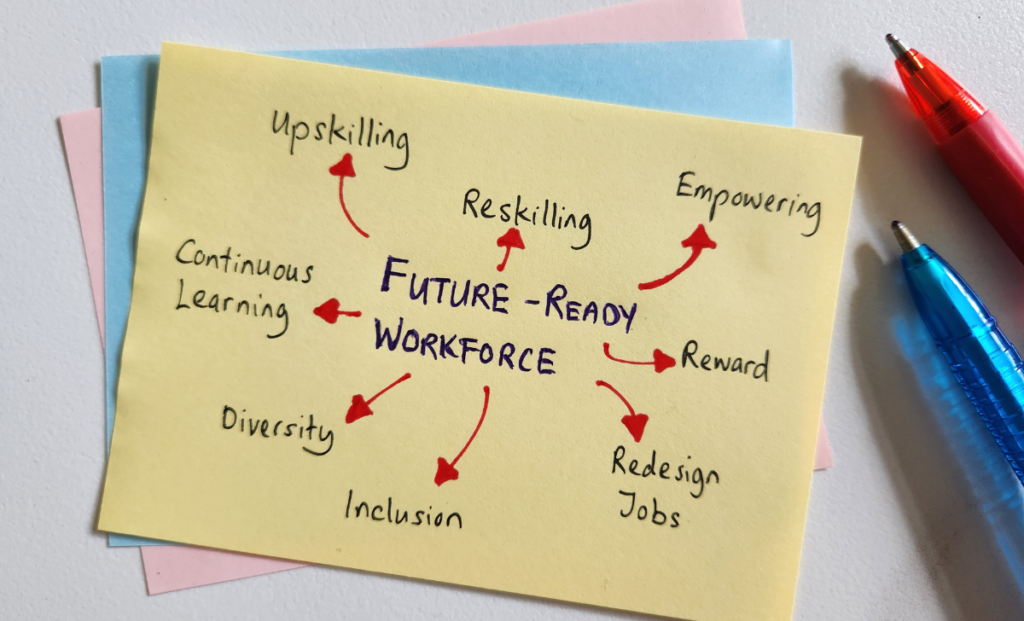
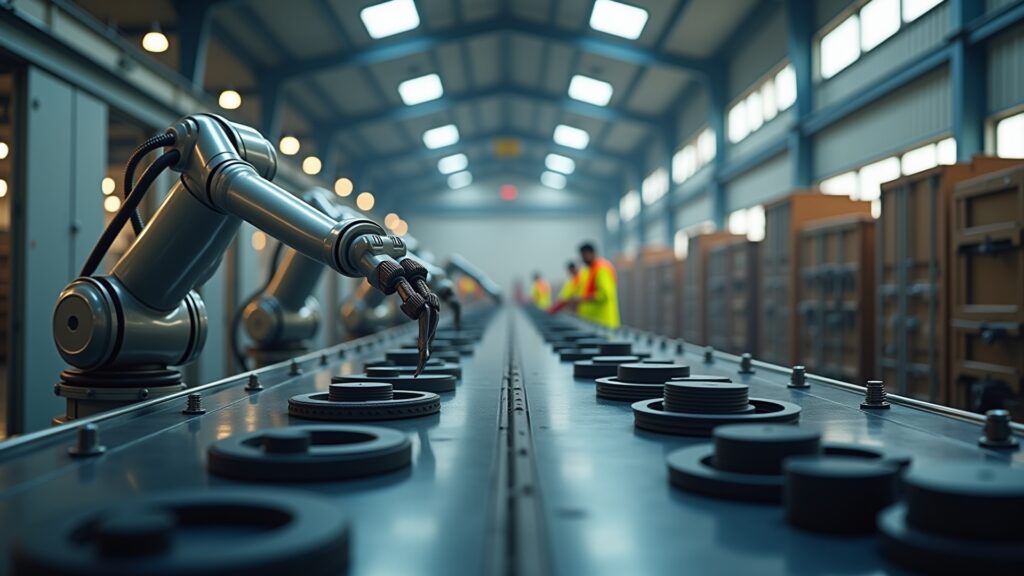
Evolution has become a defining theme in global manufacturing, as markets transform with new technologies and methodologies. I see automation and AI playing pivotal roles, leading to greater efficiency but also a shift in workforce requirements. As the landscape changes, I recognize the significance of adapting to these developments to maintain a competitive edge, reflecting a strong inclination towards sustainability and innovation as the future unfolds.
Predictions indicate that the evolution of global manufacturing markets will be marked by a surge in collaborative production practices and a greater push for environmentally friendly processes. These transformations are an exciting opportunity for firms willing to embrace change. I see increased digitalization making supply chains more transparent, while geopolitical factors will demand flexibility and resiliency. As you navigate through this evolving landscape, staying informed about these dynamics will be paramount for your success in the competitive global market.
Conclusion
Ultimately, understanding how manufacturing leaders are expanding in global markets opens up invaluable insights for your business. By tapping into international demand, leveraging technological advancements, and building strategic partnerships, you can enhance your exports and strengthen your market position. I encourage you to embrace these strategies, explore new opportunities, and adapt to changing global dynamics to ensure your manufacturing operations thrive on a worldwide scale.
Q: How are manufacturing leaders adapting their strategies to enter global markets?
A: Manufacturing leaders are increasingly utilizing market research and analytics to understand the dynamics of each target market. They are engaging in partnerships with local firms to navigate regulatory requirements and cultural nuances. Additionally, investment in advanced technologies, such as automation and artificial intelligence, is allowing these leaders to streamline operations and reduce costs, making it easier to compete globally.
Q: What role does sustainability play in the expansion of manufacturing into global markets?
A: Sustainability has become a significant consideration for manufacturing leaders seeking to expand globally. Companies are implementing eco-friendly practices in production processes and supply chain management to meet the growing demand for sustainable products from consumers and regulatory bodies. This not only enhances brand reputation but also helps in complying with international regulations aimed at reducing environmental impact.
Q: How is technology influencing global manufacturing operations and exports?
A: Technology is profoundly impacting global manufacturing by enabling smarter production processes through the Internet of Things (IoT) and big data analytics. This technology allows for real-time monitoring of production, predictive maintenance, and improved quality control. Furthermore, advancements in digital supply chain management are facilitating more efficient logistics and distribution, enhancing overall export capabilities for manufacturing firms entering international markets.