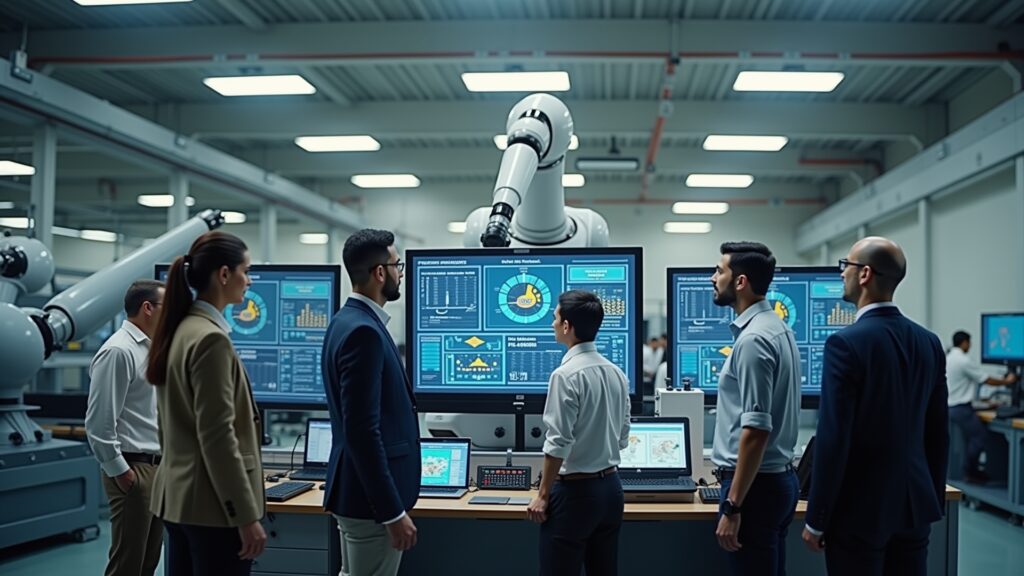
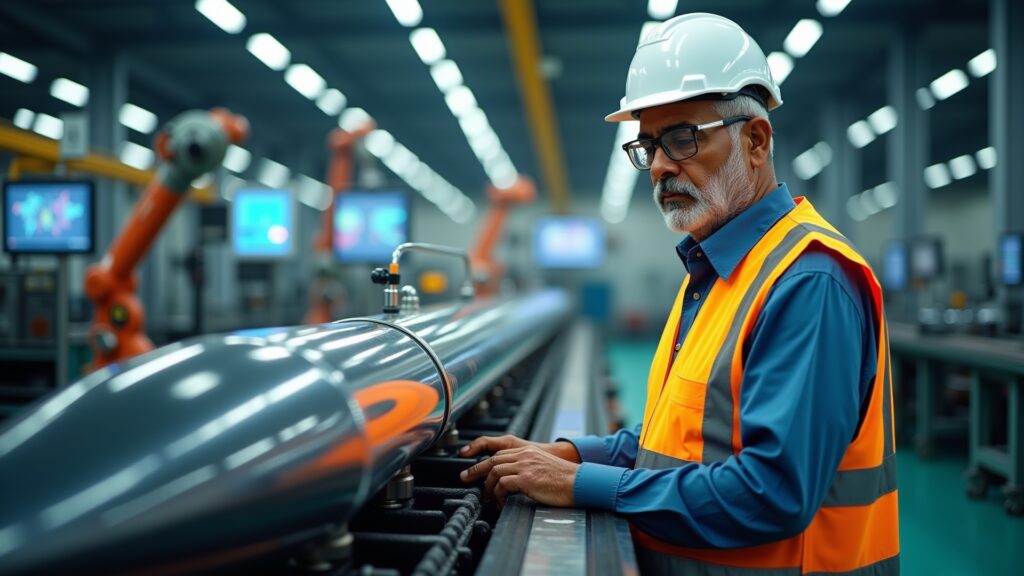
There’s a fascinating landscape emerging as I analyze the future of startups and Micro, Small, and Medium Enterprises (MSMEs) in the manufacturing sector. While challenges such as technological adaptation and supply chain disruptions loom, exciting opportunities also await those willing to innovate and adapt. In this post, I will share insights on how you can navigate this evolving market to capitalize on growth potential, transforming obstacles into stepping stones for success.
The Current Landscape of Startups in Manufacturing
While the manufacturing sector has traditionally been dominated by established players, I see a significant shift as startups increasingly carve out their niche. These emerging companies are not just focusing on production; they are innovating processes and adopting sustainable practices. This fresh wave of entrepreneurship is driven by a diverse set of founders eager to challenge the status quo, providing a fertile ground for creativity and growth.
Key Trends Shaping the Industry
On the horizon, I observe several key trends reshaping the landscape of manufacturing startups. The rise of sustainability practices, the push for automation, and the growing demand for customizable products are steering the focus towards innovative processes. These trends not only enhance efficiency but also meet changing consumer expectations, establishing a new standard within the industry.
Role of Technology and Innovation
Landscape shifts toward technology and innovation are transforming how I perceive manufacturing startups. The integration of advanced technologies, such as artificial intelligence, IoT, and 3D printing, is revolutionizing operations, allowing for improved efficiency and reduced costs. Startups leveraging these innovations can set themselves apart, driving growth and staying ahead in a competitive market.
Even as I explore the role of technology and innovation, it’s crucial to acknowledge their dual impact. While these advancements can streamline operations and lead to substantial cost savings, they also pose risks, including cybersecurity threats and the potential for job displacement. However, the benefits of technology, such as the ability to create more efficient and customized solutions, ultimately push startups toward a brighter, more innovative future in the manufacturing industry.
Challenges Faced by Startups and MSMEs
Clearly, startups and MSMEs in the manufacturing sector encounter a multitude of challenges that hinder growth and sustainability. The dynamic market environment, coupled with increasing competition, requires them to be agile and innovative. Limited resources often restrict their ability to scale, while the constant pressure to adopt new technologies adds further strain. Additionally, navigating a complex landscape of regulations can be overwhelming, leaving many businesses struggling to find their footing. Understanding these challenges is the first step toward devising effective strategies for success.
Access to Finance
Across the landscape of startups and MSMEs, access to finance remains a significant barrier to growth. Despite the numerous funding options available, many small enterprises struggle to secure the necessary capital due to stringent requirements imposed by traditional lenders. This often leads to missed opportunities for expansion and innovation. By seeking alternative funding solutions and building strong financial projections, you can improve your chances of obtaining the investment needed to thrive in the competitive manufacturing sector.
Regulatory Hurdles
Along the path to success, many startups and MSMEs face regulatory hurdles that complicate operations and limit potential growth. The complex web of compliance requirements can be daunting, particularly for new businesses that may lack the necessary expertise. These regulations often vary based on location and industry, making it challenging for you to stay informed. As you navigate these complexities, it’s important to engage with legal experts and industry associations that can help guide you through the regulatory landscape.
To effectively address regulatory hurdles, I recommend prioritizing a thorough understanding of your business’s specific compliance obligations. Investing time to create a strong relationship with regulatory bodies can provide insights that might not be readily available to others. Moreover, leveraging technology to streamline compliance processes can enhance your efficiency. Always be proactive about updating your knowledge of relevant laws and regulations, as non-compliance can lead to severe penalties that may jeopardize your business’s future. Embracing compliance as a core component of your strategy can transform challenges into opportunities for strengthening your reputation and trust with stakeholders.
Opportunities for Growth
One of the most exciting aspects of the manufacturing landscape today is the myriad of opportunities for startups and MSMEs. As technology advances, I see an increasing demand for innovative solutions, which presents an opening for those willing to adapt and embrace change. The focus on sustainability and efficiency also creates avenues for small businesses to thrive by developing eco-friendly practices and products, ultimately shifting consumer preferences towards responsible manufacturing.
Emerging Markets and Niches
Below the surface of traditional markets, I observe a surge in demand for specialized products tailored to unique customer needs. By identifying and targeting these emerging markets, you can carve out a niche that distinguishes your business from competitors. This approach not only enhances your value proposition but also allows for better engagement with a specific audience, positioning your startup or MSME for sustainable growth.
Collaborations and Partnerships
The potential for growth in the manufacturing sector is further amplified through collaborations and partnerships. By connecting with other businesses, you can leverage shared resources, knowledge, and networks to enhance your offerings. I find that collaborations can lead to innovative product development, improved supply chain management, and expanded market access, all while reducing costs and risks associated with solo ventures.
Another advantage of collaborations and partnerships lies in the access to diverse expertise. When I engage with other organizations, I benefit from their unique perspectives and experience that can guide your startup or MSME toward success. Leveraging synergies can accelerate product development timelines and enable access to new technologies that might otherwise be difficult to acquire independently. Furthermore, strategic alliances can open doors to bigger clientele and opportunities in sectors that were previously out of reach, enabling mutual growth and stability in an ever-evolving market landscape.
The Importance of Digital Transformation
All industries, particularly manufacturing, are navigating a paradigm shift with digital transformation. This evolution is not merely an option; it’s a necessity for startups and MSMEs aiming to remain competitive. Through leveraging technology, businesses can enhance operations, improve efficiencies, and gain insights that were previously unattainable. By embracing digitalization, I believe your company can unlock new avenues for growth, streamline processes, and better meet customer demands in an ever-changing marketplace.
Automation and Smart Manufacturing
Automation plays a pivotal role in smart manufacturing by optimizing production processes. It enables you to reduce human error, decrease production time, and lower operational costs. By integrating advanced technologies like IoT and AI, your manufacturing setup can become more adaptive and scalable. This not only improves productivity but also positions your startup or MSME to respond swiftly to market changes and customer needs.
E-commerce and Global Reach
Transformation in e-commerce is redefining how MSMEs access global markets. The digital era allows you to sell your products to a worldwide audience, breaking geographical barriers. Leveraging online platforms not only expands your customer base but also offers valuable data insights contributing to more informed business decisions. Additionally, these platforms enable you to implement targeted marketing strategies tailored to different consumer preferences across various regions.
To thrive in today’s economy, understanding the dynamics of e-commerce and global reach is vital. Digital platforms offer unparalleled access to markets, allowing businesses to discover lucrative opportunities for expansion. This shift also demands that you address important challenges, such as shipping logistics and international regulations. By overcoming these hurdles, you can foster customer trust and build brand loyalty on a global scale, ultimately maximizing your startup or MSME’s sales potential.
Policy Framework and Support Systems
Your success in the manufacturing sector significantly relies on a robust policy framework and supportive systems that cultivate entrepreneurial growth. With effective regulation and infrastructure, startups and MSMEs can thrive, enabling innovation and sustainable development. Collaborative efforts between the government and private sectors pave the way for increased investment and access to resources, shaping a favorable environment for the future of manufacturing.
Government Initiatives
To bolster the manufacturing landscape, various government initiatives have been introduced, including tax incentives, subsidies, and grant programs targeted at startups and MSMEs. These initiatives aim to reduce barriers and enhance market accessibility, empowering entrepreneurs to innovate and compete on a global scale.
Role of Incubators and Accelerators
After analyzing the landscape of support systems, I find that incubators and accelerators play a pivotal role in nurturing startups and MSMEs in manufacturing. These entities provide mentorship, resources, and a collaborative environment, equipping entrepreneurs with the necessary tools to navigate challenges effectively.
This environment allows budding entrepreneurs to focus on innovation and development while minimizing risk. With access to expert guidance, startups can refine their business models, enhance their technologies, and secure funding opportunities. Furthermore, the networking opportunities available through these programs can lead to strategic partnerships, which may open doors to new markets. In a rapidly evolving manufacturing sector, the presence of well-structured incubators and accelerators remains an indispensable asset in fostering growth and resilience among startups and MSMEs.
Case Studies of Successful Startups
After researching numerous startups that have made significant impacts in the manufacturing sector, I found several remarkable examples showcasing resilience and innovation. Here are some compelling case studies:
- XYZ Innovations: Grew revenue by 150% in three years by adopting smart manufacturing technologies.
- ABC Robotics: Increased productivity by 35% through automation and robotics integration in their production lines.
- GreenTech Solutions: Secured $5 million in funding, focusing on sustainable materials and eco-friendly practices.
- Fabrication Hub: Expanded operational capacity by 200% by utilizing 3D printing technology.
Innovations in Manufacturing
Case studies highlight how startups are leveraging modern technologies such as IoT, AI, and 3D printing to revolutionize the manufacturing landscape. These innovations not only increase efficiency but also enable better resource management and reduce costs, setting a new standard for the industry.
Lessons Learned from Failures
To gain insights into the startup journey, I observed that failures often present powerful lessons. Many entrepreneurs faced hurdles that taught them about market gaps, customer needs, and the importance of adaptability.
Consequently, by analyzing outcomes from unsuccessful ventures, I discovered that underestimating market research or leading with a flawed product can inhibit growth. Startups that routinely assess their target audience and pivot when necessary generally recover more quickly and thrive. Emphasizing agility and learning from setbacks cultivates resilience, positioning your venture to seize future opportunities.
Final Words
With these considerations, I believe the future of startups and MSMEs in the manufacturing sector holds both challenges and opportunities that we must navigate wisely. As you explore innovative solutions and leverage technology, you’ll find pathways to growth that can redefine your business landscape. While facing obstacles like resource constraints and competition, your resilience and adaptability will be key. Embrace collaboration and invest in skill development to harness these prospects effectively. Ultimately, by staying informed and proactive, you can position your venture for long-term success in this dynamic field.
Q: What are the primary challenges faced by startups and MSMEs in the manufacturing sector?
A: Startups and MSMEs in manufacturing face several key challenges. First, access to funding can be limited, making it difficult to invest in advanced technologies and equipment. Second, regulatory compliance can be a hurdle, as navigating the landscape of industry-specific regulations can be complex and time-consuming. Additionally, only limited access to skilled labor hampers growth, as the manufacturing sector often requires specialized knowledge and expertise. Finally, competition from larger, established firms poses a challenge, as they can leverage economies of scale to offer lower prices.
Q: What opportunities exist for startups and MSMEs in the manufacturing industry?
A: There are numerous opportunities for growth in manufacturing for startups and MSMEs. Technological advancements, such as automation and IoT (Internet of Things), enable these businesses to streamline operations, improve efficiency, and reduce costs. Eco-friendly manufacturing practices also present a significant opportunity, as consumer demand for sustainable products continues to rise. Additionally, startups have the potential to cater to niche markets that larger companies may overlook, allowing them to build strong brand loyalty with targeted consumer segments.
Q: How can startups and MSMEs foster innovation to thrive in the manufacturing sector?
A: To foster innovation, startups and MSMEs should embrace a culture of experimentation and adaptability. Collaborating with educational institutions and research organizations can provide access to new ideas and technologies. Implementing agile methodologies allows businesses to respond quickly to market changes and customer feedback. Moreover, investing in training and development of employees can enhance their skills and inspire innovative solutions. Lastly, leveraging digital tools and platforms for research and development can help these companies stay ahead of trends and continuously improve their offerings.